
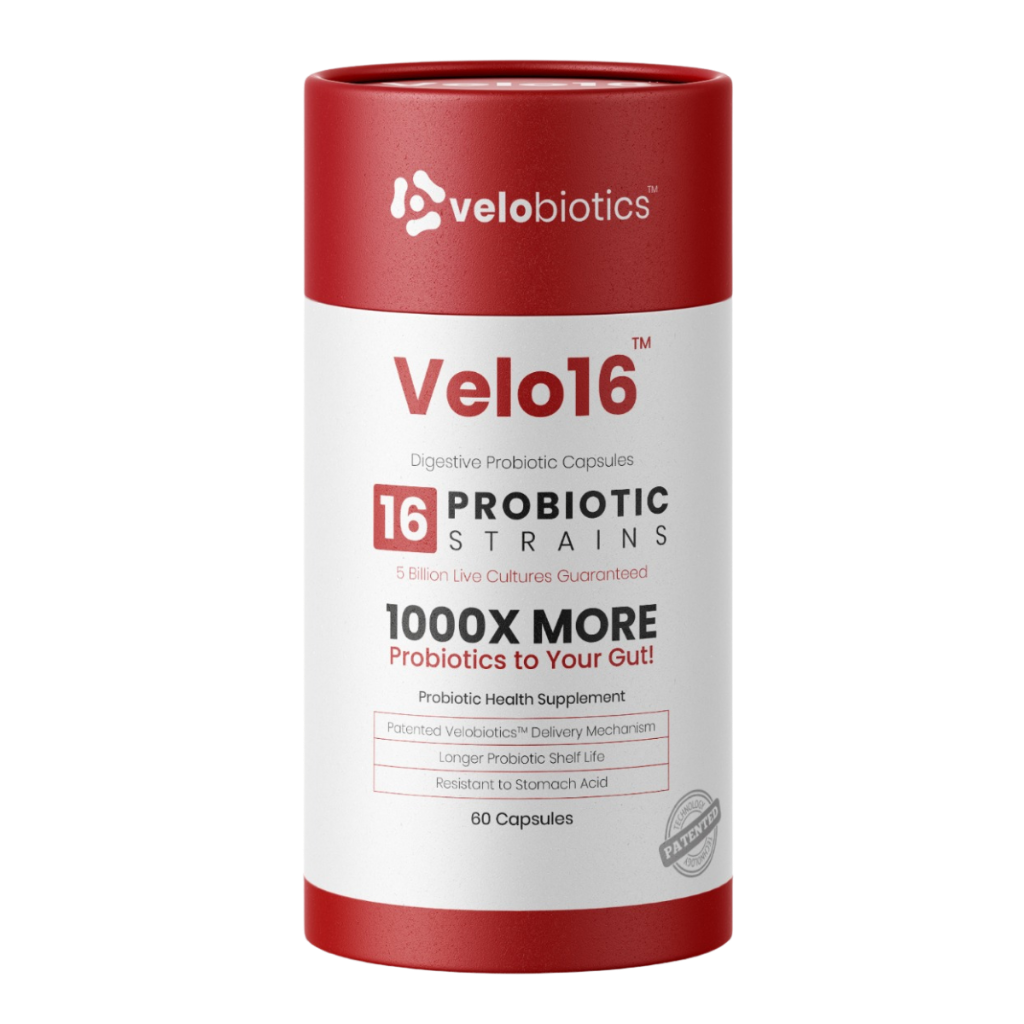
How Your Gut Microbiome Ages — And What You Can Do to Slow It Down
By Dr. Chomba Chuma, MD | Velo16™ Health Journal
There is a quiet transformation happening inside every one of us — one that begins long before we notice grey hairs or stiff joints. Deep within your digestive tract, trillions of bacteria, fungi, and viruses that make up your gut microbiome are gradually shifting in composition and diversity. This shift, which accelerates after the age of 50, has profound consequences for your immune system, your energy, your mental clarity, and even how long you live.
As a functional medicine physician focused on gut health, I have spent years examining the intersection of microbial science and healthy ageing. What the research tells us is both sobering and empowering: microbiome ageing is real, measurable, and — to a meaningful degree — modifiable. Understanding this process is the first step toward doing something about it.
In this article, I will walk you through what happens to your gut as you age, why it matters for your overall health, and the evidence-based probiotic protocol we have built into the Velo16™ Healthy Ageing Collection to help you maintain vitality well into your 60s, 70s, and beyond.
---1. What Is the Gut Microbiome — And Why Does It Change With Age?
Your gut microbiome is not simply a collection of passive passengers. It is an active, living ecosystem of approximately 38 trillion microorganisms — roughly equal in number to the cells in your entire body. These microbes produce vitamins, regulate immune responses, manufacture neurotransmitters, break down dietary fibre into short-chain fatty acids, and protect the gut lining from harmful pathogens.
In a healthy young adult, this ecosystem is characterised by microbial diversity — a rich variety of species working in concert. Diversity is not merely desirable; it is functionally essential. A more diverse microbiome is more resilient, more adaptable, and better equipped to maintain what scientists call eubiosis — a balanced microbial state associated with good health.
But ageing disrupts this balance. According to a landmark study published in Nature Microbiology, the gut microbiome undergoes significant compositional changes from midlife onwards, with a measurable decline in diversity and a shift away from beneficial species. These changes are not random — they are driven by a constellation of biological, dietary, and lifestyle factors that compound over time.
The Key Drivers of Microbiome Ageing
- Reduced stomach acid production: Hypochlorhydria, common in older adults, impairs the breakdown of food and alters the microbial environment of the upper gut.
- Slower gut motility: Transit time increases with age, allowing pathogenic bacteria more time to proliferate.
- Dietary changes: Older adults often consume less dietary fibre — the primary fuel source for beneficial bacteria.
- Medication burden: Polypharmacy, especially long-term use of antibiotics, proton pump inhibitors, and NSAIDs, significantly disrupts microbial communities.
- Immune system remodelling: As the immune system ages (a process called immunosenescence), its ability to regulate microbial populations diminishes.
- Reduced physical activity: Exercise has a well-documented positive effect on microbiome diversity; sedentary behaviour has the opposite effect.
Together, these factors create what researchers describe as an "ageing microbiome signature" — a predictable pattern of microbial decline that can be detected in population studies across different countries and cultures, including here in South Africa.
---2. The Science of Inflammaging: How Your Gut Drives Chronic Inflammation
One of the most important consequences of microbiome ageing is a phenomenon called inflammaging — a term coined by Italian biogerontologist Claudio Franceschi to describe the low-grade, chronic inflammatory state that characterises biological ageing. Inflammaging is not the same as acute inflammation, which is a healthy immune response to injury or infection. Instead, it is a persistent, smouldering fire in the body that contributes to virtually every major age-related disease.
"Inflammaging is characterised by an elevated inflammatory status in the elderly and is strongly associated with the development of multiple diseases of ageing, from cardiovascular disease to neurodegeneration."
— Franceschi et al., Nature Reviews Immunology
The gut microbiome sits at the centre of this process. Here is why: as microbial diversity declines, the populations of keystone species — bacteria like Faecalibacterium prausnitzii, Akkermansia muciniphila, and various Lactobacillus and Bifidobacterium strains — fall dramatically. These species are responsible for producing short-chain fatty acids (SCFAs) such as butyrate, propionate, and acetate, which serve as primary fuel for colonocytes (gut lining cells) and possess potent anti-inflammatory properties.
Leaky Gut: The Gateway to Systemic Inflammation
When SCFA production drops, the integrity of the intestinal epithelial barrier begins to deteriorate. Tight junction proteins that normally seal the gaps between gut lining cells loosen, allowing bacterial fragments — particularly lipopolysaccharides (LPS) from gram-negative bacteria — to leak into the bloodstream. This condition, commonly referred to as leaky gut or increased intestinal permeability, triggers a systemic immune response that contributes directly to inflammaging.
A comprehensive review in the Journal of Clinical Gastroenterology confirmed that increased intestinal permeability is significantly more prevalent in older adults and correlates with higher circulating levels of inflammatory markers including CRP, IL-6, and TNF-alpha — the same biomarkers associated with cardiovascular disease, type 2 diabetes, Alzheimer's disease, and sarcopenia.
Immune Decline and the Microbiome Connection
Your gut is home to approximately 70% of your immune system. The gut-associated lymphoid tissue (GALT) is in constant communication with your microbial community, calibrating immune responses and training immune cells to distinguish friend from foe. As the microbiome ages and diversifies downward, this immune calibration becomes impaired.
The result? Older adults experience both a weakened adaptive immune response — leaving them more vulnerable to infections and less responsive to vaccines — and a hyperactivated innate immune system driving chronic inflammation. This immune paradox is one of the defining features of biological ageing, and the gut microbiome is its primary orchestrator.
For South Africans over 50, this has very real implications. The World Health Organization projects that by 2050, the number of people aged 60 or older in Africa will triple — making senior immune support not just a personal health priority, but a public health imperative.
--- [INFOGRAPHIC_PLACEHOLDER: "The Ageing Gut Timeline — How Microbial Diversity Declines from Age 40 to 80, and Its Impact on Immunity, Inflammation, and Vitality"] ---3. What the Research Says About Probiotics for Seniors
The good news — and there is substantial good news — is that the gut microbiome retains a remarkable degree of plasticity throughout life. Unlike genetic ageing processes that are largely fixed, microbiome ageing can be meaningfully influenced by targeted interventions. Of these, probiotic supplementation has the strongest and most rapidly growing evidence base.
A 2021 meta-analysis published on PubMed/NCBI examining 17 randomised controlled trials found that probiotic supplementation in adults over 60 was associated with statistically significant improvements in immune markers, reduced incidence of upper respiratory tract infections, improved gut transit time, and enhanced quality of life scores. The key finding: not all probiotics are equal, and strain specificity matters enormously when it comes to ageing gut health.
The Strains That Matter Most After 50
When it comes to probiotics for seniors, the research consistently highlights several species and strains as particularly beneficial:
- Bifidobacterium longum: One of the most studied strains for healthy ageing. Bifidobacterium populations decline sharply with age — sometimes by as much as 90% between young adulthood and old age. Supplementation has been shown to improve bowel regularity, reduce inflammatory markers, and support cognitive function via the gut-brain axis.
- Lactobacillus rhamnosus GG: Among the most clinically researched probiotic strains globally. Evidence supports its role in reducing antibiotic-associated diarrhoea, supporting mucosal immunity, and improving gut barrier integrity in older populations.
- Lactobacillus acidophilus: A cornerstone strain for gut health over 60, associated with improved lactose digestion, reduced intestinal inflammation, and enhanced production of bacteriocins that inhibit pathogenic bacteria.
- Bifidobacterium animalis subsp. lactis (BB-12): Clinically proven to improve intestinal transit time and stool consistency in elderly subjects, and to modulate immune cell activity including natural killer cell function.
- Lactobacillus plantarum: Known for its robust survival through the gastrointestinal tract and its ability to support the gut mucosal barrier — particularly important given the increased intestinal permeability associated with ageing.
Synbiotics: Combining Probiotics With Prebiotics
The efficacy of probiotics is significantly enhanced when paired with prebiotics — dietary fibres that selectively feed beneficial bacterial species. This combination, called a synbiotic, creates a more favourable gut environment for probiotic strains to colonise and thrive. Ingredients such as inulin, fructooligosaccharides (FOS), and galactooligosaccharides (GOS) have been shown in clinical trials to amplify the immune and anti-inflammatory benefits of probiotic supplementation in older adults.
At Velo16™, this synbiotic principle is foundational to our formulation philosophy. You can explore more about our approach on The Velo16™ Science page.
---4. The Velo16™ Senior Vitality Protocol: A Targeted Approach to Healthy Ageing
Designing an effective probiotic protocol for probiotics healthy ageing South Africa requires more than simply selecting popular strains. It demands an understanding of the specific microbial shifts that occur in the ageing gut, the immune pathways most compromised by those shifts, and the clinical evidence supporting targeted intervention at each level.
The Velo16™ Senior Vitality formulation was developed with precisely this framework in mind. Here is what sets it apart:
High-Potency, Multi-Strain Formulation
Rather than a single-strain supplement, Velo16™ Probiotics Senior Vitality delivers a carefully selected consortium of clinically validated strains — including Bifidobacterium longum, Lactobacillus rhamnosus, Lactobacillus acidophilus, and Bifidobacterium animalis lactis — at a combined potency of 25 billion CFU per serving. This dosage falls within the therapeutic range consistently used in clinical trials demonstrating immune and anti-inflammatory benefits.
Acid-Resistant Delivery Technology
One of the most common failures of probiotic supplements is the destruction of live organisms by stomach acid before they reach the colon — the site where they exert their greatest effect. Velo16™ Senior Vitality uses advanced delayed-release capsule technology to ensure that a therapeutically meaningful number of viable organisms survive transit through the stomach and are delivered intact to the lower intestinal tract.
Targeted Prebiotic Support
Each serving includes a prebiotic complex featuring inulin derived from chicory root and FOS, providing the selective nutritional substrate that allows the probiotic strains to establish and proliferate within the gut environment — not merely pass through it.
Complementary Nutrients for Ageing Immunity
Recognising that gut health does not operate in isolation, the Senior Vitality formulation includes targeted co-factors that support the broader immune and metabolic context of ageing:
- Vitamin D3: Severe deficiency of vitamin D is highly prevalent in older South Africans despite our sunny climate, due to reduced skin synthesis efficiency and dietary inadequacy. Vitamin D3 plays a direct role in modulating intestinal immune responses and supporting tight junction integrity.
- Zinc: A critical cofactor for immune cell development and function, zinc deficiency is among the most common micronutrient deficiencies in adults over 65 and directly impairs both innate and adaptive immunity.
- Postbiotics (Lactobacillus fermentate): Bioactive compounds produced during fermentation that provide immune-modulating benefits independent of live organism colonisation — particularly valuable for individuals with significantly compromised gut environments.
The complete product details and ingredient transparency are available in our Velo16™ Healthy Ageing Collection.
---5. Lifestyle Strategies That Amplify Probiotic Benefits
Probiotic supplementation is a powerful tool, but it works best as part of a broader lifestyle strategy. As I advise my patients in Johannesburg, probiotics for seniors are most effective when supported by consistent dietary and behavioural habits that create a gut environment hospitable to microbial diversity.
The Ageing Gut Diet
The single most impactful dietary change for gut health over 60 is increasing dietary fibre diversity. Research from Harvard Health Publishing confirms that consuming a wider variety of plant foods — aiming for 30 or more different plant species per week — is strongly associated with greater microbial diversity.
- Prioritise fermented foods: plain yoghurt, kefir, sauerkraut, and kimchi provide natural probiotic exposure alongside prebiotic fibres.
- Increase legume consumption: lentils, chickpeas, and beans are among the richest sources of prebiotic fibres and are highly accessible in South African diets.
- Reduce ultra-processed food intake: emulsifiers and artificial sweeteners commonly found in processed foods have been shown to directly disrupt microbial communities and increase intestinal permeability.
- Prioritise polyphenol-rich foods: berries, green tea, dark chocolate, and extra virgin olive oil feed beneficial bacterial species and possess direct anti-inflammatory properties.
Exercise and the Microbiome
The relationship between physical activity and microbial diversity is bidirectional and robust. Moderate-intensity aerobic exercise — at least 150 minutes per week as recommended by the WHO — has been shown to increase the abundance of butyrate-producing bacteria, improve gut motility, and reduce inflammatory markers. Even among older adults who are not highly athletic, consistent walking significantly benefits the gut microbiome.
Stress Management and Sleep
Chronic psychological stress activates the hypothalamic-pituitary-adrenal (HPA) axis, releasing cortisol that directly alters gut permeability and microbial composition. Similarly, poor sleep — increasingly common with age — is associated with disrupted circadian rhythms in the gut microbiome that impair immune regulation. Mindfulness practices, adequate sleep hygiene, and stress reduction techniques are therefore not merely psychological interventions — they are legitimate strategies for maintaining ageing gut health.
For a personalised starting point, browse all our targeted formulations at Shop All Velo16™ Products, and explore the full range of our health resources at the Velo16™ Health Journal.
Note: If skin health is also a concern — and gut-skin connections are very real — consider taking our Take the Clear Skin Quiz to identify whether your microbiome may be contributing to skin issues alongside systemic ageing.
---Frequently Asked Questions
At what age should I start taking probiotics for healthy ageing?
While it is never too early to support your microbiome, the evidence for targeted probiotic supplementation becomes particularly compelling from around age 40 onwards — when microbial diversity begins its most measurable decline. Adults over 50 are the primary beneficiaries of senior-specific probiotic formulations like Velo16™ Senior Vitality, though anyone experiencing gut-related symptoms, immune challenges, or high antibiotic use at any age may benefit from targeted probiotic support.
How long does it take for probiotics to make a difference in older adults?
Clinical trials generally demonstrate measurable changes in immune markers and gut function within 4 to 8 weeks of consistent daily supplementation. Some individuals notice improvements in digestive comfort and energy within the first two weeks. For more systemic benefits — such as reductions in inflammatory markers — a minimum of 12 weeks of consistent use at therapeutic doses is typically required. Consistency is key: the benefits of probiotics diminish when supplementation is stopped.
Are there any side effects of probiotics for seniors?
Probiotics have an excellent safety profile in generally healthy older adults. Some individuals experience mild, transient bloating or changes in bowel habits during the first week of supplementation as the gut microbiome adjusts. These effects typically resolve within 7 to 10 days. Individuals who are severely immunocompromised, have central venous catheters, or are critically ill should consult a physician before starting any probiotic supplement. Always disclose probiotic use to your healthcare provider, particularly if you are on chronic medication.
Can probiotics help with specific age-related conditions like arthritis or cognitive decline?
Emerging research is genuinely exciting in this area. The gut-brain axis — the bidirectional communication network between the microbiome and the central nervous system — is increasingly implicated in cognitive health and neurodegenerative conditions. Similarly, the gut-joint axis is an active area of research, with several studies showing correlations between microbial dysbiosis and inflammatory joint conditions. While it would be premature to claim that probiotics treat arthritis or dementia, maintaining a healthy, diverse microbiome is increasingly understood as a foundational strategy for reducing the inflammatory burden that drives these conditions.
Is the Velo16™ Senior Vitality product suitable for vegetarians and people with dietary restrictions?
Yes. Velo16™ Senior Vitality is formulated in vegetarian-friendly delayed-release capsules and contains no gluten, artificial colours, or common allergens. Full ingredient and allergen information is available on the product page. As with all supplements, we recommend consulting with your healthcare provider if you have specific medical conditions or are managing multiple medications.
Ready to Support Your Gut Health After 50?
Your microbiome does not have to age the way conventional wisdom assumes. With the right probiotic protocol, dietary support, and lifestyle habits, maintaining microbial diversity and immune vitality well into your senior years is an achievable, evidence-based goal.
The Velo16™ Healthy Ageing Collection was developed specifically for this purpose — combining clinically validated probiotic strains, targeted prebiotics, and synergistic immune-supporting nutrients in a formulation designed for the unique needs of the ageing gut.
Take the first step toward a more resilient, vital second half of life. Shop All Velo16™ Products today, or learn more about the science behind our formulations at The Velo16™ Science.
Because ageing well begins in the gut — and it begins now.