
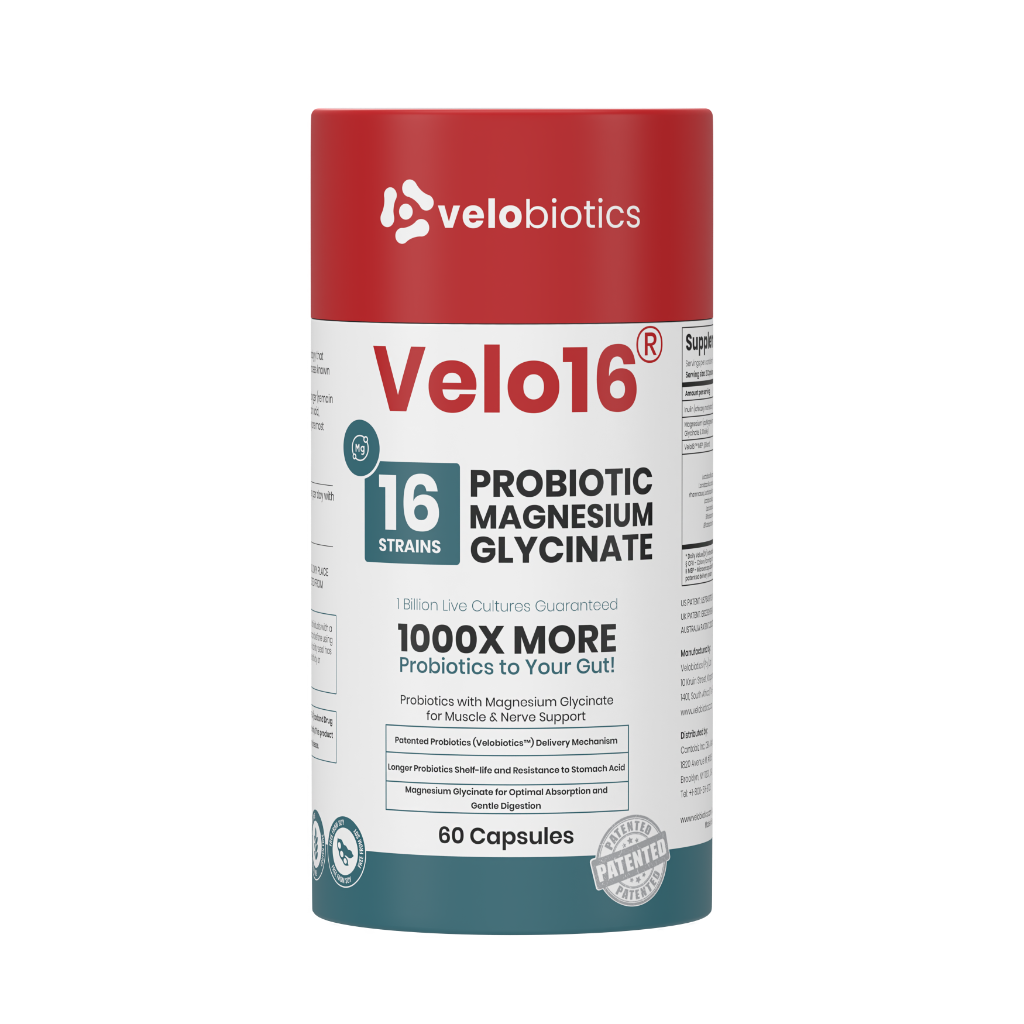
Magnesium and Your Gut: The Mineral Most South Africans Are Deficient In
By Dr. Chomba Chuma, MD | Velo16™ Health Journal
If you are waking up tired despite a full night's sleep, feeling anxious without obvious cause, or dealing with persistent digestive discomfort, there is a good chance your body is quietly running low on one of its most essential minerals. Magnesium deficiency is not a fringe wellness concept — it is a clinically recognised, increasingly widespread problem that affects an estimated 60–80% of adults in industrialised nations, and the data coming out of sub-Saharan Africa, including South Africa, suggests our population is no exception.
What makes this particularly frustrating is that magnesium is not a rare or exotic nutrient. It is found in leafy greens, nuts, seeds, legumes, and whole grains — foods that, on paper, many South Africans eat regularly. So why are so many of us depleted? The answer lies not just in what we eat, but in how well our guts can absorb what we consume. And that brings us to a critically underappreciated connection: the relationship between your gut microbiome, magnesium absorption, and your ability to sleep deeply and manage stress effectively.
In this article, I am going to walk you through the science of magnesium deficiency in the South African context, explain how gut dysbiosis silently sabotages mineral absorption, and make the evidence-based case for why pairing magnesium glycinate with a high-quality probiotic is the most intelligent supplementation strategy available to you right now. Explore the The Velo16™ Science behind the formulations we have built around this principle.
Why Magnesium Deficiency Is Rampant in South Africa
The Soil Depletion Problem
South Africa's agricultural soils have undergone significant mineral depletion over the past five decades. Intensive mono-cropping, reliance on nitrogen-phosphorus-potassium (NPK) fertilisers, and reduced organic matter in farming regions have led to measurably lower micronutrient concentrations in commercially grown produce. A 2004 report comparing nutritional data from the 1930s to modern measurements found that magnesium content in vegetables had dropped by as much as 24% in some categories — and this trend has continued. When the soil is depleted, the plant is depleted, and consequently, so are you.
"Magnesium deficiency is now considered a public health crisis, with subclinical deficiency going largely undetected because standard serum magnesium tests measure only 1% of the body's total magnesium — most of which is stored in bone and soft tissue." — DiNicolantonio et al., Open Heart, 2018
The Modern South African Diet
South Africa is undergoing a rapid nutritional transition. Urbanisation has shifted eating patterns away from traditional, whole-food diets rich in legumes, sorghum, and dark leafy vegetables toward processed, refined carbohydrates and ultra-processed convenience foods. White bread, white rice, sugary beverages, and fast food have displaced the magnesium-rich foods that formed the foundation of indigenous diets for generations.
Processed food manufacturing strips grains of their germ and bran — the very parts that contain the highest concentrations of magnesium. When you eat refined white flour instead of whole wheat, you lose approximately 80% of its magnesium content. Multiply this across three meals a day for years, and you have a recipe for chronic subclinical deficiency that never shows up on a standard blood panel but manifests in how you feel every single day.
Lifestyle Factors That Drain Magnesium Faster
Even if you are eating relatively well, several common lifestyle factors dramatically accelerate magnesium losses:
- Chronic stress: The stress hormone cortisol actively promotes urinary magnesium excretion. The more stressed you are, the faster you deplete your reserves — creating a vicious cycle where low magnesium worsens your stress response.
- Alcohol consumption: Regular alcohol intake increases renal magnesium wasting and reduces gastrointestinal absorption.
- Proton pump inhibitors (PPIs) and antacids: These commonly prescribed medications, widely used in South Africa for acid reflux and ulcers, significantly impair magnesium absorption. Long-term PPI use is now recognised by the World Health Organization as a cause of hypomagnesaemia.
- Type 2 diabetes and insulin resistance: South Africa has one of the highest rates of type 2 diabetes in Africa. Hyperglycaemia promotes osmotic diuresis, causing magnesium to be excreted in the urine at accelerated rates.
- Excessive sweating: South Africa's climate, combined with our growing culture of high-intensity exercise, means that significant magnesium is lost through sweat — often without adequate replacement.
How Gut Health Determines How Much Magnesium You Actually Absorb
The Gut-Mineral Absorption Axis
Here is something that most people — and even many healthcare providers — do not fully appreciate: eating magnesium is only half the equation. Gut magnesium absorption is a complex, tightly regulated process that depends heavily on the health of your intestinal lining, the acidity of your digestive environment, and critically, the composition of your gut microbiome.
Approximately 30–40% of dietary magnesium is absorbed in a healthy gut, primarily in the small intestine and, to a lesser extent, the colon. This absorption occurs through two mechanisms: a passive paracellular pathway driven by concentration gradients, and a regulated transcellular pathway involving specific transporter proteins, most notably TRPM6 and TRPM7. Both pathways are profoundly sensitive to the inflammatory state of the gut lining.
When you have gut dysbiosis — an imbalance in the gut microbiome characterised by reduced microbial diversity and overgrowth of pathogenic species — the integrity of the intestinal epithelium is compromised. The tight junctions between intestinal cells loosen, a phenomenon commonly referred to as increased intestinal permeability or "leaky gut." This structural disruption does not just allow unwanted molecules into the bloodstream — it also impairs the active absorption of nutrients, including magnesium.
Research published in Journal of Clinical Gastroenterology has demonstrated that inflammatory bowel conditions and dysbiosis are directly associated with clinically significant magnesium malabsorption, independent of dietary intake.
The Role of the Microbiome in Mineral Metabolism
Your gut bacteria are not passive bystanders in mineral metabolism — they are active participants. Research published in Nature Microbiology has shown that specific bacterial species, particularly those in the genera Lactobacillus and Bifidobacterium, produce short-chain fatty acids (SCFAs) such as butyrate and propionate during the fermentation of dietary fibre. These SCFAs lower luminal pH in the colon, creating an acidic environment that significantly enhances the solubility and bioavailability of minerals, including magnesium.
When dysbiosis depletes these beneficial bacterial populations, SCFA production drops, luminal pH rises, and the physicochemical conditions required for optimal magnesium absorption deteriorate. This means that someone with a compromised microbiome can be consuming adequate dietary magnesium and still be functionally deficient — because the gut environment simply cannot process and absorb it efficiently.
This is a paradigm-shifting insight. It means that addressing magnesium deficiency South Africa-wide cannot be done through diet or supplementation alone — it requires simultaneously restoring gut health. Visit the Velo16™ Health Journal for more articles exploring this gut-nutrient connection in depth.
[INFOGRAPHIC_PLACEHOLDER: "The Magnesium-Gut-Sleep-Stress Cycle" — Visual showing: Soil/Diet Depletion → Gut Dysbiosis → Impaired Magnesium Absorption → Low Cellular Magnesium → Poor Sleep + Elevated Cortisol + Anxiety → More Stress → More Magnesium Loss → Gut Dysbiosis (cycle repeats). Include callout boxes for TRPM6/7 transporters, SCFA-pH connection, and glycinate bioavailability advantage.]
Magnesium and the Brain: Sleep, Anxiety, and the Neuroscience of Deficiency
Magnesium Sleep: Why This Mineral Is Nature's Tranquilliser
The relationship between magnesium and sleep is one of the most clinically compelling stories in nutritional medicine. Magnesium plays a direct, mechanistic role in regulating the sleep-wake cycle through at least three distinct pathways:
- GABA receptor activation: Magnesium enhances the activity of gamma-aminobutyric acid (GABA), the brain's primary inhibitory neurotransmitter. GABA is the same target as benzodiazepine sleep medications — except magnesium achieves this naturally, without dependence or morning grogginess. A randomised controlled trial published on PubMed/NCBI demonstrated that magnesium supplementation significantly improved subjective and objective sleep quality in older adults with insomnia.
- Melatonin regulation: Magnesium is a cofactor in the enzymatic conversion of serotonin to melatonin. Without adequate magnesium, this conversion is impaired, reducing the body's natural production of the sleep hormone.
- Cortisol suppression: Magnesium acts as a natural brake on the hypothalamic-pituitary-adrenal (HPA) axis, reducing the nocturnal cortisol surges that cause early morning awakening and fragmented sleep.
Clinical data published by Harvard Health Publishing supports the use of magnesium as part of a comprehensive sleep hygiene protocol, noting its safety profile and multi-mechanistic action as advantages over pharmaceutical sleep aids.
Magnesium Anxiety: The Mineral Your Nervous System Desperately Needs
The evidence linking magnesium and anxiety is robust and growing. Magnesium functions as a natural calcium channel blocker in neurons — it sits within the NMDA (N-methyl-D-aspartate) receptor channel and prevents excessive calcium influx that would otherwise over-excite nerve cells. When magnesium levels are low, neurons become hyperexcitable, and the nervous system essentially gets stuck in a state of heightened arousal — the physiological substrate of anxiety.
A 2017 systematic review published in NCBI analysing 18 studies concluded that magnesium supplementation is associated with significant reductions in subjective anxiety measures, with the strongest effects observed in individuals with baseline deficiency. Given the high prevalence of both anxiety disorders and magnesium deficiency in South Africa, this association has direct public health relevance.
The gut-brain axis adds another layer to this story. An inflamed, dysbiotic gut sends inflammatory cytokines and stress signals directly to the brain via the vagus nerve, amplifying anxiety and mood dysregulation. By repairing the gut environment while simultaneously correcting magnesium deficiency, you address anxiety from two independent physiological angles simultaneously.
Why Magnesium Glycinate Is the Superior Form — and Why Form Matters Enormously
Not All Magnesium Supplements Are Created Equal
The magnesium supplement market is littered with forms of varying bioavailability, efficacy, and tolerability. The most commonly sold forms — magnesium oxide and magnesium sulphate — are inexpensive to manufacture but have poor bioavailability (as low as 4% for magnesium oxide) and frequently cause osmotic diarrhoea at therapeutic doses. Choosing the wrong form means you are spending money on a supplement that largely ends up in the toilet.
Here is a practical comparison:
- Magnesium oxide: Cheap, poorly absorbed (~4%), commonly causes diarrhoea. Suitable for short-term laxative use only.
- Magnesium citrate: Moderate bioavailability, also laxative at higher doses, less ideal for chronic use.
- Magnesium malate: Better tolerated, good for energy metabolism and muscle pain, reasonable absorption.
- Magnesium threonate: Crosses the blood-brain barrier effectively, promising for cognitive applications, but expensive and limited clinical data.
- Magnesium glycinate: Chelated with the amino acid glycine, this form offers superior bioavailability, excellent tolerability, minimal laxative effect, and uniquely enhanced neurological benefits from the glycine component itself.
The Magnesium Glycinate Benefits: A Dual-Action Formula
What makes magnesium glycinate benefits particularly compelling is the synergy between magnesium and its glycine carrier molecule. Glycine is not simply a passive transport vehicle — it is itself a potent inhibitory neurotransmitter with independent sleep-promoting and anxiolytic properties.
Clinical studies have shown that glycine supplementation improves sleep quality by lowering core body temperature (a key trigger for sleep onset), enhancing slow-wave deep sleep, and reducing daytime sleepiness the following day. When you take magnesium glycinate, you are effectively getting two evidence-based sleep and stress nutrients in a single molecule, delivered through one of the most absorbable mineral transport systems available.
The chelation with glycine also means the compound is absorbed via amino acid transport pathways in the small intestine, largely bypassing the magnesium-specific transport proteins (TRPM6/TRPM7) that are impaired by gut dysbiosis. This is a critical advantage: even in individuals with compromised gut function, magnesium glycinate achieves significantly higher absorption rates than inorganic magnesium salts. Explore our Velo16™ Sleep & Stress Collection to see how we have applied this science in practice.
The Probiotic-Magnesium Stack: Why Combined Use Is Greater Than the Sum of Its Parts
How Probiotics Enhance Magnesium Absorption
If magnesium glycinate partially bypasses the need for an optimal gut environment, why bother with probiotics? Because probiotics and magnesium create a synergistic loop that amplifies the benefits of both interventions and addresses the root cause — not just the symptom.
Here is what the research tells us about combined use:
- Probiotic supplementation with Lactobacillus and Bifidobacterium strains restores SCFA production, lowers colonic pH, and directly enhances passive magnesium absorption through improved ionic conditions.
- A healthier microbiome reduces intestinal inflammation, restoring tight junction integrity and re-establishing the structural platform for active magnesium transport.
- Probiotics reduce systemic inflammatory cytokines (particularly IL-6 and TNF-α), which are known to impair TRPM6 expression — meaning the magnesium transporter proteins themselves work more efficiently in a less inflamed gut environment.
- Over time, as the microbiome is rehabilitated, dietary magnesium absorption from food also improves — creating a sustainable, food-first solution rather than perpetual high-dose supplementation dependency.
The Sleep-Gut-Stress Triangle
Probiotic strains do not only help with physical absorption — they directly modulate the gut-brain axis in ways that complement magnesium's neurological effects. Research has demonstrated that specific probiotic strains influence serotonin production (approximately 90% of the body's serotonin is produced in the gut), reduce cortisol output, and modulate vagal nerve tone — all of which contribute to improved sleep architecture and reduced anxiety.
When you combine a therapeutic-dose probiotic with magnesium glycinate, you are addressing the sleep-stress problem from the gut upward and the nervous system downward simultaneously. This is precisely the philosophy behind the Velo16™ formulation design — dual-pathway intervention for maximum clinical impact. Browse our full range at Shop All Velo16™ Products.
Practical Dosing and Timing Guidance
Based on current clinical evidence and my own practice in Johannesburg, here is how I recommend approaching the probiotic-magnesium glycinate protocol:
- Magnesium glycinate: 200–400 mg elemental magnesium per day, taken 30–60 minutes before bed for optimal sleep benefits.
- Probiotics: Minimum 10 billion CFU with multi-strain formulation including Lactobacillus acidophilus, L. rhamnosus, and Bifidobacterium longum. Take in the morning with or without food.
- Duration: Allow a minimum of 8–12 weeks to see measurable improvements in gut microbiome composition and magnesium status. Sleep improvements from magnesium glycinate are often noticed within 1–2 weeks.
- Dietary support: Increase intake of magnesium-rich foods — dark chocolate (≥70%), pumpkin seeds, spinach, black beans, almonds, and avocado — to complement supplementation.
- Avoid depleting factors: Reduce refined sugar, alcohol, and processed food intake, which actively worsen dysbiosis and accelerate magnesium excretion.
Recognising Magnesium Deficiency: Signs You Should Not Ignore
Because serum magnesium tests are notoriously unreliable (reflecting less than 1% of total body magnesium), deficiency is largely a clinical diagnosis. If you recognise yourself in four or more of the following symptoms, subclinical magnesium deficiency is a strong probability worth addressing proactively:
- Difficulty falling or staying asleep, or waking unrefreshed
- Persistent fatigue despite adequate sleep duration
- Anxiety, irritability, or low stress tolerance
- Muscle cramps, twitches, or restless legs at night
- Headaches or migraines
- Brain fog and difficulty concentrating
- Constipation or sluggish bowel function
- Palpitations or irregular heartbeat (always investigate medically)
- High blood pressure unresponsive to lifestyle changes
- Chocolate cravings (cacao is one of the richest dietary sources of magnesium — your body knows what it needs)
If skin concerns are also part of your health picture — not surprising given that gut dysbiosis affects skin health through the gut-skin axis — I encourage you to Take the Clear Skin Quiz to understand how your gut health may be influencing your complexion.
Frequently Asked Questions
What is the best form of magnesium for sleep and anxiety?
Magnesium glycinate is consistently regarded as the best form for sleep and anxiety due to its superior bioavailability, minimal gastrointestinal side effects, and the additional neurological benefits of its glycine carrier. Unlike magnesium oxide (which is poorly absorbed) or magnesium citrate (which can cause loose stools at therapeutic doses), magnesium glycinate is well-tolerated at effective doses and has direct GABA-modulating and cortisol-reducing effects. For a purpose-formulated product, see the Velo16™ Sleep & Stress Collection.
Can gut dysbiosis really cause magnesium deficiency even if my diet is good?
Yes, absolutely. Gut dysbiosis impairs magnesium absorption through multiple mechanisms: it reduces SCFA-producing bacteria that create the acidic colonic environment needed for mineral absorption; it increases intestinal permeability, disrupting active transport; and it promotes chronic low-grade inflammation that downregulates magnesium transporter protein expression. This means you can be eating magnesium-rich foods and still be functionally deficient if your gut microbiome is compromised. This is why pairing a high-quality probiotic with magnesium glycinate creates significantly better outcomes than either supplement alone.
How long does it take for magnesium glycinate to improve sleep?
Many people notice improved sleep onset and reduced nighttime waking within 1–2 weeks of consistent magnesium glycinate supplementation. However, maximum benefit — particularly for anxiety reduction and stress resilience — typically becomes apparent after 4–8 weeks of daily use as magnesium stores are gradually repleted at the cellular level. If you are simultaneously taking probiotics to improve gut absorption, the combined effect on sleep quality tends to deepen progressively over 8–12 weeks.
Is magnesium deficiency particularly common in South Africa?
Yes. South Africa faces a convergence of risk factors that make magnesium deficiency especially prevalent: soil mineral depletion from intensive agriculture, a rapid dietary transition toward processed foods, high rates of chronic stress, widespread use of magnesium-depleting medications (particularly PPIs for acid reflux), and one of the highest rates of type 2 diabetes in Africa — a condition that dramatically accelerates magnesium excretion. The subtropical climate also means more magnesium is lost through sweat. This combination makes magnesium deficiency South Africa's most underdiagnosed nutritional problem.
Can I take magnesium glycinate and probiotics together, and are there any interactions?
Yes — taking magnesium glycinate and probiotics together is not only safe but actively beneficial. There are no known negative interactions between these two supplements. In fact, they are synergistic: probiotics improve the gut environment that facilitates magnesium absorption, while magnesium supports the intestinal lining integrity that allows beneficial bacteria to thrive. The optimal timing is probiotics in the morning and magnesium glycinate in the evening, 30–60 minutes before bed. Always consult your healthcare provider if you have underlying medical conditions or take prescription medications, as magnesium can interact with certain antibiotics and blood pressure medications.
Ready to Replenish? Start Your Gut-Sleep-Stress Reset
If what you have read today resonates — if you recognise the fatigue, the broken sleep, the low-grade anxiety, or the gut discomfort that modern life seems to normalise — know that these are not inevitable. They are correctable. The science is clear: addressing magnesium deficiency through a bioavailable form like magnesium glycinate, paired with a therapeutic probiotic that repairs the gut environment responsible for mineral absorption, is one of the highest-impact health interventions available to you without a prescription.
At Velo16™, every product in our range has been formulated with this level of clinical rigour. We do not make shortcuts in ingredient selection, strain specification, or dosing — because your health deserves the same standards I apply in my own clinical practice.
- 🛒 Shop All Velo16™ Products — explore our full functional wellness range
- 💊 Velo16™ Sleep & Stress Collection — magnesium glycinate + probiotics, formulated for South African bodies
- 🔬 The Velo16™ Science — read the peer-reviewed research behind every ingredient we use
- 📰 Velo16™ Health Journal — continue your education with evidence-based wellness articles
Your gut is the gateway to everything. Heal it first, and everything else follows.