
Raising Healthy Kids: Why the First 1000 Days of Gut Health Set the Foundation for Life
By Dr. Chomba Chuma, MD | Velo16™ Health Journal
As a functional medicine physician, I've spent years studying the intricate relationship between gut health and overall wellbeing. But nothing has sharpened my focus quite like the growing body of research emerging around early childhood microbiome development. What we're discovering is both extraordinary and, frankly, urgent: the first 1000 days of a child's life — from conception through approximately age two — represent the single most critical window for establishing the gut microbiome that will govern their health for decades to come.
For parents across South Africa and beyond, this isn't abstract science. It's a practical blueprint for raising healthier, more resilient children. In this article, I'm going to walk you through what the research actually says, what threatens your child's developing microbiome in the modern world, and what evidence-based steps you can take — including targeted probiotics for kids — to give your child the strongest possible foundation.
Understanding the Children's Microbiome: A Living Ecosystem From Day One
The human gut is home to an estimated 38 trillion microorganisms — bacteria, viruses, fungi, and archaea — collectively known as the gut microbiome. In adults, this ecosystem is relatively stable. In children, however, it is a dynamic, rapidly evolving community that is exquisitely sensitive to every environmental influence it encounters.
For much of the 20th century, scientists believed that babies were born with sterile guts. We now know this to be incorrect. Research published in Nature Microbiology has demonstrated that children's microbiome development may actually begin in utero, with evidence of microbial colonisation in the placenta, amniotic fluid, and meconium of newborns. This foundational research has fundamentally changed how we think about early childhood gut health.
The Three Stages of Early Microbiome Colonisation
Microbiome colonisation in early life occurs in identifiable phases, each shaped by a distinct set of exposures:
- Prenatal Phase (Conception to Birth): The mother's microbiome, diet, stress levels, and medication use — particularly antibiotic exposure — all influence the early seeding of the infant's gut. Maternal gut diversity correlates directly with infant microbiome richness at birth.
- Perinatal Phase (Birth to 6 Months): Mode of delivery is arguably the most powerful single determinant of early microbiome composition. Vaginally delivered infants are inoculated with a rich cocktail of Lactobacillus species from the birth canal. Caesarean-delivered infants, by contrast, show higher relative abundances of hospital-acquired bacteria such as Staphylococcus and Clostridium. Breastfeeding introduces human milk oligosaccharides (HMOs) that selectively feed beneficial Bifidobacterium strains — a prebiotic relationship that formula feeding cannot fully replicate.
- Post-Weaning Phase (6 Months to 3 Years): As solid foods are introduced, the microbiome undergoes a dramatic expansion and diversification. By approximately age three, most children have established a microbiome that closely resembles an adult's in complexity — though it remains more plastic and responsive than in later life.
According to the World Health Organization, exclusive breastfeeding for the first six months of life, followed by continued breastfeeding alongside appropriate complementary foods, is one of the most evidence-supported interventions for establishing healthy infant gut flora — and by extension, robust long-term immune function.
Why Diversity Is the Goal
The metric that matters most in early microbiome development is diversity — the sheer number of different bacterial species present in the gut. Higher diversity during early childhood has been consistently associated with lower rates of allergies, asthma, eczema, obesity, and even certain neurodevelopmental conditions. A landmark study in the Journal of Clinical Gastroenterology confirmed that reduced microbial diversity in the first year of life is a significant predictor of atopic disease development later in childhood.
This is why what happens in the first 1000 days is not just a paediatric concern — it's a lifelong health investment.
The Modern Threats to Kids' Gut Health
If diverse, thriving gut flora is the goal, then the modern world presents a formidable set of obstacles. South African children — like their counterparts across the globe — are growing up in environments that are, in many ways, hostile to healthy microbiome development.
Antibiotic Overuse: Collateral Damage to the Microbiome
Antibiotics are, without question, life-saving medicines. But their widespread use in paediatric medicine carries a steep hidden cost. Research published on PubMed/NCBI demonstrates that a single course of broad-spectrum antibiotics in early childhood can reduce gut microbial diversity by up to 90% — and that some of those species may never fully recover.
"Antibiotic-associated disruptions to the infant microbiome are not transient events. They can reshape the trajectory of immune and metabolic development in ways that persist well into adulthood." — Gut Microbiota for Health, European Society for Neurogastroenterology & Motility
In South Africa, studies have highlighted rates of antibiotic prescription in children that frequently exceed WHO recommendations. Ear infections, upper respiratory tract infections, and tonsillitis — conditions that are often viral in origin and therefore unresponsive to antibiotics — remain among the most common triggers for antibiotic prescriptions in young children.
This isn't an indictment of parents or even of the physicians making these decisions under real clinical pressure. It is, however, a call to understand what's at stake for kids' digestive health and to take active steps to support recovery and resilience.
Ultra-Processed Foods and the South African Diet
South Africa has seen a dramatic dietary shift over the past two decades. Urban children, in particular, now consume diets high in ultra-processed foods — refined carbohydrates, artificial additives, seed oils, and sugar — and low in the dietary fibre that beneficial gut bacteria depend on for survival.
Fibre is not just a digestive aid. It is, in the truest sense, food for your child's microbiome. When gut bacteria ferment dietary fibre, they produce short-chain fatty acids (SCFAs) — particularly butyrate, propionate, and acetate — that nourish the intestinal lining, regulate inflammation, and communicate directly with the immune system. A diet stripped of fibre starves the very bacteria that keep your child healthy.
- A diet high in sugar selectively feeds pathogenic bacteria and yeasts, including Candida albicans
- Emulsifiers and preservatives common in processed foods have been shown to disrupt the intestinal mucus layer in animal models
- Artificial food dyes may alter gut bacterial composition, with emerging links to neurobehavioural effects in susceptible children
- Low dietary fibre intake in early childhood correlates with higher BMI, increased allergy risk, and poorer immune outcomes in adolescence
C-Section Delivery and Formula Feeding Gaps
South Africa has one of the highest C-section rates in the world in private healthcare settings — exceeding 70% in some facilities. While C-sections are medically necessary and lifesaving in many cases, parents and clinicians alike should understand the microbiome implications and proactively support these infants with targeted interventions, including appropriate probiotic children supplementation from the earliest days of life.
Similarly, while formula feeding is sometimes unavoidable, it is worth noting that formula-fed infants show significantly lower Bifidobacterium concentrations than breastfed peers — a difference that targeted probiotic support can help partially address.
[INFOGRAPHIC_PLACEHOLDER: "The First 1000 Days — Key Milestones in Children's Microbiome Development & Threats at Each Stage"]
The Gut-Immune Axis: Why Kids' Gut Health Is Kids' Immune Health
Here is perhaps the most important concept I want every parent to internalise: approximately 70-80% of the immune system resides in the gut. This is not a metaphor. It is anatomically and immunologically precise.
The gut-associated lymphoid tissue (GALT) — which includes Peyer's patches, mesenteric lymph nodes, and the lamina propria — is the largest immune organ in the human body. The microbiome trains this immune tissue from birth, teaching it the critical distinction between friend and foe: between harmless food proteins and genuine pathogens; between self-tissue and foreign invaders.
When the microbiome is disrupted in early life — by antibiotics, poor diet, or insufficient microbial exposure — this immune training is compromised. The result is an immune system that is simultaneously under-responsive to genuine threats and over-reactive to harmless stimuli. This immunological imbalance is the mechanistic explanation for the modern epidemic of allergies, asthma, eczema, and autoimmune conditions in children.
Key Statistic: A 2019 meta-analysis published in NCBI found that probiotic supplementation in infants and young children reduced the incidence of upper respiratory tract infections by 29% and reduced the duration of illness by an average of 1.9 days.
The kids' immune system, in other words, is only as strong as the microbial community that trains and regulates it. This is why functional medicine approaches to childhood immunity always begin in the gut.
The Gut-Brain Axis in Developing Children
The connection between gut health and brain function — the gut-brain axis — is particularly consequential in childhood, when the nervous system is still being wired. The gut produces approximately 90% of the body's serotonin, a neurotransmitter central to mood regulation, sleep, and learning. Gut bacteria produce neurotrophic factors that directly influence brain development.
Research from Harvard Health Publishing highlights the bidirectional communication between the enteric nervous system (the "second brain" in the gut) and the central nervous system. In children, disruptions to this axis have been linked to behavioural dysregulation, heightened anxiety responses, and difficulties with attention and focus.
Supporting your child's gut health isn't just about fewer stomach upsets. It's about supporting their cognitive development, emotional regulation, and long-term mental health.
Evidence-Based Probiotic Support for Growing Children
With a clear understanding of why the early microbiome matters so profoundly, we can now turn to the evidence on probiotics for kids — what works, what the science supports, and how to choose wisely in a market flooded with products of wildly varying quality.
What Makes a High-Quality Children's Probiotic?
Not all probiotics are created equal. For children specifically, the following criteria should guide every product selection:
- Strain specificity: The benefits of probiotics are strain-specific, not species-wide. Lactobacillus rhamnosus GG (LGG), Bifidobacterium longum, Bifidobacterium infantis, and Lactobacillus reuteri are among the most extensively studied strains in paediatric populations.
- Colony Forming Units (CFUs): Clinically validated dosages for children typically range from 1 billion to 10 billion CFUs per dose, depending on age and indication. More is not always better — what matters is the right strain at the right dose.
- Viability guarantee: Probiotics must be alive at the point of consumption, not just at the point of manufacture. Look for products with guaranteed viability through the expiry date.
- Formulation appropriateness: Children's probiotics should be free of artificial colours, flavours, and unnecessary excipients. Gummies, powders, and chewables that children will actually take consistently are worth prioritising.
- Third-party testing: Quality assurance through independent laboratory testing is non-negotiable, particularly in the South African supplement market where regulatory oversight varies.
The Strains That Matter Most for Children
The paediatric probiotic research literature has converged on several strains with robust evidence for specific childhood health outcomes:
- Lactobacillus rhamnosus GG: The most extensively studied probiotic strain in children. Demonstrated efficacy in reducing antibiotic-associated diarrhoea, preventing rotavirus-associated diarrhoea, and reducing the severity of acute gastroenteritis. A Cochrane-level review on PubMed supports its use for antibiotic-associated diarrhoea in children.
- Bifidobacterium longum and B. infantis: Dominant species in breastfed infant guts. Critical for immune education, atopic disease prevention, and gut barrier integrity. Particularly valuable for C-section-born and formula-fed infants.
- Lactobacillus reuteri: Extensively studied for infant colic, with multiple randomised controlled trials demonstrating significant reduction in crying time. Also shows benefit for reducing respiratory infections in daycare-attending children.
- Lactobacillus acidophilus: Supports lactose digestion, reduces traveller's diarrhoea, and has demonstrated immune-modulating properties in school-age children.
When to Use Probiotics for Children
Based on current evidence, the following situations represent the strongest clinical cases for probiotic supplementation in children:
- During and after antibiotic courses — to reduce antibiotic-associated diarrhoea and support microbiome recovery
- C-section-born infants — to compensate for reduced vaginal microbiome exposure at birth
- Formula-fed infants — to support Bifidobacterium colonisation typically provided by breast milk
- Children with recurrent respiratory infections — particularly those attending nursery school or daycare
- Children with eczema or allergic conditions — where microbiome dysbiosis is a contributing immunological factor
- Children with irregular bowel habits, constipation, or functional abdominal pain
- Preventively during high-illness seasons (winter months, school term starts)
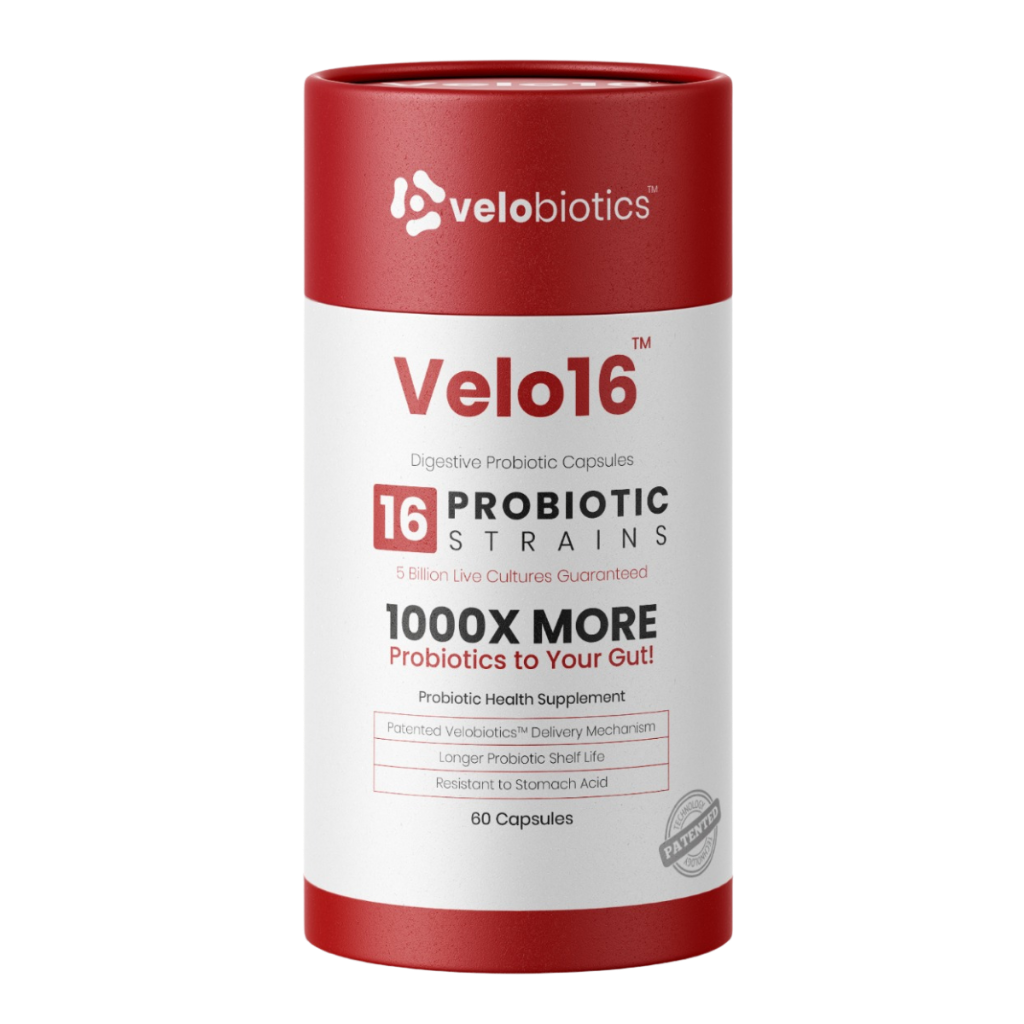
At Velo16™, we've developed our Velo16™ Children's Health Collection specifically with these clinical considerations in mind — using strains with the strongest paediatric evidence base, in formulations that South African children will actually enjoy taking, with full transparency on strain identity and CFU counts.
You can explore the full scientific rationale behind our formulations on The Velo16™ Science page, where we detail the research underpinning every ingredient decision we make.
Practical Gut Health Strategies for Parents: Beyond the Supplement
Probiotics are a powerful tool, but they work best as part of a broader approach to children's gut health. Here are the foundational strategies I recommend to the parents of my patients — and to my own family.
Feed the Microbiome First
The most powerful long-term strategy for kids' digestive health is dietary diversity. Research consistently shows that children who eat 30 or more different plant foods per week have significantly higher microbiome diversity than those eating fewer varieties — regardless of whether those plants are organic or conventional.
- Prioritise vegetables, legumes, whole grains, fruits, nuts, and seeds as the foundation of your child's diet
- Introduce fermented foods early: plain yoghurt, kefir, and even small amounts of traditional fermented foods are excellent microbiome supporters
- Limit ultra-processed foods, sugary drinks, and artificial additives — not because one exposure is catastrophic, but because cumulative exposure shapes the microbiome over time
- Don't fear dirt: children who play outdoors, garden, and have contact with animals have measurably more diverse microbiomes. The "hygiene hypothesis" is well-evidenced — appropriate microbial exposure is healthy
Use Antibiotics Wisely
I am not anti-antibiotic. When a child has bacterial pneumonia or a urinary tract infection, antibiotics are essential. But for viral upper respiratory infections, mild ear infections that often resolve spontaneously, and other conditions where watchful waiting is clinically appropriate, it is worth having an honest conversation with your child's doctor about whether antibiotics are truly necessary.
When antibiotics are necessary, start a clinically appropriate probiotic — specifically Lactobacillus rhamnosus GG — on the same day, at least two hours apart from the antibiotic dose, and continue for a minimum of four weeks after the antibiotic course ends to support microbiome recovery.
Prioritise Sleep and Stress Reduction
The gut-brain axis runs in both directions. Chronic stress and sleep deprivation — even in children — alter gut bacterial composition through the stress hormone cortisol and its effects on gut motility, secretory IgA production, and intestinal permeability. Consistent sleep routines, outdoor play, and emotional security are gut health interventions just as surely as dietary changes.
Consider Prebiotic Support Alongside Probiotics
Prebiotics — non-digestible fibres that selectively feed beneficial gut bacteria — work synergistically with probiotics. Inulin, fructooligosaccharides (FOS), and galactooligosaccharides (GOS) are well-studied prebiotics that can be provided through diet (onions, garlic, bananas, asparagus, oats) or through synbiotic supplements that combine both pre- and probiotics in a single formulation.
Frequently Asked Questions
At what age can I start giving my child probiotics?
Probiotics can be used safely from birth, and indeed specific strains like Lactobacillus reuteri have been extensively studied in newborns for conditions like infantile colic. The formulation and strain should be age-appropriate. Infant drops are appropriate for newborns to 12 months; powder sachets or chewables for toddlers and older children. Always consult your paediatrician before starting any supplement in a newborn.
Do probiotics help with antibiotic-associated diarrhoea in children?
Yes — this is one of the best-supported applications of paediatric probiotics. Multiple meta-analyses, including a major Cochrane review, have confirmed that Lactobacillus rhamnosus GG and Saccharomyces boulardii significantly reduce both the incidence and severity of antibiotic-associated diarrhoea in children. Start the probiotic on the same day as the antibiotic, separated by at least two hours, and continue for four weeks after the antibiotic course concludes.
Are probiotics for kids safe? Are there any side effects?
Probiotics have an excellent safety profile in healthy children. Mild, transient bloating or changes in stool consistency may occur in the first few days as the gut microbiome adjusts — this typically resolves quickly. Probiotics are not recommended for children who are severely immunocompromised or have central venous catheters without specific medical guidance. For the vast majority of healthy children, they are considered safe and well-tolerated.
How long should my child take probiotics?
This depends on the indication. For antibiotic-associated diarrhoea prevention, use during and for four weeks post-antibiotic. For general immune support and microbiome building, a minimum of three months of consistent daily use is recommended to observe meaningful changes in microbiome composition. Many families choose to use probiotics continuously through childhood, particularly during school years when infection exposure is high.
Where can I find quality probiotics for kids in South Africa?
Quality varies enormously in the South African supplement market. Look for products that list specific strain names (not just species), guarantee CFU counts through expiry, are manufactured under GMP-certified conditions, and have been third-party tested. The Velo16™ Children's Health Collection meets all of these criteria and is formulated specifically for South African children with the paediatric evidence base in mind. You can Shop All Velo16™ Products online with delivery across South Africa.
Give Your Child the Foundation They Deserve
The first 1000 days of your child's life are not just a milestone to survive — they are the most consequential window of biological opportunity your child will ever have. The microbiome established in these early years will influence their immune resilience, cognitive development, metabolic health, and emotional regulation for the rest of their life.
As a parent, you don't need to be perfect. You need to be informed, intentional, and consistent. Feed diversity. Limit unnecessary antibiotic exposure. Get outside. Sleep well. And when your child needs targeted microbiome support — especially after antibiotics, during winter illness seasons, or throughout the formative early years — choose a probiotic that is backed by real science, formulated for children, and manufactured with the quality controls that your child's health demands.
The Velo16™ Children's Health Collection was developed with exactly this mission in mind. Every strain, every CFU count, every ingredient choice has been guided by the paediatric microbiome research I've spent years reviewing and applying in clinical practice.
Ready to take the next step? Shop All Velo16™ Products and explore the full range of gut health solutions designed for every stage of life — from infancy through adulthood. If you're also interested in how gut health connects to skin health, Take the Clear Skin Quiz to discover your personalised gut-skin connection. And for more evidence-based health guidance from our clinical team, explore the full Velo16™ Health Journal.
Your child's health story starts now. Make these 1000 days count.
```