
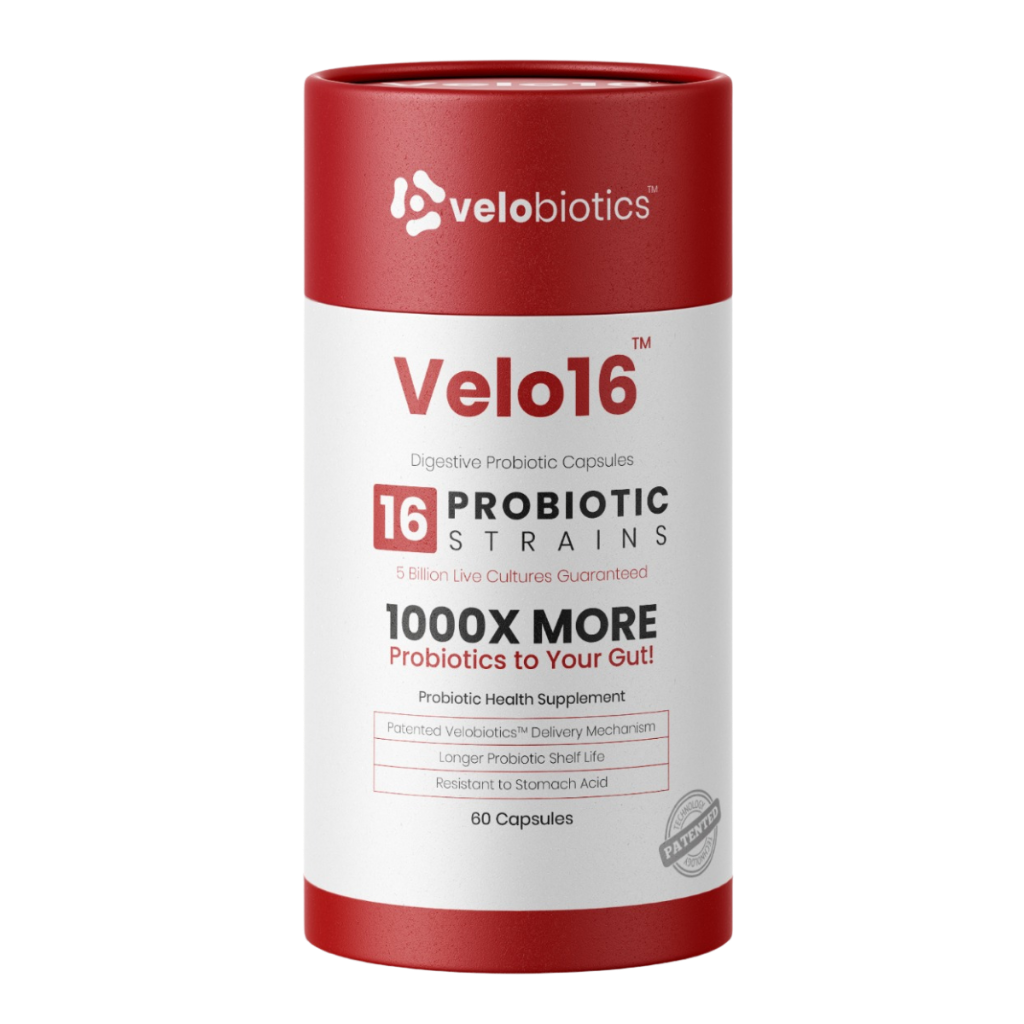
The Gut-Skin Axis: Why Your Acne, Eczema or Dull Skin Starts in Your Intestines
By Dr. Chomba Chuma, MD | Velo16™ Health Journal | Functional Medicine & Gut Health
If you have spent years battling persistent acne, stubborn eczema, or that frustrating lack of radiance that no moisturiser seems to fix, I want to offer you a perspective shift that could change everything. The problem may not be your skin at all. It may be your gut.
As a functional medicine physician practising in Johannesburg, I see this pattern daily in my clinic. Patients arrive having tried every topical cream, every antibiotic course, every expensive skincare regimen — and yet their skin remains inflamed, reactive, or simply lifeless. When we investigate deeper, the answer almost always traces back to the intestines: a disrupted gut microbiome, a compromised intestinal lining, and a cascade of systemic inflammation that eventually expresses itself on the body's largest organ — the skin.
This connection is not anecdotal. It is one of the most exciting and rapidly advancing areas of modern medical research. The gut-skin axis — the bidirectional communication network between your gastrointestinal tract and your skin — is now supported by a robust body of peer-reviewed science. Understanding it is the first step toward genuinely clear, healthy, glowing skin. So let us go deep.
Explore the Velo16™ Health Journal for more evidence-based articles on gut health, immunity, and whole-body wellness.
---1. What Is the Gut-Skin Axis? A Deep Dive into the Science
The term gut-skin axis describes the complex, two-way communication pathway between the gut microbiome and the skin microbiome. It involves immune signalling, hormonal pathways, neural communication, and the systemic circulation of metabolites — all originating in the intestinal environment and ultimately influencing how your skin looks, feels, and functions.
Your gut houses approximately 38 trillion microbial organisms — bacteria, fungi, viruses, and archaea — collectively known as the gut microbiome. Research published in Nature Microbiology has demonstrated that this microbial ecosystem profoundly regulates immune function, inflammatory responses, and even the expression of genes relevant to skin barrier integrity.
Similarly, the skin has its own distinct microbial community — the skin microbiome. This ecosystem of over 1,000 bacterial species serves as a frontline defence, modulating local immune responses and protecting against pathogenic invaders. What is remarkable — and clinically significant — is that these two ecosystems speak to each other constantly.
The Three Pathways of Gut-Skin Communication
- Immune regulation: Approximately 70% of the immune system resides in the gut-associated lymphoid tissue (GALT). Disruption of gut bacteria triggers systemic immune activation, generating pro-inflammatory cytokines like IL-1β, IL-6, and TNF-α that circulate throughout the body and manifest as skin inflammation.
- Microbial metabolites: Beneficial gut bacteria produce short-chain fatty acids (SCFAs) such as butyrate, propionate, and acetate. These metabolites regulate immune tolerance and skin barrier function. A depleted microbiome produces fewer SCFAs, weakening both gut and skin defences simultaneously.
- The HPA axis and stress hormones: Gut dysbiosis activates the hypothalamic-pituitary-adrenal (HPA) axis, elevating cortisol. Chronic cortisol elevation increases sebum production, degrades collagen, and worsens inflammatory skin conditions including acne and eczema.
"The skin and the gut share a common embryological origin, similar immune structures, and continuous bidirectional signalling. Treating skin disease without addressing the gut is, in many cases, treating the symptom while ignoring the cause."
— Dr. Chomba Chuma, MD, Founder of Velo16™
A landmark review in the Journal of Clinical Gastroenterology confirmed that patients with inflammatory bowel disease have significantly higher rates of psoriasis, eczema, and acne rosacea compared to the general population — providing clinical evidence that gut dysfunction directly drives skin disease.
---2. Leaky Gut: The Hidden Driver of Skin Inflammation
To understand how gut dysfunction triggers skin conditions, we need to understand intestinal permeability — or what is commonly called "leaky gut." While this term has been dismissed in conventional medical circles for years, the science is now unequivocal. Research indexed on PubMed/NCBI has identified leaky gut as a clinically measurable and pathologically significant condition associated with numerous inflammatory diseases.
Your intestinal lining is a single-cell layer thick — one of the most remarkable barriers in human biology. When healthy, it allows nutrients, water, and electrolytes to pass into the bloodstream while keeping bacteria, undigested food particles, and toxins firmly inside the gut. This barrier is maintained by tight junction proteins — molecular "zippers" that hold intestinal cells together.
What Damages the Intestinal Barrier?
- A diet high in ultra-processed foods, refined sugar, and seed oils
- Chronic stress and elevated cortisol
- Antibiotic overuse and other medications (including NSAIDs)
- Alcohol consumption
- Environmental toxins and pesticide residues (particularly glyphosate)
- Gut dysbiosis — an imbalance between beneficial and harmful bacteria
- Low dietary fibre intake
When tight junctions are disrupted, the intestinal wall becomes permeable. Bacterial fragments — particularly lipopolysaccharides (LPS), the toxic outer membrane of gram-negative bacteria — leak into the bloodstream. This triggers a condition called metabolic endotoxaemia, a state of chronic low-grade systemic inflammation that researchers at Harvard Health have linked to metabolic disease, autoimmunity, and — critically for our discussion — inflammatory skin conditions.
Read more about the research behind our formulations at The Velo16™ Science page.
How Leaky Gut Specifically Causes Skin Problems
When LPS and inflammatory cytokines circulate systemically, the skin responds in predictable ways:
- Acne: Circulating LPS upregulates insulin-like growth factor 1 (IGF-1) and mTORC1 signalling — both of which increase sebum production and follicular inflammation. A 2021 study on PubMed demonstrated that acne patients have significantly higher serum zonulin levels (a validated marker of intestinal permeability) compared to healthy controls.
- Eczema (Atopic Dermatitis): Systemic LPS exposure promotes a Th2-dominant immune response — exactly the immune profile characterising eczema. Children with disrupted gut microbiomes in infancy have a significantly higher incidence of atopic dermatitis, as confirmed by World Health Organisation epidemiological data on allergy and atopy prevalence.
- Dull, prematurely aged skin: Chronic systemic inflammation accelerates the degradation of collagen and elastin via matrix metalloproteinase (MMP) enzymes. The result is a loss of structural integrity, reduced luminosity, and the appearance of premature ageing.
- Rosacea and facial flushing: Studies have found that up to 48% of rosacea patients test positive for small intestinal bacterial overgrowth (SIBO) — and that treating SIBO significantly improves rosacea symptoms.
--- [INFOGRAPHIC_PLACEHOLDER: "The Gut-Skin Axis Explained — How Leaky Gut Leads to Acne, Eczema & Dull Skin" — Visual showing: Healthy Gut → Intact Tight Junctions → Balanced Immune Response → Clear Skin; vs. Leaky Gut → LPS Translocation → Systemic Inflammation → Acne / Eczema / Premature Ageing. Include icons for: microbiome, tight junctions, LPS, cytokines, collagen breakdown, skin manifestations.] ---Key Statistic: A study published in PubMed found that individuals with acne vulgaris were 10 times more likely to report gastrointestinal symptoms including bloating, constipation, and altered stool consistency compared to clear-skinned controls — pointing to a gut origin for their skin condition.
3. Probiotics for Skin Health: What the Evidence Actually Says
If gut dysbiosis and intestinal permeability underlie most inflammatory skin conditions, then restoring gut microbial balance is a logical and evidence-based therapeutic target. This is where probiotics for acne and other skin conditions have generated tremendous scientific interest — and where the evidence is genuinely compelling.
Probiotics are live microorganisms that, when administered in adequate amounts, confer a health benefit on the host. The World Health Organisation endorses this definition, and years of clinical research have expanded our understanding of how specific probiotic strains influence the gut-skin axis.
Proven Mechanisms: How Probiotics Improve Skin
- Restoration of tight junction proteins: Specific strains of Lactobacillus rhamnosus and Bifidobacterium longum have been shown to upregulate occludin and claudin expression — the proteins that seal intestinal tight junctions — directly reversing leaky gut pathology.
- Reduction of systemic LPS: Research published in the Journal of Clinical Gastroenterology demonstrated that probiotic supplementation significantly reduces circulating LPS levels within 8 weeks, reducing the systemic inflammatory burden that drives skin disease.
- Regulation of sebum-driving hormones: Certain Lactobacillus strains modulate androgen metabolism in the gut, reducing the excess androgenic signalling that drives excess sebum production and comedone formation in acne.
- Enhanced skin barrier function: Oral probiotics increase ceramide synthesis in skin keratinocytes, strengthening the epidermal barrier — critically relevant for eczema patients, whose skin barrier is structurally deficient.
- Direct influence on the skin microbiome: Oral probiotics have been shown to increase populations of beneficial Staphylococcus epidermidis on the skin while reducing the inflammatory pathobiont Cutibacterium acnes — demonstrating the remarkable reach of the gut-skin communication axis.
A 2022 meta-analysis on PubMed analysing 12 randomised controlled trials found that probiotic supplementation produced statistically significant improvements in acne lesion count, SCORAD index scores for eczema, and transepidermal water loss measurements — across all studies reviewed.
Probiotics Skin South Africa: Why This Matters Locally
In South Africa, the skin health burden is significant and often underappreciated. Factors including high UV radiation exposure, urban dietary patterns dominated by processed foods, antibiotic accessibility, and chronic psychosocial stress create a population particularly vulnerable to gut-driven skin conditions. As a physician practising in Johannesburg, I formulated our approach specifically with the South African physiological and environmental context in mind.
The demand for evidence-based probiotics skin South Africa solutions has never been higher — and the gap between what the market offers and what the science supports has driven the development of Velo16™'s targeted formulations.
Not sure where to start? Take the Clear Skin Quiz to find out which Velo16™ protocol is right for your specific skin concern.
---4. Collagen and Gut Health: The Missing Piece in Your Skin Routine
The second pillar of the Velo16™ skin health approach addresses something that neither topical skincare nor probiotics alone can resolve: the structural scaffolding of your skin itself. Collagen accounts for approximately 70–80% of your skin's dry weight. It is the protein responsible for firmness, elasticity, and that plump, youthful radiance we associate with healthy skin.
But here is what most skincare brands will not tell you: collagen is not just a skin protein. It is also a critical structural component of your intestinal lining. The connection between collagen gut health is more intimate than most people realise.
How Collagen Supports the Gut-Skin Axis
The extracellular matrix of the intestinal wall is rich in collagen — specifically Type I, III, and IV collagen fibres that provide structural support to the mucosal layer. When collagen synthesis is impaired — whether due to ageing, nutritional deficiency, or oxidative stress — the structural integrity of the intestinal lining degrades, contributing to increased permeability.
Hydrolysed collagen peptides, taken orally, serve a dual function:
- Intestinal barrier repair: Specific dipeptides derived from hydrolysed collagen — particularly hydroxyproline-glycine and glycine-proline — have been shown to stimulate tight junction protein expression and reduce intestinal permeability markers. A study published on PubMed demonstrated that glycine supplementation (the most abundant amino acid in collagen) significantly reduced intestinal inflammation in subjects with leaky gut.
- Dermal collagen stimulation: Once absorbed, collagen peptides circulate to the dermis where they stimulate fibroblasts — the collagen-producing cells of the skin — to increase endogenous collagen synthesis. Multiple randomised controlled trials have confirmed improvements in skin elasticity, hydration, and wrinkle depth with 8–12 weeks of hydrolysed collagen supplementation.
The Synergy: Why Probiotics + Collagen Together Outperform Either Alone
This is the clinical insight that shaped the Velo16™ formulation philosophy. Probiotics and collagen are not competing approaches — they are synergistic ones that address the gut-skin axis from two complementary angles simultaneously:
- Probiotics restore the microbial balance that reduces systemic inflammation and LPS translocation
- Collagen peptides repair the physical architecture of the gut lining while simultaneously replenishing dermal collagen
- Together, they accelerate the resolution of leaky gut while providing the structural raw materials for skin regeneration
- Probiotic strains also enhance collagen bioavailability by improving the gut's absorptive capacity for amino acids and micronutrients essential for collagen synthesis (Vitamin C, zinc, copper)
This is the science behind the Velo16™ Skin Health Collection — a dual-action formulation designed to work at the root cause level, not just the surface.
---"Applying collagen to the outside of your skin is like painting over a cracked wall. Unless you repair the foundational structure from within — through your gut — lasting skin health remains elusive."
— Dr. Chomba Chuma, MD
5. A Functional Medicine Protocol for Gut-Driven Skin Conditions
Understanding the gut-skin axis is empowering — but what does it look like in practice? As a functional medicine physician, my approach to skin conditions always begins with a gut health assessment and a structured protocol addressing the root cause. Here is the framework I use with my patients, and the foundation upon which Velo16™ products are designed.
Step 1: Remove Gut-Disrupting Inputs
- Eliminate ultra-processed foods, refined sugar, industrial seed oils, and excess alcohol for a minimum of 30 days
- Identify and remove personalised food sensitivities (common culprits: gluten, dairy, soy, corn)
- Reduce unnecessary antibiotic and NSAID use in consultation with your physician
- Address chronic stress through structured sleep, movement, and nervous system regulation practices
Step 2: Repopulate and Restore the Microbiome
- Introduce a high-quality, multi-strain probiotic with clinically validated strains at therapeutic doses (>10 billion CFU)
- Feed beneficial bacteria with prebiotic-rich foods: chicory root, garlic, leeks, asparagus, green bananas
- Increase dietary fibre to >30g per day to promote SCFA production and microbial diversity
- Consider fermented foods: unsweetened yoghurt, kefir, kimchi, sauerkraut
Step 3: Repair the Intestinal Lining
- Supplement with hydrolysed collagen peptides to support tight junction integrity
- Ensure adequate L-glutamine intake — the primary fuel source for intestinal epithelial cells
- Optimise Vitamin D levels — a critical regulator of tight junction protein expression
- Consider zinc carnosine — one of the most evidence-based gut lining repair supplements available
Step 4: Nourish the Skin from the Inside Out
- Ensure dietary adequacy of Vitamin C (collagen co-factor), zinc (anti-inflammatory), and omega-3 fatty acids (sebum regulation)
- Hydrate adequately: aim for 35ml per kg body weight daily
- Protect against UV-driven collagen degradation with appropriate sun protection — particularly important in the South African climate
Step 5: Track, Adjust, and Sustain
Gut-driven skin healing is not linear. Most patients see initial improvements within 4–6 weeks, with significant transformation occurring at the 12-week mark. Patience, consistency, and regular reassessment are key. Harvard Health Publishing notes in its coverage of gut microbiome research that microbiome restoration typically requires sustained, multi-faceted intervention over at least 60–90 days for durable results.
Browse the full range of products supporting this protocol at Shop All Velo16™ Products.
---Frequently Asked Questions
How long does it take for probiotics to improve skin conditions like acne or eczema?
Most clinical studies show measurable improvements in skin inflammation markers within 4–8 weeks of consistent probiotic supplementation. Visible improvements in acne lesion count and eczema severity scores are typically observed at the 8–12 week mark. Individual results vary based on the severity of gut dysbiosis, dietary habits, stress levels, and the specific strains and doses used. A combined approach — probiotics plus dietary changes plus collagen supplementation — consistently produces faster and more durable results than probiotics alone.
Is the gut-skin axis concept scientifically validated, or is it just a wellness trend?
The gut-skin axis is firmly grounded in peer-reviewed science. Research published in Nature Microbiology, the Journal of Clinical Gastroenterology, and numerous studies indexed on PubMed/NCBI have confirmed the bidirectional communication between gut and skin microbiomes. Specific mechanisms — including LPS translocation, cytokine signalling, SCFA production, and HPA axis modulation — have been characterised at the molecular level. This is not a wellness trend; it is an emerging frontier of dermatological and gastroenterological medicine.
Can collagen supplements really improve gut health, not just skin appearance?
Yes. Hydrolysed collagen peptides contain high concentrations of glycine, proline, and hydroxyproline — amino acids that are essential for maintaining the structural integrity of the intestinal extracellular matrix and supporting tight junction protein expression. Multiple studies have demonstrated that collagen-derived dipeptides reduce intestinal permeability markers including zonulin and LPS. So collagen supplementation genuinely serves a gut health function — not just a cosmetic one. This dual benefit is central to the Velo16™ skin health formulation philosophy.
Are Velo16™ products suitable for South African adults with darker skin tones?
Absolutely. Velo16™ formulations are designed to address the universal mechanisms of the gut-skin axis, which operate identically across all skin tones and ethnicities. In fact, many skin concerns common in South African adults — including post-inflammatory hyperpigmentation (PIH) following acne, reactive skin due to high UV exposure, and dullness — have a significant gut-driven inflammatory component. Our clinical approach specifically accounts for the South African environmental context, including UV burden and dietary patterns, in our formulation strategy.
Can I take Velo16™ Probiotics + Collagen alongside my current skincare routine or prescription medication?
Velo16™ Probiotics + Collagen is formulated to complement both topical skincare and conventional dermatological treatments. It is not intended to replace prescribed medications. If you are currently on antibiotics, immunosuppressants, or prescription acne medications such as isotretinoin, I recommend consulting with your healthcare provider before introducing any new supplements. That said, gut health support often enhances the efficacy and tolerability of conventional treatments by reducing the systemic inflammatory burden that those treatments are working against.
Ready to Address Your Skin at the Root Cause?
If this article has shifted your perspective on what is really driving your skin concerns, you are ready for the next step. Velo16™ Probiotics + Collagen is a clinically informed, dual-action formulation designed specifically to repair the gut-skin axis — addressing leaky gut, systemic inflammation, and dermal collagen depletion simultaneously.
Developed by a functional medicine physician, formulated with evidence-based strains and hydrolysed collagen peptides at therapeutic doses, and designed for South African adults who want clear, radiant skin from the inside out.
- ✅ Multi-strain probiotics at clinically effective doses
- ✅ Hydrolysed collagen peptides for gut lining repair and dermal support
- ✅ Free from artificial fillers, binders, and unnecessary additives
- ✅ Formulated by Dr. Chomba Chuma, MD — a practising functional medicine physician
- ✅ Designed for the South African skin health context
Explore the Velo16™ Skin Health Collection →
Take the Free Clear Skin Quiz to Find Your Personalised Protocol →