
The Gut-Skin Axis: Why Your Acne, Eczema or Dull Skin Starts in Your Intestines
By Dr. Chomba Chuma, MD — Founder & Medical Director, Velo16™ | Velo16™ Health Journal
You've tried every serum. You've switched cleansers more times than you can count. You've cut out sugar, stayed out of the sun, and followed every skincare influencer's ten-step routine. And yet — the breakouts keep coming. The eczema flares. The skin looks tired, dull, inflamed. Sound familiar?
Here's what most dermatologists won't tell you in a standard fifteen-minute consultation: the root cause of your skin condition may have nothing to do with your skin at all. Increasingly, the science points to a far more surprising origin — your gut.
As a functional medicine physician, I see this pattern in my Johannesburg practice every single week. Patients arrive having spent thousands on topical treatments with minimal results. When we investigate their gut health, we almost always find the missing piece. In this article, I want to walk you through the extraordinary science of the gut-skin axis — what it is, how a compromised gut drives the skin conditions affecting millions of South Africans, and exactly what you can do about it from the inside out.
1. What Is the Gut-Skin Axis? The Science Explained
The gut-skin axis refers to the bidirectional communication network between the gastrointestinal tract and the skin. It is part of a broader understanding in modern medicine that the gut does not function in isolation — it speaks constantly to organs across the entire body, including, critically, our largest organ: the skin.
This connection isn't new speculation. As far back as 1930, dermatologists John H. Stokes and Donald M. Pillsbury hypothesised that emotional stress caused gastrointestinal changes that, in turn, contributed to acne and other inflammatory skin disorders. Their model — largely dismissed for decades — has since been validated by a wave of contemporary microbiome research.
Today, a landmark review published in Frontiers in Microbiology confirms that the gut microbiome — the estimated 38 trillion bacteria, fungi, and other microorganisms living in your intestines — profoundly influences skin health through immune regulation, metabolite production, and systemic inflammation pathways.
The Skin Has Its Own Microbiome Too
Compounding the picture is the fact that your skin hosts its own microbial ecosystem: the skin microbiome. Diverse, balanced skin flora help maintain your skin's acid mantle, defend against pathogens like Cutibacterium acnes, and regulate local immune responses. Research published in Nature Microbiology demonstrates that skin microbial diversity is directly correlated with gut microbial diversity — meaning that when your gut is dysbiotic (out of balance), it is reflected on the surface of your skin.
Think of it this way: your gut microbiome is the conductor of an orchestra. When key instruments fall out of tune, the dissonance is eventually heard on the outside.
Key Communication Pathways
- Immune modulation: Approximately 70–80% of your immune system resides in your gut-associated lymphoid tissue (GALT). Gut dysbiosis dysregulates immune responses, triggering systemic inflammation that manifests as acne, eczema, psoriasis, and rosacea.
- Short-chain fatty acids (SCFAs): Beneficial gut bacteria ferment dietary fibre to produce SCFAs like butyrate, propionate, and acetate. These molecules have potent anti-inflammatory effects on skin cells.
- The gut-brain-skin axis: Stress hormones released via the gut-brain connection trigger sebaceous gland activity and inflammatory cascades in the skin. Harvard Health Publishing has extensively documented this three-way relationship.
- Nutrient absorption: A compromised gut reduces absorption of skin-critical nutrients — zinc, vitamin A, omega-3s, and amino acids needed for collagen synthesis.
2. Leaky Gut: The Hidden Driver of Skin Inflammation
Of all the mechanisms connecting gut health to skin conditions, none is more significant — or more widely misunderstood — than intestinal permeability, commonly called "leaky gut."
Your intestinal lining is a sophisticated single-cell-layer barrier approximately 400 square metres in surface area when unfolded. It is designed to allow nutrients, water, and electrolytes to pass into the bloodstream while keeping bacteria, toxins, and undigested food particles firmly inside the gut. Tight junction proteins — including occludin, claudin, and zonulin — hold these cells together like molecular velcro.
When this barrier is compromised — by processed diets, antibiotic overuse, chronic stress, alcohol, environmental toxins, or gut dysbiosis — those tight junctions loosen. Bacterial endotoxins, particularly lipopolysaccharide (LPS) from gram-negative bacteria, leak into the bloodstream. This triggers a cascade of systemic immune activation that researchers now link directly to inflammatory skin diseases.
"Increased intestinal permeability has been documented in patients with acne vulgaris, psoriasis, atopic dermatitis, and rosacea — suggesting that restoring gut barrier integrity may be a foundational therapeutic target for chronic skin conditions."
— Journal of Clinical Gastroenterology, 2021
Leaky Gut and Acne: The LPS-Sebum Connection
For those struggling with probiotics for acne research, the mechanism is becoming clearer. LPS entering the systemic circulation activates toll-like receptor 4 (TLR4) pathways, stimulating the overproduction of pro-inflammatory cytokines including IL-1β, TNF-α, and IL-6. These same cytokines upregulate sebaceous gland activity and promote the keratinocyte abnormalities that create acne lesions. A 2021 study in the Journal of the American Academy of Dermatology found that acne patients had significantly elevated markers of intestinal permeability compared to controls.
Leaky Gut and Eczema
Atopic dermatitis (eczema) has long been associated with gut dysbiosis, particularly reduced levels of Bifidobacterium and Lactobacillus species in infancy. The World Health Organization recognises the role of probiotic supplementation in modulating atopic conditions. When a leaky gut allows food antigens and bacterial fragments into the systemic circulation, the Th2-dominant immune skewing characteristic of eczema is reinforced — creating a self-perpetuating cycle of inflammation and skin barrier dysfunction.
Dull, Aged Skin and Gut Dysfunction
Not every gut-skin manifestation is dramatic. Many of my patients simply present with chronically dull, tired-looking skin that doesn't respond to hydration. This is frequently a sign of suboptimal nutrient absorption — particularly of amino acids required for collagen synthesis — combined with elevated systemic oxidative stress driven by gut-derived inflammation. When the gut is inflamed, even an excellent diet may fail to deliver the building blocks your skin needs.
[INFOGRAPHIC_PLACEHOLDER: "The Gut-Skin Axis — How Leaky Gut Drives Skin Inflammation" — Visual showing: Gut Dysbiosis → Intestinal Permeability → LPS Leakage → Systemic Inflammation → Skin Manifestations (Acne / Eczema / Psoriasis / Dull Skin) with intervention points for Probiotics + Collagen]
3. The Microbiome Reset: How Probiotics Transform Skin Health
If gut dysbiosis drives skin inflammation, the logical therapeutic target is gut microbiome restoration. This is precisely where clinical-grade probiotic supplementation enters the picture — and the evidence is compelling.
A meta-analysis of 20 randomised controlled trials published in PubMed/NCBI found that oral probiotic supplementation significantly improved acne lesion counts, reduced inflammatory markers, and improved skin hydration scores compared to placebo. The strains showing the strongest evidence include Lactobacillus acidophilus, Lactobacillus rhamnosus, Bifidobacterium longum, and Lactobacillus reuteri.
Mechanisms by Which Probiotics Improve Skin
- Restoring gut barrier integrity: Specific probiotic strains upregulate the expression of tight junction proteins, physically closing the gaps in a leaky gut and reducing LPS translocation into the bloodstream.
- Immune re-education: Probiotics shift the gut immune environment from pro-inflammatory Th1/Th17 dominance toward regulatory T-cell (Treg) activity, dampening the systemic inflammatory tone that drives acne and eczema.
- Reducing Cutibacterium acnes virulence: Gut-derived immune modulation reduces the inflammatory response to C. acnes on the skin surface, even without directly killing the bacterium.
- SCFA production: Restored beneficial bacteria produce more butyrate and propionate, which inhibit histone deacetylase enzymes and suppress inflammatory gene expression in skin keratinocytes.
- Modulating the skin microbiome: Oral probiotics have been shown to positively shift skin microbial diversity — the gut-skin axis operates in both directions.
What the South African Data Tells Us
For those searching for probiotics skin South Africa, local context matters. South African diets — increasingly characterised by ultra-processed foods, high refined carbohydrate loads, and antibiotic exposure through both medicine and food supply — create ideal conditions for gut dysbiosis. Add the stress burden of urban living and environmental pollutants, and the case for probiotic supplementation as a foundational clear skin supplement strategy becomes even stronger.
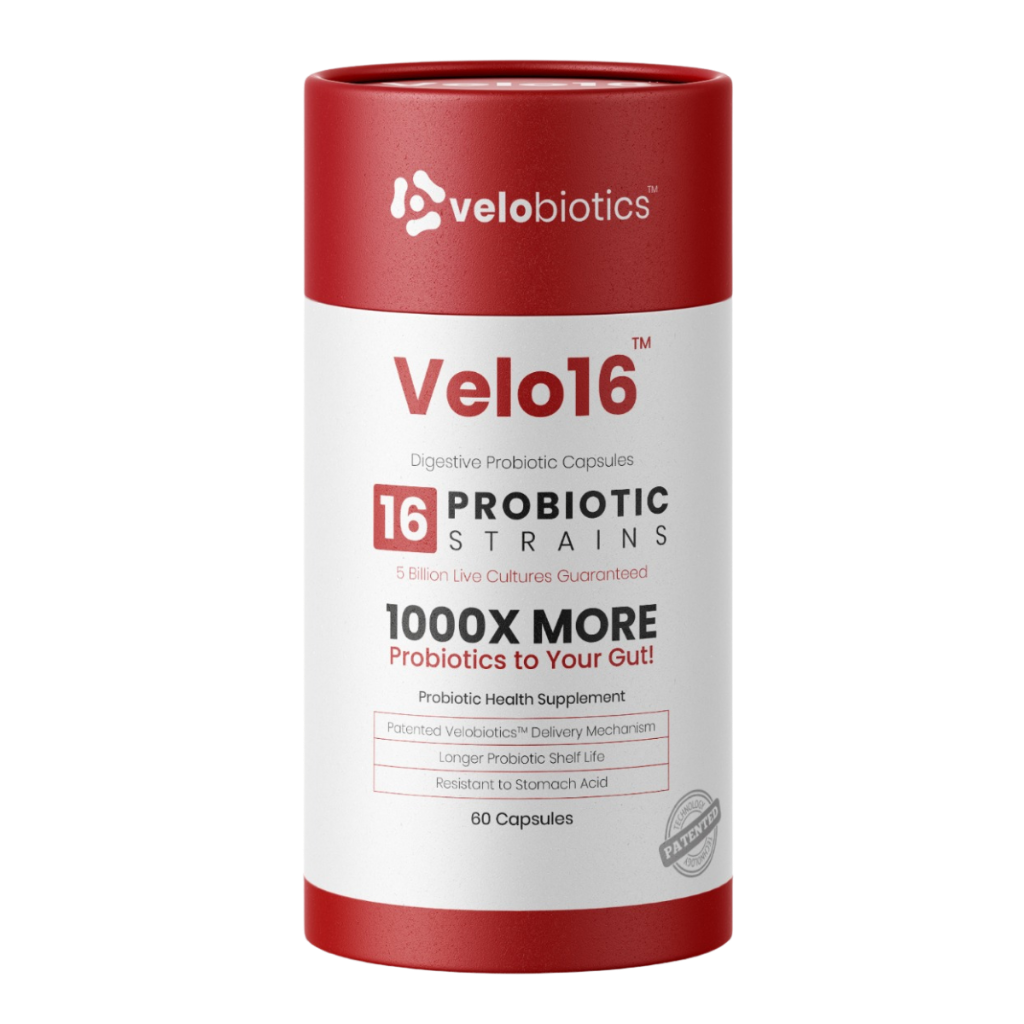
At Velo16™, we formulated our probiotic blend specifically with these factors in mind. Explore the full formulation rationale in The Velo16™ Science.
4. Collagen and Gut Health: The Missing Link in Skin Repair
Probiotics address the inflammatory driver of skin disease — but what about the structural repair work? This is where collagen and its relationship with gut health becomes critically important.
Collagen gut health is a rapidly emerging field. Collagen is the most abundant protein in the human body, constituting approximately 30% of total body protein. It provides structural integrity to the skin (particularly the dermis), cartilage, bones, and — crucially — the intestinal lining itself. Type I and Type III collagen are dominant in skin, while Type IV collagen is a key structural component of the intestinal basement membrane.
How Collagen Supports Gut Barrier Function
Research published in NCBI/PubMed demonstrates that collagen peptide supplementation directly supports the repair of intestinal tight junctions. The amino acids glycine, proline, and hydroxyproline — abundant in hydrolysed collagen — serve as critical substrates for enterocyte (intestinal cell) regeneration and tight junction protein synthesis. In simple terms: collagen supplementation helps heal a leaky gut — the very root cause of gut-driven skin inflammation.
"Glycine, the most abundant amino acid in collagen, has been shown to suppress NF-κB activation in intestinal epithelial cells — a master switch of gut inflammatory signalling — while simultaneously supporting mucosal healing."
— Frontiers in Nutrition, 2019
Collagen's Direct Benefits for Skin Structure
Beyond gut repair, hydrolysed collagen peptides (molecular weight 2,000–5,000 Da) are bioavailable enough to reach the dermis following oral supplementation. A double-blind, placebo-controlled trial published in the Journal of Cosmetic Dermatology found that women supplementing with hydrolysed collagen for eight weeks showed a 20% improvement in skin elasticity and a significant reduction in skin dryness compared to placebo.
- Stimulates fibroblast activity: Collagen peptides act as signalling molecules, stimulating skin fibroblasts to produce new collagen, elastin, and hyaluronic acid.
- Reduces transepidermal water loss (TEWL): Improved dermal collagen density enhances the skin's ability to retain moisture — critical for eczema-prone skin.
- Antioxidant properties: Specific collagen-derived peptides, particularly prolyl-hydroxyproline and hydroxyprolyl-glycine, demonstrate direct antioxidant activity — protecting skin cells from oxidative damage.
- Anti-glycation effects: Collagen supplementation may help protect existing structural collagen fibres from glycation (sugar-related cross-linking) — a key driver of skin ageing and dullness.
The Synergy of Probiotics + Collagen
This is where the Velo16™ formulation philosophy becomes clinically elegant. Probiotics and collagen do not merely add their benefits together — they multiply them:
- Probiotics reduce gut inflammation and restore the microbiome balance needed for optimal nutrient absorption.
- With improved gut function, collagen peptides are more efficiently absorbed and utilised — reaching both the intestinal lining and the dermal layer.
- Collagen's gut-healing properties further support the barrier restoration initiated by probiotics — creating a virtuous cycle of gut-skin repair.
- The combined anti-inflammatory effect reduces systemic cytokine levels — directly reducing acne, eczema flares, and skin reactivity.
This dual-action approach is why the Velo16™ Skin Health Collection was built around both modalities working in concert.
5. Your Practical Protocol: Building the Gut-Skin Foundation
Understanding the science is one thing. Translating it into daily action is another. Here is the evidence-informed framework I share with my patients:
Dietary Foundations
- Prioritise fermented foods: Kefir, unsweetened yoghurt, kimchi, sauerkraut, and kombucha introduce beneficial bacteria and have been associated with improved skin barrier function in observational studies.
- Increase dietary fibre: Diverse plant foods — particularly prebiotic-rich sources like Jerusalem artichoke, leeks, garlic, onions, and green bananas — feed beneficial gut bacteria and support SCFA production. Aim for 30+ different plant foods per week.
- Reduce ultra-processed foods and refined sugars: Dietary sugar drives gut dysbiosis, promotes glycation of skin collagen, and elevates insulin-like growth factor-1 (IGF-1) — a direct stimulator of acne-causing sebum overproduction.
- Omega-3 fatty acids: Oily fish, flaxseed, and walnuts provide EPA and DHA, which compete with pro-inflammatory arachidonic acid pathways — reducing skin inflammation from multiple angles.
- Adequate protein: Ensure sufficient dietary protein (1.2–1.6g/kg body weight) to support collagen synthesis. South African diets often lack complete amino acid profiles, particularly in plant-based eaters.
Lifestyle Interventions
- Stress management: Chronic psychological stress directly increases intestinal permeability via corticotropin-releasing hormone (CRH) — a mechanism confirmed by Harvard researchers. Prioritise sleep hygiene, mindfulness, and physical activity.
- Limit unnecessary antibiotic use: Each antibiotic course meaningfully disrupts gut microbiome diversity. Work with your physician to ensure antibiotics are prescribed only when genuinely indicated.
- Regular movement: Exercise has been shown to positively modulate gut microbiome composition, increasing the abundance of butyrate-producing bacteria independently of diet.
- Hydration: Adequate water intake supports mucosal integrity throughout the GI tract and directly influences skin hydration and plumpness.
Targeted Supplementation
When diet and lifestyle alone are insufficient — as is often the case in patients with established gut dysbiosis or compromised gut barrier function — targeted supplementation bridges the gap. Not sure where to start? Take the Clear Skin Quiz to identify which Velo16™ formulation best matches your skin and gut health profile.
For a comprehensive overview of all our evidence-based formulations, visit the Shop All Velo16™ Products page, or explore more health insights across the Velo16™ Health Journal.
6. What to Realistically Expect: Timelines and Results
One of the most important conversations I have with patients starting a gut-focused skin protocol is about realistic expectations. This is not a topical cream that produces surface-level changes overnight. You are remodelling a biological ecosystem and addressing inflammatory pathways that have often been dysregulated for years.
Typical Timeline
- Weeks 1–2: Gut symptoms (bloating, irregular bowel habits, digestive discomfort) typically begin to improve as microbial populations shift. Some patients notice a transient "purging" phase — a temporary increase in breakouts as inflammatory mediators are mobilised. This is normal and resolves.
- Weeks 3–4: Systemic inflammation markers begin to decline. Skin reactivity often reduces — less redness, fewer new breakouts, improved skin texture.
- Months 2–3: Skin barrier function improves. Eczema patients report fewer and less severe flares. Collagen synthesis begins to visibly improve skin elasticity and luminosity.
- Months 4–6: Sustained microbiome diversity improvements become measurable. For most patients, this is when the most dramatic and lasting skin transformations are observed.
"The gut microbiome operates on a timescale of weeks to months. Meaningful, sustainable skin improvement requires the patience to allow biological remodelling to occur — but the results are fundamentally different from anything achieved topically, because they address root cause rather than symptom."
— Dr. Chomba Chuma, MD
Consistency is everything. The evidence base for both probiotics and collagen is built on daily supplementation over periods of 8–24 weeks. Short-term or inconsistent use will not deliver the clinical outcomes seen in controlled trials.
Frequently Asked Questions
Can probiotics really help with acne?
Yes — the evidence is increasingly robust. Multiple randomised controlled trials and meta-analyses confirm that specific probiotic strains reduce inflammatory acne lesion counts, lower systemic inflammatory markers (particularly IL-1β and TNF-α), and improve gut barrier function that drives the LPS-mediated inflammation at the root of acne pathogenesis. Results are typically observed after 8–12 weeks of consistent daily supplementation with clinically validated strains. Probiotics for acne should be viewed as a root-cause intervention, not a quick fix.
How does collagen gut health actually work — isn't collagen just for joints and skin?
This is one of the most important misconceptions I encounter. Collagen is integral to the structural integrity of the intestinal lining itself — particularly through Type IV collagen in the basement membrane. Hydrolysed collagen peptides provide the amino acids glycine, proline, and hydroxyproline that are essential for tight junction protein synthesis and enterocyte regeneration. Collagen supplementation has been shown in clinical trials to reduce intestinal permeability markers, including zonulin — making it a genuinely powerful gut-healing intervention, not merely a cosmetic one.
How long does it take to see skin improvements from probiotics and collagen supplementation?
Most patients see meaningful improvements in skin texture, reactivity, and breakout frequency within 4–8 weeks. More significant structural improvements — particularly in skin elasticity and eczema frequency — typically become apparent at 12–24 weeks of consistent supplementation. The gut microbiome remodelling that underlies these skin changes is a gradual biological process. Patience and consistency are essential. Do not judge the protocol at four weeks — judge it at four months.
Is the gut-skin axis relevant for eczema or only for acne?
The gut-skin axis is highly relevant across multiple inflammatory skin conditions — including acne, atopic dermatitis (eczema), psoriasis, rosacea, and chronic skin dullness or premature ageing. Each condition involves distinct but overlapping immune dysregulation pathways downstream of gut dysbiosis and intestinal permeability. Eczema in particular has an exceptionally well-documented association with early gut microbiome composition — and probiotic intervention trials in atopic dermatitis have produced consistent positive outcomes in both prevention and management of flares.
Are Velo16™ probiotics suitable for South Africans with sensitive stomachs?
Yes. Velo16™ formulations are developed with gut-sensitive individuals in mind. Our probiotic strains are microencapsulated to survive gastric acid transit and are formulated to minimise the gas and bloating sometimes associated with lower-quality probiotic products. That said, any meaningful gut microbiome intervention can cause a brief transitional adjustment period in the first 7–14 days. We recommend starting with a single daily dose and building gradually. If you have a diagnosed gut condition such as IBD or SIBO, please consult your physician before beginning any supplementation protocol.
Ready to Address Your Skin from the Inside Out?
Your skin is a mirror of your gut. If you've been treating the reflection without addressing the source, it's time to change your approach. The Velo16™ Probiotics + Collagen formulation was developed by a functional medicine physician specifically to target the gut-skin axis — combining clinically validated probiotic strains with bioavailable hydrolysed collagen peptides in a single, synergistic protocol.
- ✅ Clinically validated probiotic strains at therapeutic doses
- ✅ Hydrolysed marine collagen for enhanced bioavailability
- ✅ Formulated for South African gut health challenges
- ✅ Evidence-based approach targeting root cause — not symptoms
Explore the Velo16™ Skin Health Collection →