
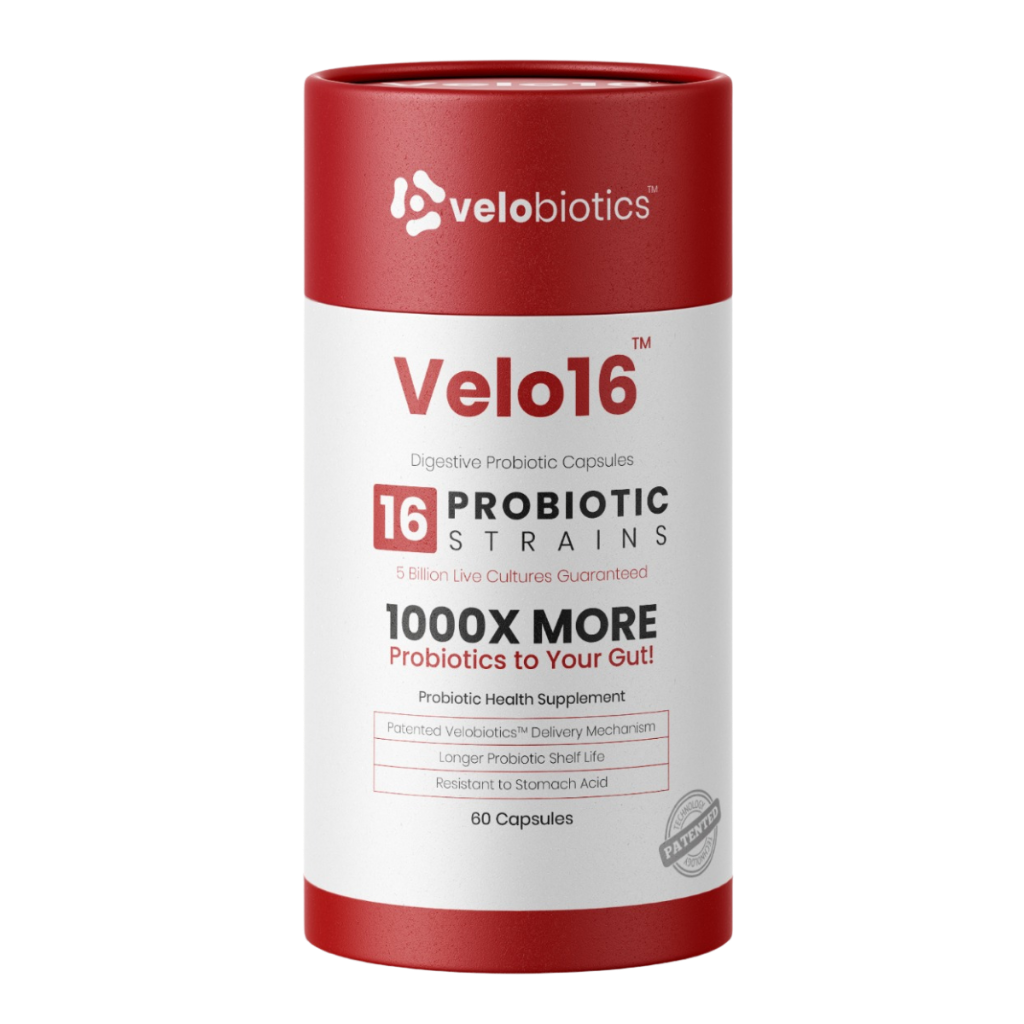
70% of Your Immune System Lives in Your Gut: Here's How to Activate It
By Dr. Chomba Chuma, MD — Founder & Medical Director, Velo16™ | Published in the Velo16™ Health Journal
If someone told you that the most powerful immune organ in your body isn't your lymph nodes, your spleen, or even your bone marrow — it's your gut — you'd probably raise an eyebrow. But this is not a wellness myth or a marketing claim. It is one of the most well-established findings in modern immunology. Approximately 70 to 80 percent of all immune cells in the human body reside within the gastrointestinal tract, making your digestive system the single largest immune organ you own.
As a functional medicine physician, I've spent years helping patients in South Africa understand why their immune systems keep failing them — recurrent infections, slow recovery, persistent fatigue, and chronic inflammation. In almost every case, the conversation leads back to the same place: the gut. When we heal the gut, we rebuild the immune system. When we feed the right microbes and provide the essential co-factors like Vitamin C, we unlock a level of immune resilience that no single supplement or pharmaceutical can replicate in isolation.
In this article, I want to walk you through the science of the gut immune system, explain the architecture of gut-associated lymphoid tissue, and show you exactly why combining a diverse, evidence-backed probiotic with high-dose Vitamin C is the most complete immune defence strategy available today.
The Architecture of Gut Immunity: Meet Your GALT
To understand why gut health is immune health, we need to start with anatomy. Lining the inside of your intestines is a remarkable network of immune structures collectively known as gut-associated lymphoid tissue, or GALT. This tissue is not passive. It is an active, intelligent immune surveillance network that is constantly sampling the contents of your gut, identifying threats, training immune cells, and making real-time decisions about what to tolerate and what to attack.
What Is GALT and Why Does It Matter?
GALT includes several interconnected structures:
- Peyer's Patches — clusters of lymphoid follicles embedded in the wall of the small intestine, acting as sampling stations for gut contents
- Mesenteric Lymph Nodes — the largest collection of lymph nodes in the body, filtering antigens absorbed from the gut
- Intraepithelial Lymphocytes (IELs) — immune cells embedded directly in the gut lining, acting as first responders
- Lamina Propria — the connective tissue beneath the gut epithelium, packed with T-cells, B-cells, macrophages, and dendritic cells
- Secretory IgA (sIgA) — the primary antibody of mucosal immunity, produced in enormous quantities in the gut and secreted into the intestinal lumen as the first line of chemical defence
"The gut-associated lymphoid tissue represents the largest immune compartment in the human body, containing more immune cells than all other lymphoid organs combined." — Vighi et al., Clinical & Experimental Immunology, NCBI
This extraordinary concentration of immune activity exists for a very good reason. Every single day, your gut is exposed to an almost incomprehensible volume of foreign material — trillions of bacteria, fungi, viruses, food antigens, and environmental toxins. The GALT must distinguish between what is harmful (pathogens, toxins) and what is beneficial or neutral (commensal bacteria, food proteins). Getting this distinction wrong in either direction — either attacking harmless substances (autoimmunity, allergies) or failing to neutralise real threats (infections) — has serious consequences for health.
The Gut Epithelial Barrier: Your First Line of Defence
Before immune cells even enter the picture, your gut has a physical and chemical barrier: a single layer of epithelial cells held together by tight junction proteins. When this barrier is intact, it allows nutrients to pass into the bloodstream while keeping pathogens and inflammatory molecules out. When it breaks down — a condition commonly referred to as intestinal permeability or "leaky gut" — bacterial fragments and undigested food particles enter the bloodstream, triggering systemic immune activation and chronic inflammation.
The integrity of this barrier depends heavily on the health of your gut microbiome. Specific commensal bacteria produce short-chain fatty acids (SCFAs), particularly butyrate, which serve as the primary fuel source for colonocytes — the cells that make up the gut lining. A depleted or imbalanced microbiome means less butyrate, weaker tight junctions, and a more permeable barrier. This is where probiotics become not just beneficial, but mechanistically essential.
How Your Gut Microbiome Trains Your Immune System
The relationship between your gut microbiome and your immune system is not a simple one-way street. These two systems are in constant, dynamic conversation. The microbiome shapes immune development; the immune system shapes microbial composition. This bidirectional crosstalk begins at birth and continues for your entire life.
Immune Education: The Microbial Classroom
In early life, exposure to diverse microbial species is essential for the proper development of immune tolerance — the ability of the immune system to distinguish "self" from "non-self" and "safe" from "dangerous." Infants raised in environments with reduced microbial diversity (over-sanitised, formula-fed, born by Caesarean section without supplementation) show higher rates of allergies, asthma, eczema, and autoimmune conditions later in life. This is the hygiene hypothesis, now more accurately termed the old friends hypothesis, which proposes that modern lifestyles have deprived our immune systems of the microbial training they evolved to require.
In adults, the microbiome continues this educating role through several mechanisms:
- Stimulating the differentiation of naïve T-cells into regulatory T-cells (Tregs), which suppress excessive inflammation
- Promoting the production of secretory IgA, which neutralises pathogens in the gut lumen before they can breach the epithelial barrier
- Activating natural killer (NK) cells and macrophages through pattern recognition receptors (PRRs) on immune cells
- Producing microbial metabolites like SCFAs that directly modulate immune cell gene expression
- Competing with pathogens for binding sites and nutrients — a phenomenon called colonisation resistance
"Microbial colonisation of the gut is essential for the normal development and function of both the innate and adaptive immune systems." — Thaiss et al., Nature Microbiology
What Depletes the Microbiome — and Why It Matters for South Africans
In the South African context, microbiome depletion is an exceptionally relevant concern. Antibiotic overuse — both in healthcare settings and through antibiotic residues in commercially farmed meat — remains a major driver of dysbiosis. Add to this a dietary shift towards ultra-processed foods, high sugar intake, chronic psychological stress (a significant immunosuppressant in its own right), and widespread exposure to environmental pollutants, and the picture becomes clear: millions of South Africans are walking around with compromised gut ecosystems and, by extension, compromised immune systems.
A 2023 review published in the Journal of Clinical Gastroenterology highlighted that dysbiosis — an imbalance in the gut microbial community — is associated with increased susceptibility to respiratory infections, slower recovery from illness, and higher rates of systemic inflammation. These are not abstract concerns. They translate to more sick days, more doctor visits, higher healthcare costs, and reduced quality of life.
For deeper context on how Velo16™ approaches the microbiome-immune connection, explore The Velo16™ Science — a comprehensive overview of the research underpinning every formulation decision we make.
[INFOGRAPHIC_PLACEHOLDER: "The Gut-Immune Axis — How GALT, the Microbiome, Probiotics & Vitamin C Work Together to Build Complete Immune Defence"]
Probiotic Immunity: What the Research Actually Shows
The word "probiotic" is used so frequently in marketing that its scientific meaning can get lost. To be precise: probiotics are live microorganisms that, when administered in adequate amounts, confer a health benefit on the host. The key phrase is "adequate amounts." Not all probiotic products are created equal, and the specific strains, colony-forming unit (CFU) counts, and delivery mechanisms matter enormously.
Strains That Matter for Immune Function
The immune-modulating effects of probiotics are highly strain-specific. The most extensively researched strains for immune health include:
- Lactobacillus rhamnosus GG (LGG) — one of the most studied strains in the world, shown to reduce the duration and severity of respiratory tract infections in multiple randomised controlled trials
- Lactobacillus acidophilus NCFM — demonstrated to enhance NK cell activity and reduce cold and flu incidence
- Bifidobacterium longum BB536 — associated with reduced allergic symptoms and enhanced production of secretory IgA
- Lactobacillus plantarum HEAL9 — shown in clinical studies to reduce cold incidence and symptom severity
- Bifidobacterium lactis HN019 — demonstrated enhancement of phagocytic activity and NK cell function in older adults
A landmark meta-analysis published on PubMed/NCBI analysing 20 randomised controlled trials found that probiotic supplementation significantly reduced the incidence of upper respiratory tract infections and the duration of illness episodes. The evidence is particularly compelling for populations under physiological stress — including athletes, the elderly, and individuals with high-stress lifestyles.
Beyond the Gut: Systemic Immune Effects of Probiotics
One of the most important insights in modern immunology is that the effects of gut-based probiotics are not confined to the gut. Through the gut-lung axis, microbially derived signals and immune mediators travel via the bloodstream and lymphatic system to influence immune responses in the respiratory tract, skin, brain, and beyond. This is why a healthy gut microbiome is associated with lower rates of pneumonia, reduced severity of viral respiratory infections, and even improved vaccine efficacy.
"Probiotics exert their immunomodulatory effects by enhancing epithelial barrier function, stimulating mucus production, modulating cytokine profiles, and promoting the development of regulatory immune responses." — Harvard Health Publishing
This is the scientific foundation upon which the Velo16™ Immune Health Collection was built. Every strain in the Velo16™ Probiotics formulation was selected based on peer-reviewed clinical evidence for immune-specific activity, not simply because it survives manufacturing or is cheap to source.
Vitamin C and Immunity: Far More Than You Think
When most people think about Vitamin C immunity, they think about orange juice and preventing colds. While that association has some merit, it dramatically undersells the role of Vitamin C in immune function. Ascorbic acid is not simply an antioxidant — it is a critical co-factor for multiple stages of the immune response, and deficiency (or even sub-optimal levels) measurably impairs your body's ability to fight infection.
The Mechanistic Role of Vitamin C in Immune Defence
Vitamin C supports immunity through several distinct and complementary mechanisms:
- Epithelial barrier function — Vitamin C is essential for collagen synthesis, which is required to maintain the structural integrity of mucosal and skin barriers. A weakened barrier is an open door for pathogens.
- Neutrophil function — Neutrophils, the immune system's frontline soldiers, accumulate Vitamin C at concentrations up to 50 times higher than plasma levels. They use it to generate reactive oxygen species (ROS) to kill pathogens and for chemotaxis (movement towards sites of infection).
- Lymphocyte proliferation — Vitamin C is required for the proliferation and differentiation of T- and B-lymphocytes, the adaptive immune cells that create targeted, long-lasting immune responses.
- Antiviral activity — High-dose Vitamin C has been shown to directly inhibit viral replication and support interferon production, the body's primary antiviral signalling molecules.
- Inflammation resolution — Vitamin C promotes apoptosis (programmed cell death) of used neutrophils and helps clear them from infection sites, reducing collateral tissue damage and supporting recovery.
A comprehensive review published on PubMed/NCBI concluded that Vitamin C supplementation reduced the duration of common cold episodes and was particularly effective in populations under physical stress — including South Africans dealing with high UV exposure, pollution, and physiological demands of daily life.
The World Health Organization recognises Vitamin C deficiency as a significant public health concern, noting that populations with poor dietary diversity — including many in sub-Saharan Africa — are at elevated risk of immune impairment due to micronutrient insufficiency.
Why Dose and Bioavailability Matter
Standard over-the-counter Vitamin C tablets often provide 60–100 mg — barely enough to prevent scurvy, let alone optimise immune function. Clinical research suggests that immune-supportive doses typically range from 500 mg to 2,000 mg per day, with higher doses used therapeutically under medical supervision. Bioavailability also matters: liposomal and buffered forms of Vitamin C demonstrate significantly higher absorption rates than standard ascorbic acid, particularly at higher doses.
The Velo16™ formulation uses a bioavailable, well-tolerated form of Vitamin C at clinically meaningful doses — not a token inclusion designed to appear on a label. To see the full specification, visit the Velo16™ Immune Health Collection page.
The Synergy: Why Probiotics + Vitamin C Is the Complete Strategy
Here is where the science becomes genuinely exciting. Probiotics and Vitamin C are not simply two good immune supplements that happen to be combined in one product. They work synergistically — meaning the combined effect is greater than the sum of their individual parts. Understanding why requires looking at how they interact at the cellular level.
Vitamin C Supports the Microbial Environment
Research has shown that Vitamin C plays a direct role in supporting a healthy gut microbiome. Ascorbic acid appears to selectively favour the growth of beneficial Lactobacillus and Bifidobacterium species while inhibiting certain pathogenic bacteria. A 2021 study published in gut microbiome research journals found that participants supplementing with Vitamin C showed measurable improvements in microbiome diversity — one of the most important predictors of immune resilience.
Probiotics Enhance Vitamin C Utilisation
Conversely, a healthy microbiome improves the absorption and utilisation of Vitamin C. The gut epithelium relies on specific transporter proteins (SVCT1 and SVCT2) to absorb ascorbic acid, and the expression of these transporters is influenced by microbial metabolites. In a dysbiotic gut, Vitamin C absorption may be impaired — meaning the same dose produces less immune benefit.
Shared Targets, Amplified Results
Both probiotics and Vitamin C independently support:
- Secretory IgA production in the gut
- NK cell activity and cytotoxic T-cell function
- Reduction of pro-inflammatory cytokines (TNF-α, IL-6) during infection
- Epithelial barrier integrity
- Recovery time from respiratory infections
When both are present at therapeutic levels simultaneously, these pathways are activated more robustly and consistently than either can achieve alone. This is the scientific rationale behind every formulation decision in the Velo16™ Immune Health Collection — and why we have never offered one without the other as part of a complete immune protocol.
Gut health, of course, also connects to skin health in profound ways. If you're noticing that your immune challenges are presenting on your skin as well, I'd encourage you to Take the Clear Skin Quiz to explore the gut-skin axis and what a personalised protocol might look like for you.
Practical Steps to Activate Your Gut Immune System
Understanding the science is empowering. But knowledge without application is simply interesting reading. Here is a practical, evidence-based framework for activating and sustaining your gut immune system:
Daily Habits That Build Gut Immune Resilience
- Diversify your diet — Aim for 30 different plant foods per week. Each plant contains unique fibres that feed distinct microbial species, expanding your microbiome's diversity and functional capacity.
- Include fermented foods — Yoghurt, kefir, sauerkraut, kimchi, and kombucha all introduce live beneficial bacteria and microbial metabolites that support GALT function.
- Minimise ultra-processed foods — Emulsifiers, artificial sweeteners, and preservatives in processed foods have been shown to disrupt tight junction proteins and reduce microbiome diversity.
- Manage stress actively — Chronic psychological stress suppresses secretory IgA production and disrupts the gut-brain axis. Regular exercise, adequate sleep, and mindfulness practices are not optional extras — they are immune interventions.
- Use antibiotics judiciously — Always complete prescribed courses, but avoid unnecessary antibiotic use and always follow with a comprehensive probiotic protocol to support microbiome recovery.
- Supplement strategically — A multi-strain, high-CFU probiotic combined with bioavailable high-dose Vitamin C provides the most evidence-based nutritional foundation for gut immune activation.
When to Prioritise Immune Support
While year-round gut-immune maintenance is ideal, there are specific periods when intensifying your protocol is particularly important:
- During and after antibiotic treatment
- In winter months when respiratory viruses circulate more aggressively in South Africa
- During periods of high stress — exams, demanding work periods, major life transitions
- When travelling or changing dietary environments significantly
- During and after illness, to support recovery and prevent secondary infections
Ready to make the shift? Browse the full range at Shop All Velo16™ Products and find the formulation that fits your lifestyle and health goals.
Frequently Asked Questions
How long does it take for probiotics to start supporting my immune system?
Clinical studies show that measurable immune changes — including increased secretory IgA levels, enhanced NK cell activity, and improvements in gut barrier function — begin to emerge within 2 to 4 weeks of consistent probiotic supplementation. However, the most meaningful immune resilience benefits are observed after 8 to 12 weeks of regular use. Think of probiotics as building infrastructure, not providing an instant fix. The gut microbiome is an ecosystem, and rebuilding an ecosystem takes time. Consistency is the most important variable.
Can I take high-dose Vitamin C every day safely?
For most healthy adults, doses of up to 2,000 mg of Vitamin C per day are considered safe by established guidelines, including those from the WHO and major regulatory bodies. The most common side effect of very high doses (above 2,000 mg) is loose stools or gastrointestinal discomfort, which resolves when the dose is reduced. Individuals with a history of kidney stones (particularly calcium oxalate stones) or haemochromatosis should consult a physician before high-dose supplementation. The Vitamin C in Velo16™ formulations is dosed at clinically effective, well-tolerated levels for daily use.
What is GALT and why should I care about it?
GALT — or gut-associated lymphoid tissue — is the network of immune structures embedded in your gastrointestinal tract. It includes Peyer's patches, mesenteric lymph nodes, intraepithelial lymphocytes, and the lamina propria. GALT houses approximately 70–80% of your body's immune cells and is responsible for producing secretory IgA (your gut's primary antibody), training T-cells to distinguish friend from foe, and coordinating immune responses throughout your body via the gut-lung and gut-skin axes. In short, if your GALT is compromised, your entire immune system is compromised.
Are Velo16™ probiotics suitable for people who are lactose intolerant or vegan?
Yes. The Velo16™ Probiotics + Vitamin C formulation is designed to be inclusive and accessible. The probiotic strains used are delivered in capsules free from dairy-derived carriers, making them suitable for individuals with lactose intolerance. For specific dietary suitability — including vegan certification and allergen information — please refer to the full product specification on the Velo16™ Immune Health Collection product page or contact our team directly.
Does gut health really affect my skin and other parts of my body, or just digestion?
This is one of the most important questions in modern medicine. The gut microbiome communicates with virtually every organ system in your body through what researchers call the gut-brain axis, the gut-lung axis, and the gut-skin axis. Dysbiosis (gut imbalance) has been clinically associated with acne, eczema, psoriasis, anxiety, depression, respiratory infections, autoimmune conditions, and metabolic disorders. Your gut is not a standalone digestive organ — it is a central regulatory hub for whole-body health. This is why healing the gut is consistently the most transformative intervention I recommend in functional medicine practice.
Ready to Activate Your Gut Immune System?
Your immune system deserves more than a seasonal afterthought. With Velo16™ Probiotics + Vitamin C, you get a clinically informed, multi-strain probiotic combined with bioavailable high-dose Vitamin C — designed to train your GALT, restore your microbial ecosystem, and build the kind of immune resilience that lasts year-round.
This isn't a supplement. It's a system — built on peer-reviewed science, designed for South African bodies, and formulated without compromise.
- ✔ Multi-strain, high-CFU probiotic with clinically studied immune-specific strains
- ✔ High-dose, bioavailable Vitamin C at therapeutically meaningful levels
- ✔ Synergistic formulation designed to activate the gut-immune axis
- ✔ Developed by a functional medicine physician, manufactured to pharmaceutical standards
→ Explore the Velo16™ Immune Health Collection
→ Shop All Velo16™ Products
→ Read The Velo16™ Science