
70% of Your Immune System Lives in Your Gut: Here's How to Activate It
Every winter, millions of South Africans reach for the same tired remedies — a packet of vitamin C tablets, a box of tissues, and a hope that this year's flu season won't hit too hard. But what if the real battleground for your immunity isn't your bloodstream, your lungs, or even your lymph nodes? What if it's your gut?
This isn't a metaphor. It's anatomy. Approximately 70% of your entire immune system is housed within your gastrointestinal tract — a sophisticated network of immune tissue, microbial communities, and specialised cells that quietly determines whether you fight off infections efficiently or spend weeks recovering from every cold that passes through the office.
In this article, I want to take you deep into the science of the gut immune system — how it works, why it's so often overlooked, and how you can actively support it with the right combination of probiotics and nutrients. Because once you understand what's actually happening inside your gut lining, the idea of immune support will never look the same again.
"The gut is not just a digestive organ. It is the command centre of the immune system — and most people are running it on default settings."
— Dr. Chomba Chuma, MD, Founder of Velo16™
The Gut-Immune Axis: Why Your Belly Runs Your Defences
What Is Gut-Associated Lymphoid Tissue (GALT)?
Let's start with the anatomy. Lining the walls of your intestines is a remarkable structure called gut-associated lymphoid tissue, or GALT. This tissue is the largest immune organ in the human body — larger than your spleen, your thymus, and your lymph nodes combined. It contains an estimated 70–80% of the body's total immunoglobulin-producing cells and acts as a constant surveillance system for everything that enters your body through food, water, and air.
GALT includes several distinct components:
- Peyer's Patches — clusters of lymphoid follicles found predominantly in the small intestine that monitor intestinal bacteria and initiate immune responses
- Mesenteric Lymph Nodes — the largest lymph nodes in the body, filtering antigens from the gut
- Intraepithelial Lymphocytes — immune cells embedded directly in the gut lining, acting as the first line of defence
- Lamina Propria Cells — a dense layer beneath the gut epithelium packed with T-cells, B-cells, macrophages, and dendritic cells
Research published in Nature Microbiology confirms that the gut microbiome plays a central role in educating and calibrating these immune structures from birth — and continues to influence them throughout your entire life. In short, a healthy gut equals a trained, responsive immune system.
The Microbiome as Immune Trainer
Your gut is home to roughly 38 trillion microorganisms — bacteria, fungi, viruses, and archaea — collectively known as the gut microbiome. Far from being passive passengers, these microbes are actively training your immune system every single day.
Here's how it works: The beneficial bacteria in your gut interact directly with the immune cells in GALT, essentially teaching them to distinguish between harmful pathogens (which should trigger a response) and harmless food proteins or commensal bacteria (which shouldn't). This process of immune education is called immune tolerance, and it is absolutely critical for preventing both chronic infections and autoimmune conditions.
When the microbiome becomes disrupted — a state called dysbiosis — this training breaks down. Studies from the World Health Organization have linked microbiome disruption to increased susceptibility to respiratory infections, inflammatory conditions, and even poor vaccine responsiveness. In South Africa's urban environments, where processed food consumption, antibiotic use, and chronic stress are all on the rise, gut dysbiosis is increasingly common.
How Probiotics Train and Activate Immune Cells
The Science of Probiotic Immunity
Probiotic immunity — the ability of live beneficial bacteria to directly modulate immune function — is one of the most well-documented areas of modern microbiome science. But understanding exactly how this happens requires us to look at the mechanisms.
When probiotic strains like Lactobacillus acidophilus, Bifidobacterium longum, and Lactobacillus rhamnosus colonise the gut lining, they trigger several key immune-enhancing effects:
- Stimulation of Secretory IgA (sIgA) — Probiotics increase the production of secretory immunoglobulin A, the dominant antibody in mucosal surfaces. sIgA acts as the gut's primary defensive coating, neutralising pathogens before they can penetrate the epithelial barrier.
- Regulation of T-helper cell balance — Specific probiotic strains help balance Th1 (cell-mediated immunity) and Th2 (antibody-mediated immunity) responses, preventing immune overreaction (allergies, inflammation) while maintaining vigilance against real threats.
- Enhancement of Natural Killer (NK) cell activity — A landmark study in the Journal of Clinical Gastroenterology found that multi-strain probiotic supplementation significantly increased NK cell cytotoxic activity — these are the immune cells that destroy virus-infected cells and early tumour cells.
- Production of short-chain fatty acids (SCFAs) — When probiotic bacteria ferment dietary fibre, they produce SCFAs like butyrate, propionate, and acetate. These compounds directly nourish gut epithelial cells, maintain gut barrier integrity, and have powerful anti-inflammatory effects on systemic immune function.
- Competitive exclusion of pathogens — Beneficial bacteria physically crowd out harmful species by competing for adhesion sites on the gut wall and producing bacteriocins (natural antimicrobial compounds).
"Multi-strain probiotic supplementation was associated with a 42% reduction in the duration of upper respiratory tract infections in adults."
Why Diversity Matters More Than Quantity
One of the biggest misconceptions I encounter in clinical practice is the belief that "more CFUs means better immunity." Colony-Forming Units (CFUs) matter, but they're only part of the picture. Strain diversity is equally — if not more — important.
Different probiotic strains colonise different parts of the gut, interact with different immune receptors, and produce different beneficial compounds. A single-strain probiotic, regardless of how high the CFU count, cannot replicate the complex, multi-layered immune effects of a diverse, multi-strain formulation. This is why research published on PubMed consistently shows superior outcomes with multi-strain combinations over single-strain products for immune endpoints.
At Velo16™, this understanding informs every formulation decision we make. Explore The Velo16™ Science to see how we approach strain selection and synergistic formulation.
The Role of Vitamin C in Gut-Immune Function
Vitamin C Immunity: Far More Than an Antioxidant
Most South Africans know that vitamin C immunity is a real thing — but very few understand the depth of its involvement in immune biology. Vitamin C (ascorbic acid) is not merely a general antioxidant that "boosts immunity" in a vague sense. It has specific, well-characterised roles in at least six distinct immune mechanisms:
- Neutrophil function — Vitamin C accumulates to extraordinarily high concentrations inside neutrophils (your most abundant immune cell), enhancing their ability to migrate to infection sites, engulf pathogens, and generate oxidative bursts that kill bacteria.
- Lymphocyte proliferation — Adequate vitamin C is required for the rapid proliferation of T and B lymphocytes in response to an antigen challenge.
- Collagen synthesis in gut lining — Vitamin C is the essential co-factor for collagen production. Since your gut epithelial barrier depends on collagen integrity, vitamin C deficiency directly compromises the physical wall between your gut lumen and your bloodstream — a condition increasingly linked to "leaky gut" syndrome.
- Interferons and cytokine regulation — High-dose vitamin C has been shown to enhance interferon production and modulate pro-inflammatory cytokine signalling, reducing the risk of the runaway inflammation known as a "cytokine storm."
- Antiviral activity — Research published on NCBI demonstrates that vitamin C has direct antiviral properties, inhibiting viral replication across multiple pathogen families.
- Iron absorption for immune cells — Vitamin C dramatically enhances non-haem iron absorption, which is critical for the proliferation and function of all rapidly dividing immune cells.
According to Harvard Health Publishing, while vitamin C may not prevent every cold, consistent supplementation reduces the duration of respiratory infections by an average of 8–14% in adults — and significantly more in people under physical stress or those with depleted baseline levels, which describes a large proportion of urban South Africans.
The Gut-Vitamin C Connection You Didn't Know About
Here's the link that most supplement brands miss entirely: your gut microbiome influences how well you absorb and utilise vitamin C. Certain gut bacteria metabolise ascorbic acid, potentially reducing its bioavailability in people with dysbiosis. Conversely, vitamin C itself acts as a selective prebiotic, favourably shifting the microbiome composition toward beneficial Lactobacillus and Bifidobacterium species.
This bidirectional relationship means that combining probiotics with vitamin C doesn't just give you two independent immune benefits — it creates a synergistic loop where each amplifies the effectiveness of the other. This is the central logic behind the Velo16™ Probiotics + Vitamin C formulation for immune health.
[INFOGRAPHIC_PLACEHOLDER: The Gut-Immune Axis — How Probiotics and Vitamin C Work Together to Activate Your Immune System. Include: GALT diagram, probiotic strain functions, vitamin C immune mechanisms, the synergistic loop between microbiome health and vitamin C absorption.]
Why Standard Immune Supplements Often Fall Short
The Single-Nutrient Problem
Walk into any pharmacy in Johannesburg, Cape Town, or Durban and you'll find shelves lined with single-nutrient immune supplements — vitamin C tablets here, a basic probiotic there, maybe a zinc lozenge. The problem isn't that these products are ineffective in isolation. The problem is that they treat immunity as if it were a single dial to turn up, rather than a complex, interconnected system that requires multiple points of support.
Your gut immune system is not a simple lock-and-key mechanism. It is a dynamic, continuously adapting ecosystem involving trillions of microorganisms, hundreds of immune cell subtypes, dozens of signalling molecules, and multiple nutritional co-factors — all operating simultaneously. Supporting it effectively requires a strategy, not a single supplement.
Bioavailability and Delivery
Even when people choose the right nutrients, delivery and bioavailability are often overlooked. Standard vitamin C tablets can cause gastrointestinal discomfort at therapeutic doses. Many probiotic supplements fail to survive stomach acid and never reach the large intestine where they're needed most. And most "immune supplements" on the South African market contain only minimal therapeutic doses — just enough to put the nutrient on the label, not enough to actually move the biological needle.
This is why formulation science matters as much as ingredient selection. When you shop for an immune support supplement in South Africa, it's worth asking: What strains are included? At what CFU counts? Is the vitamin C dose therapeutic? How is shelf stability maintained? Explore the full Velo16™ Immune Health Collection to see how we've addressed each of these questions in our formulations.
Activating Your Gut Immune System: A Practical Protocol
Daily Habits That Support GALT Function
Supplementation is powerful, but it works best within a broader lifestyle framework. Based on the latest research and my clinical experience working with patients across South Africa, here are the most evidence-backed strategies for activating and maintaining your gut immune system:
- Diversify your plant intake — Aim for 30+ different plant foods per week. Each unique plant fibre feeds different microbial species in your gut, expanding the microbial diversity that underpins robust GALT function. Research from the American Gut Project (PubMed) found this single habit was the strongest predictor of microbiome diversity.
- Prioritise fermented foods — Kimchi, kefir, natural yoghurt, sauerkraut, and kombucha all introduce live microorganisms into the gut. A 2021 Stanford study found that a high-fermented-food diet increased microbiome diversity and reduced inflammatory markers more effectively than a high-fibre diet alone.
- Manage your stress response — The gut-brain axis is real. Chronic psychological stress triggers cortisol release that directly suppresses GALT function, reduces sIgA secretion, and promotes gut dysbiosis. Mindfulness, regular exercise, and adequate sleep are non-negotiable for gut-immune health.
- Limit unnecessary antibiotic use — Antibiotics are life-saving when necessary, but they indiscriminately destroy beneficial gut bacteria. If you must take antibiotics, always follow up with a high-quality, multi-strain probiotic supplement — ideally one that includes Lactobacillus rhamnosus GG and Saccharomyces boulardii, the two strains with the strongest evidence for antibiotic-associated recovery.
- Supplement strategically — A multi-strain probiotic combined with therapeutic-dose vitamin C addresses the gut-immune axis from two complementary angles simultaneously. Take your probiotic consistently (daily, ideally with food) and ensure your vitamin C dose is physiologically meaningful — research suggests 500–1000mg daily for immune support, with higher doses during periods of acute illness or high stress.
Signs Your Gut Immune System May Need Support
In my clinical practice, patients often don't realise their immune challenges are rooted in gut health until we connect the dots together. Watch for these signs:
- Frequent colds, flu, or respiratory infections (more than 2–3 per year)
- Slow recovery from illness
- Chronic digestive symptoms — bloating, irregular bowel movements, food sensitivities
- Persistent fatigue, especially following illness
- Skin issues like acne, eczema, or persistent inflammation (the gut-skin axis is closely related — if this resonates, Take the Clear Skin Quiz to explore your gut-skin connection)
- Poor response to vaccinations or a sense that your immunity is "unreliable"
If two or more of these apply to you, your gut immune system is likely running below optimal capacity — and the good news is that the gut microbiome is highly responsive to intervention. In clinical studies, meaningful shifts in gut microbial composition can occur within as little as 2–4 weeks of consistent probiotic supplementation and dietary change.
The Velo16™ Approach: Combining Probiotics and Vitamin C for Complete Immune Defence
At Velo16™, we formulated our Probiotics + Vitamin C product specifically to address the gut-immune axis as an integrated system. Our approach is grounded in three principles:
- Clinical strain selection — We use only probiotic strains with published human clinical trial data demonstrating specific immune outcomes, not generic or poorly characterised strains included purely for marketing purposes.
- Therapeutic dosing — Both the probiotic CFU count and the vitamin C dose in our formulation are set at levels shown to produce measurable immune effects in the published literature — not just trace amounts.
- Synergistic design — The combination of a diverse probiotic blend with high-dose vitamin C is intentional. As the science above demonstrates, these two elements work together through interconnected mechanisms that neither can fully replicate alone.
Whether you're looking to reduce the frequency of seasonal illness, support your recovery from a period of stress or antibiotic use, or simply build the most robust immune foundation possible, addressing your gut immune system is the most evidence-backed starting point available. Visit Shop All Velo16™ Products to find the right formulation for your needs, or continue exploring evidence-based health science in the Velo16™ Health Journal.
"You cannot out-supplement a neglected gut. But when you give your gut microbiome what it needs, your immune system doesn't just function — it thrives."
— Dr. Chomba Chuma, MD
Frequently Asked Questions
How long does it take for probiotics to improve immune function?
Research suggests that measurable changes in gut microbiome composition can begin within 1–2 weeks of consistent probiotic supplementation. However, meaningful immune outcomes — such as reduced frequency of infections or improved sIgA levels — are typically observed after 4–8 weeks of daily use. For optimal results, probiotics should be taken consistently rather than intermittently, and combined with a diet rich in diverse plant fibres that feed the newly introduced beneficial bacteria.
Can I take Velo16™ Probiotics + Vitamin C while on antibiotics?
Yes — in fact, this is one of the most important times to take a probiotic. However, to prevent the antibiotic from destroying the probiotic bacteria before they can colonise, space your probiotic dose at least 2 hours apart from your antibiotic dose. Continue taking the probiotic for at least 4 weeks after completing the antibiotic course to support full microbiome recovery. Always consult your healthcare provider if you are immunocompromised or have a specific medical condition.
Is it possible to take too much vitamin C?
Vitamin C is water-soluble, meaning excess amounts are excreted in urine rather than accumulated in tissues. The tolerable upper intake level for adults is generally set at 2,000mg per day by most health authorities. At doses above this, some people experience gastrointestinal discomfort (loose stools or cramping). For immune support, 500–1,000mg daily is the most evidence-backed range for most adults, with higher doses sometimes used short-term during acute illness under medical supervision. Our Velo16™ formulation is dosed within the optimal therapeutic range for daily use.
What is GALT and why does it matter for immunity?
Gut-Associated Lymphoid Tissue (GALT) is the largest immune organ in the human body, comprising approximately 70% of all immune cells. It lines the intestinal wall and acts as a continuous surveillance and training system for your immune response. GALT includes Peyer's patches, mesenteric lymph nodes, and specialised immune cells embedded in the gut lining. Its function depends heavily on the health and diversity of your gut microbiome — which is why gut health is so fundamentally central to immune resilience. Supporting GALT through targeted probiotics and vitamin C is one of the most direct routes to systemic immune improvement.
Who should consider taking an immune support supplement in South Africa?
Almost any adult can benefit from supporting their gut immune system, but the need is particularly high for: people who get sick frequently (more than 2–3 times per year); individuals who have recently taken antibiotics; those experiencing high levels of chronic stress; people who eat a low-variety diet or consume significant amounts of processed food; adults over 40, as immune function naturally declines with age; and anyone living in urban environments with high pollution exposure. South Africa's unique combination of environmental stressors, dietary transitions, and high infectious disease burden makes gut-immune support especially relevant for our population.
Ready to Activate Your Gut Immune System?
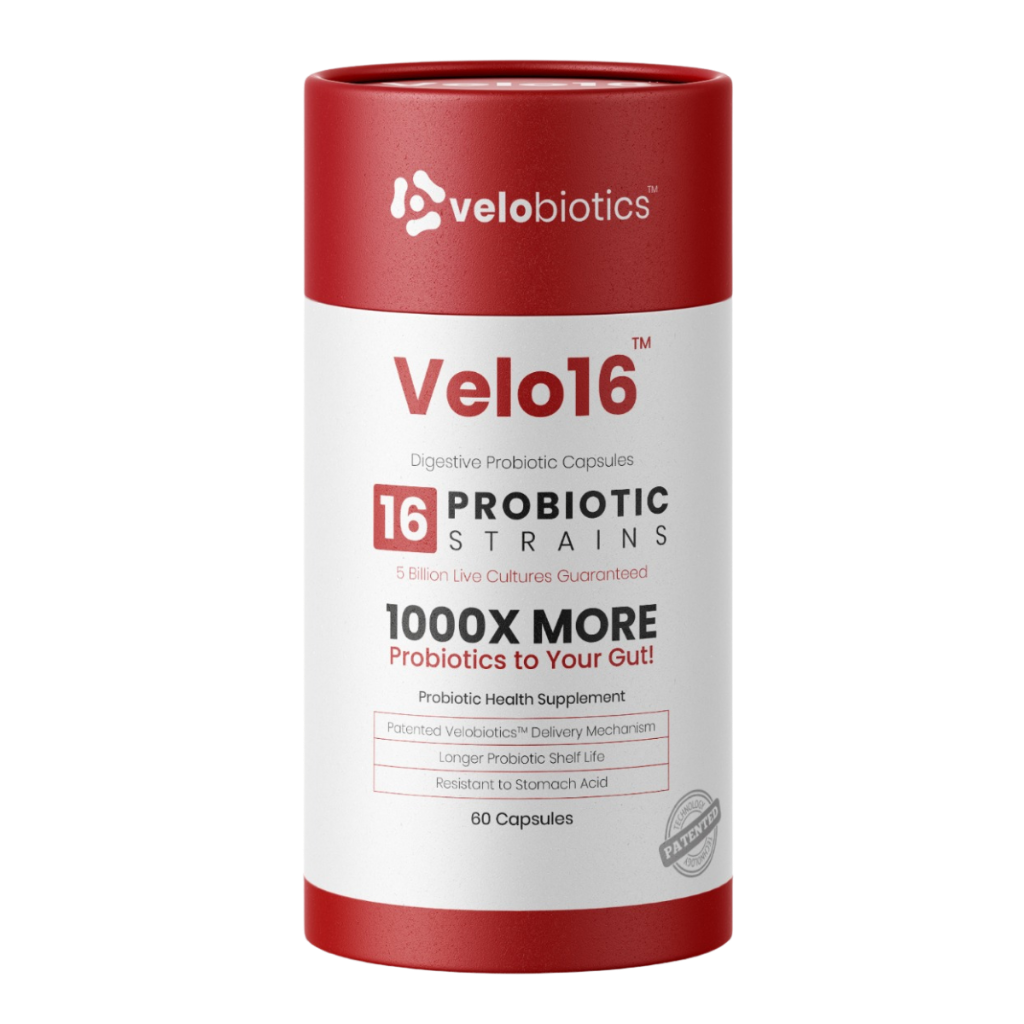
Velo16™ Probiotics + Vitamin C is formulated by a functional medicine physician specifically to support the gut-immune axis — combining clinically selected multi-strain probiotics with therapeutic-dose vitamin C in a single, convenient daily supplement.
Don't leave your immune system running on default settings. Give your gut what it needs to train, activate, and defend.