
70% of Your Immune System Lives in Your Gut: Here's How to Activate It
By Dr. Chomba Chuma, MD — Founder, Velo16™ | Velo16™ Health Journal
Most people reach for a vitamin supplement the moment they feel a scratchy throat or a sniffle coming on. But here is what most people do not realise: by the time your immune system is already struggling, the real work should have been happening weeks — even months — earlier, deep inside your digestive tract. The gut is not merely the organ that digests your morning oats. It is, quite literally, the command centre of your entire immune defence network. And if you are not actively supporting it, you are operating with one hand tied behind your back.
In my years of clinical practice as a functional medicine physician in Johannesburg, I have seen patients invest in expensive cold remedies, antibiotic courses, and single-nutrient supplements — all while neglecting the very ecosystem that governs whether those immune responses even fire correctly. Today, I want to change that. In this article, I will walk you through the science of the gut immune system, explain how the gut-associated lymphoid tissue (GALT) works, and show you precisely why combining a clinically diverse probiotic with high-dose Vitamin C immunity support is the most complete immune defence strategy available — and why it matters so much for health-conscious South Africans navigating a high-stress, modern lifestyle.
The Gut-Immune Axis: Why Your Digestive Tract Is Your First Line of Defence
To understand why the gut dominates immune function, we need to think about what the gut actually is: a continuous, hollow tube running from your mouth to your rectum, approximately eight to nine metres long. Its surface area, when fully unfolded, is roughly the size of a studio apartment. Every single centimetre of that surface is a potential entry point for pathogens — bacteria, viruses, fungi, and parasites — that you inadvertently consume through food, water, and the environment.
The body's solution to this enormous vulnerability is elegant and powerful: concentrate the majority of immune activity right at the site of greatest exposure. Approximately 70–80% of the body's total immune cells reside in and around the gut lining, creating a sophisticated surveillance and response system that operates around the clock.
"The gastrointestinal tract is the largest immune organ in the human body, containing more immune cells than all other lymphoid organs combined." — National Center for Biotechnology Information (NCBI), 2019
This is not a recent discovery. Immunologists have understood the centrality of gut immunity for decades, but it is only in the last fifteen years — with advances in microbiome sequencing technology — that we have truly begun to appreciate just how deeply the trillions of microorganisms living in your colon shape and regulate this immune tissue. The gut microbiome and the gut immune system do not merely coexist. They co-evolve, communicate constantly, and depend on each other for proper function.
The Mucosal Barrier: Your Gut's Physical Firewall
The innermost layer of your gut wall, called the mucosal epithelium, is your first physical barrier against pathogens. This barrier is just one cell thick — remarkably thin — yet it is fortified by a thick layer of mucus secreted by goblet cells, tight junction proteins that seal the gaps between cells, and secretory immunoglobulin A (sIgA) antibodies that neutralise pathogens before they can even make contact with the epithelial surface.
When this barrier is compromised — through chronic stress, a poor diet high in ultra-processed foods, antibiotic overuse, or a depleted microbiome — we see a condition commonly referred to as increased intestinal permeability (colloquially known as "leaky gut"). Bacterial fragments, partially digested proteins, and inflammatory molecules cross into the bloodstream, triggering systemic immune activation and chronic low-grade inflammation. This is not just a gut problem. Emerging research published in Nature Microbiology consistently links dysregulated gut barrier function to autoimmune conditions, allergies, and increased susceptibility to infections.
Understanding GALT: The Immune Army Stationed in Your Gut
Within the gut wall lives an extraordinary immune structure known as gut-associated lymphoid tissue, or GALT. This is the architectural masterpiece that makes gut immunity so formidable. GALT encompasses several distinct structures, each playing a specialised role in immune surveillance and response.
Peyer's Patches and Mesenteric Lymph Nodes
Peyer's patches are clusters of lymphoid follicles found predominantly in the small intestine. They act as sampling stations — constantly monitoring the contents of the gut lumen, capturing antigens (molecules that trigger immune responses), and presenting them to immune cells for evaluation. Think of Peyer's patches as border control checkpoints that process an unimaginable volume of "arrivals" every single day.
Connected to Peyer's patches are the mesenteric lymph nodes, the largest collection of lymph nodes in the human body. When a pathogen is identified as a genuine threat, signals propagate through these nodes, activating T-cells, B-cells, and natural killer cells to mount a coordinated immune response. Crucially, many of these immune cells, once trained in the gut, can travel through the bloodstream to defend other mucosal surfaces — including the lungs, sinuses, and urogenital tract.
Intraepithelial Lymphocytes and Lamina Propria Cells
Scattered throughout the gut epithelium are intraepithelial lymphocytes (IELs) — specialised T-cells that sit sentinel-like between epithelial cells, ready to immediately destroy infected or abnormal cells. Below the epithelium, in a layer called the lamina propria, reside massive populations of plasma cells producing secretory IgA, macrophages consuming pathogens, and regulatory T-cells calibrating the immune response to avoid overreaction.
This last point — immune calibration — is critically important. The GALT must constantly make extraordinarily nuanced decisions: attack this pathogen, but tolerate that food protein. Destroy this bacterium, but accommodate this beneficial commensal microbe. This balancing act is what prevents food allergies, autoimmunity, and chronic inflammatory conditions. And it is a balancing act that depends entirely on the health and diversity of the microbiome living alongside it.
To learn more about the research behind our formulations, visit The Velo16™ Science page.
How Probiotics Train, Activate, and Regulate Your Immune Cells
Now we arrive at the heart of the matter: how does probiotic immunity actually work? The word "probiotic" has become almost ubiquitous in health marketing, but the mechanism by which specific probiotic strains modulate immune function is both precise and profoundly interesting.
Direct Immune Stimulation via Pattern Recognition
The surface structures of probiotic bacteria — cell wall components, DNA sequences, and flagella proteins — are recognised by immune cells through specialised receptors called Toll-like receptors (TLRs) and Nod-like receptors (NLRs). When these receptors are activated by beneficial bacteria, they trigger the production of specific cytokines — chemical messengers that direct immune behaviour — including interleukin-10 (IL-10, an anti-inflammatory regulator) and interleukin-12 (IL-12, which activates natural killer cells).
A landmark study published in the Journal of Clinical Gastroenterology demonstrated that multi-strain probiotic supplementation significantly increased the secretory IgA levels and natural killer cell activity in healthy adults, translating to measurable improvements in upper respiratory tract infection frequency and duration. This is probiotic immunity in action — not a vague wellness concept, but a measurable, mechanistic effect.
Competitive Exclusion: Crowding Out Pathogens
Beyond direct immune stimulation, diverse probiotic strains defend the gut through a mechanism called competitive exclusion. By colonising gut epithelial surfaces and outcompeting pathogenic bacteria for adhesion sites and nutrients, they physically prevent harmful microbes from establishing a foothold. Certain strains, including Lactobacillus rhamnosus and Lactobacillus acidophilus, produce bacteriocins — antimicrobial peptides that selectively inhibit pathogens without harming beneficial neighbours.
Short-Chain Fatty Acids and Regulatory T-Cell Induction
When probiotic bacteria ferment dietary fibre in the colon, they produce short-chain fatty acids (SCFAs) — primarily butyrate, propionate, and acetate. These molecules are not merely fuel for colonocytes (the cells lining the colon). They are potent immune regulators. Butyrate, in particular, has been shown to induce the differentiation of regulatory T-cells (Tregs), which suppress excessive immune responses and prevent the chronic inflammation that underlies so many modern diseases.
"Gut microbiota-derived short-chain fatty acids regulate host immune responses by influencing the generation and function of regulatory T cells." — NCBI/PubMed, Immunity Journal, 2017
This is why diversity matters. A probiotic containing sixteen clinically relevant strains — spanning multiple Lactobacillus and Bifidobacterium species, as well as beneficial yeasts like Saccharomyces boulardii — can exert a far broader and more robust immune-modulating effect than a single-strain supplement ever could. Diversity in your gut microbiome correlates directly with resilience, adaptability, and immune competence.
Explore the full Velo16™ Immune Health Collection to see how we have built this principle into every product we formulate.
Vitamin C and Immunity: The Essential Co-Factor Your Gut Needs
If the gut-probiotic relationship is the engine of immune defence, then Vitamin C immunity support is the high-octane fuel that keeps it running at full power. Ascorbic acid (Vitamin C) is one of the most extensively researched micronutrients in all of medicine, with over 53,000 published studies on PubMed alone. Yet despite its ubiquity, many South Africans remain chronically insufficient — not technically deficient enough to develop scurvy, but operating well below the levels required for optimal immune function.
How Vitamin C Directly Supports Immune Function
The immune-supporting roles of Vitamin C are multiple and synergistic:
- Neutrophil function: Vitamin C is concentrated at extraordinarily high levels (10–100 times higher than plasma) inside neutrophils — your body's first-responder immune cells. It enhances their ability to migrate to infection sites, engulf pathogens, and generate reactive oxygen species to destroy them.
- T-cell and natural killer cell proliferation: Vitamin C supports the proliferation and differentiation of B-cells and T-cells, as well as the cytotoxic activity of natural killer cells — the immune cells responsible for directly destroying virus-infected and cancerous cells.
- Antioxidant protection of immune cells: During an immune response, immune cells generate massive amounts of oxidative stress as a by-product of pathogen destruction. Vitamin C, as a potent antioxidant, protects these very immune cells from being damaged by the oxidative environment they create.
- Collagen synthesis for mucosal integrity: Vitamin C is an essential cofactor for collagen synthesis — the structural protein that maintains the integrity of the gut mucosal barrier. Without adequate Vitamin C, that critical one-cell-thick epithelial wall becomes structurally compromised.
- Interferon production: Vitamin C has been shown to enhance the production of type I interferons — antiviral signalling proteins that are among the body's most powerful early antiviral defences.
"Vitamin C deficiency results in impaired immunity and higher susceptibility to infections. Vitamin C supplementation appears to both prevent and treat respiratory and systemic infections." — Nutrients, NCBI/PubMed, 2017
According to the World Health Organization, micronutrient deficiencies — including Vitamin C — represent a significant contributor to immune dysfunction globally. In South Africa specifically, where dietary patterns are increasingly shifting toward nutrient-poor processed foods, and where chronic stress (a known consumer of Vitamin C stores) is prevalent, targeted supplementation is not a luxury — it is a clinical necessity for many people.
Why Standard-Dose Vitamin C Is Often Not Enough
Most over-the-counter Vitamin C supplements provide 500mg or less. During periods of acute infection, stress, or intense physical activity, the body's demand for Vitamin C increases dramatically. Research from Harvard Health Publishing and multiple clinical trials suggests that higher doses — in the range of 1,000–2,000mg per day — may meaningfully reduce the duration and severity of upper respiratory infections, particularly when supplementation is consistent rather than reactive.
High-dose Vitamin C paired with bioflavonoids (compounds found naturally alongside Vitamin C in citrus fruits) demonstrates superior bioavailability and synergistic antioxidant activity compared to ascorbic acid alone. This is a formulation principle we have applied deliberately in the Velo16™ Probiotics + Vitamin C product.
The Synergy of Probiotics + Vitamin C: Why the Combination Is More Powerful Than Either Alone
By now, the case for both diverse probiotics and high-dose Vitamin C as pillars of the gut immune system should be clear. But what happens when you combine them? The evidence suggests something genuinely compelling: a synergistic effect that neither nutrient achieves independently.
Vitamin C as a Prebiotic-Like Gut Modulator
Emerging research has revealed that Vitamin C itself may act as a modulator of gut microbial composition. Studies have shown that Vitamin C supplementation can increase the relative abundance of beneficial Bifidobacterium and Lactobacillus species while reducing populations of pathogenic bacteria — effectively creating a gut environment more hospitable to the probiotic strains you are consuming. This creates a positive feedback loop: Vitamin C helps your probiotics thrive, and thriving probiotics produce the SCFAs and cytokine signals that amplify immune function.
Mucosal Integrity + Microbial Diversity = Complete Protection
Consider the immune defence in layers:
- Layer 1 — Physical barrier: Vitamin C supports collagen synthesis, maintaining tight junctions and the structural integrity of the gut mucosa.
- Layer 2 — Microbial defence: Diverse probiotic strains occupy the mucosal surface, produce antimicrobial compounds, and prevent pathogen adhesion.
- Layer 3 — Innate immune activation: Probiotic-TLR interactions and SCFA production train and activate neutrophils, NK cells, and macrophages.
- Layer 4 — Adaptive immune regulation: Regulatory T-cell induction (via SCFAs) and Vitamin C-enhanced lymphocyte activity ensure responses are both effective and appropriately controlled.
- Layer 5 — Systemic antioxidant protection: Vitamin C protects immune cells throughout the body from oxidative damage during active immune responses.
This is what we mean when we describe Velo16™ Probiotics + Vitamin C as a complete immune defence. Not a single-angle intervention, but a layered, evidence-based strategy that addresses every major vulnerability in the immune system — starting where 70% of immune function actually lives: your gut.
If you are ready to take the first step, browse our full range at Shop All Velo16™ Products and find the formulation that fits your health goals.
You may also find it useful to explore our Velo16™ Health Journal for additional articles on gut health, microbiome science, and evidence-based supplementation.
Practical Steps to Activate Your Gut Immune System Today
Understanding the science is one thing. Applying it is another. Here are the evidence-based, clinically grounded steps I recommend to my patients — and the ones I follow personally:
1. Prioritise Microbiome Diversity Through Diet
- Aim for at least 30 different plant foods per week (vegetables, fruits, legumes, whole grains, nuts, seeds, herbs, and spices). Research from the American Gut Project found this threshold to be significantly associated with greater microbiome diversity.
- Include fermented foods daily where possible: plain yoghurt, kefir, sauerkraut, kombucha, or kimchi all contribute live microorganisms and substrates that feed beneficial bacteria.
- Reduce ultra-processed food consumption, refined sugar, and artificial sweeteners — all of which have documented negative effects on microbiome composition and gut barrier integrity.
2. Supplement Strategically and Consistently
- Choose a probiotic with high strain diversity (at minimum 8–10 strains; ideally 16 or more clinically characterised strains) and an adequate colony-forming unit (CFU) count, typically 10–50 billion CFU per dose.
- Pair your probiotic with a high-dose Vitamin C supplement providing at least 1,000mg daily, ideally with bioflavonoids for enhanced absorption.
- Take your probiotic consistently — immune benefits are cumulative and depend on sustained microbial colonisation and ongoing immune training.
3. Protect Your Gut Barrier
- Manage chronic stress actively — cortisol directly increases intestinal permeability and suppresses immune function. Prioritise sleep, movement, and mind-body practices.
- Use antibiotics only when genuinely necessary and always follow a course with a high-quality probiotic to restore microbial balance.
- Stay well hydrated — the mucus layer protecting your gut epithelium is water-dependent.
Not sure where your gut health stands today? Take the Clear Skin Quiz — skin and gut health are intimately connected, and this short assessment can help identify patterns that may reflect underlying microbiome imbalances.
Frequently Asked Questions
How long does it take for probiotics to start supporting immune function?
Most clinical studies observe measurable changes in immune markers — including increased secretory IgA levels and enhanced natural killer cell activity — within two to four weeks of consistent probiotic supplementation. However, the full benefits of microbiome remodelling, including SCFA production and regulatory T-cell induction, may take eight to twelve weeks of daily use to fully manifest. Consistency is the key variable. Taking your probiotic daily, even on symptom-free days, is what builds genuine immune resilience over time.
Can I get enough Vitamin C from diet alone for strong immune support?
In theory, yes — a diet rich in citrus fruits, bell peppers, broccoli, guava, and kiwi fruit can provide adequate Vitamin C. In practice, however, most South Africans fall short of the levels required for optimal immune support, particularly during periods of stress, illness, or physical exertion — all of which dramatically increase the body's Vitamin C demand. Supplementation at 1,000–2,000mg per day is a reliable, low-risk way to ensure your levels remain in the therapeutically relevant range throughout the year.
Is it safe to take a probiotic and Vitamin C together?
Yes. There are no known adverse interactions between probiotics and Vitamin C. In fact, as emerging research suggests, Vitamin C may positively influence gut microbial composition in ways that are complementary to probiotic supplementation. The combination is not only safe but synergistic — each component supports mechanisms that the other enhances. As always, if you have a specific medical condition or are taking immunosuppressant medications, it is advisable to consult with a healthcare professional before beginning any new supplement regimen.
What is the best immune support supplement in South Africa?
The best immune support supplement South Africa residents can use is one that addresses the root of immune function: the gut. A product combining a multi-strain, high-CFU probiotic with clinically dosed, bioavailable Vitamin C covers the full spectrum of immune defence — from gut barrier integrity and GALT activation to systemic antioxidant protection and lymphocyte function. Velo16™ Probiotics + Vitamin C was formulated specifically with this comprehensive, evidence-based approach in mind, and manufactured to pharmaceutical-grade standards.
Does GALT only protect against gut infections, or does it defend the whole body?
This is an excellent question and one that surprises many people. The gut-associated lymphoid tissue (GALT) defends far more than just the digestive tract. Immune cells trained in the GALT — particularly IgA-secreting plasma cells and memory T-cells — are released into the bloodstream and migrate to mucosal surfaces throughout the entire body, including the respiratory tract (lungs, sinuses, throat), the urogenital tract, and the mammary glands. This is why gut health profoundly affects respiratory immunity, and why people with compromised microbiomes experience more frequent and severe respiratory infections, not just gut problems.
Ready to Activate Your Gut Immune System?
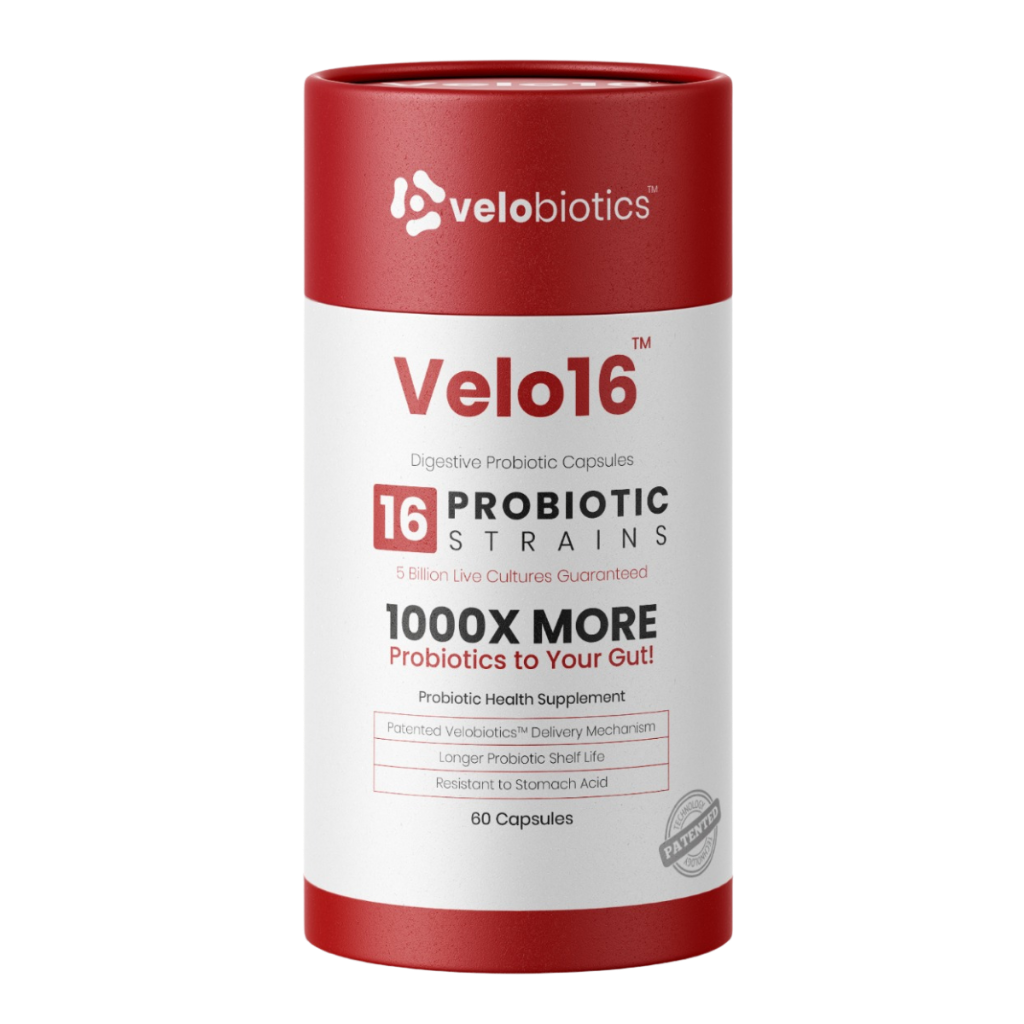
Your immune system is only as strong as the gut environment that trains it. Velo16™ Probiotics + Vitamin C combines 16 clinically characterised probiotic strains with high-dose, bioavailable Vitamin C — specifically formulated to activate your GALT, strengthen your mucosal barrier, and provide complete, layered immune defence from the inside out.
- ✔ 16 diverse probiotic strains targeting the full gut-immune axis
- ✔ High-dose Vitamin C with bioflavonoids for superior absorption
- ✔ Formulated by a functional medicine physician
- ✔ Evidence-based. Pharmaceutical-grade. Made for South Africa.