
70% of Your Immune System Lives in Your Gut: Here's How to Activate It
By Dr. Chomba Chuma, MD — Founder, Velo16™ | Velo16™ Health Journal
Most people think of immunity as something that happens in the blood — white cells circulating, antibodies patrolling, lymph nodes swelling when infection strikes. But modern immunology has fundamentally shifted that picture. The real command centre of your immune system isn't in your bloodstream. It's lining the walls of your digestive tract, quietly making decisions about what to attack, what to tolerate, and how aggressively to respond — every single second of every single day.
When I tell patients in my Johannesburg practice that approximately 70% of the body's immune cells reside in the gut, the reaction is almost always the same: disbelief, followed by a cascade of realisations about why their health has been the way it has. Frequent colds. Slow recoveries. Skin flares. Persistent fatigue. In many cases, the root cause isn't what they've been eating or avoiding — it's what's happening in the microbial ecosystem inside them.
In this article, I want to walk you through the science of the gut immune system, explain how a diverse, well-fed microbiome literally trains your immune cells, and show you why combining a clinically relevant probiotic with high-dose Vitamin C creates the most complete, evidence-backed immune defence available. This isn't theory. This is physiology. And once you understand it, you can't un-know it.
The Gut Is Your Immune Headquarters: Understanding GALT
Let's start with anatomy. Running the full length of your gastrointestinal tract — from the oesophagus to the colon — is a sophisticated network of immune tissue called gut-associated lymphoid tissue, or GALT. It is the largest single component of the human immune system, accounting for roughly 70–80% of all immunoglobulin-producing cells in the body.
GALT includes several distinct structures:
- Peyer's Patches — clusters of lymphoid follicles in the small intestinal wall that monitor gut contents and initiate immune responses
- Mesenteric lymph nodes — the largest collection of lymph nodes in the body, filtering antigens absorbed from the gut
- Lamina propria lymphocytes — T cells and B cells embedded directly in the gut lining, ready to respond immediately
- Intraepithelial lymphocytes (IELs) — specialised immune sentinels sitting between the cells lining your gut, forming the first line of cellular defence
What makes GALT so extraordinary is the dual challenge it faces every moment: it must mount aggressive responses against genuine pathogens (bacteria, viruses, parasites), while simultaneously maintaining tolerance to food proteins and the trillions of beneficial bacteria living inside you. Getting this balance wrong in one direction gives you infections. Getting it wrong in the other gives you autoimmunity, allergies, and inflammatory bowel disease.
"The gut-associated lymphoid tissue represents the largest immunological organ in the body. Its proper functioning is inseparable from the health of the gut microbiome." — Mayer, L. et al., Nature Reviews Immunology
For a deeper look at the science informing our formulations, visit The Velo16™ Science page.
Why the Gut Wall Is the Most Important Barrier You've Never Thought About
The single-cell layer separating your gut contents from your bloodstream is only about 40 micrometres thick — thinner than a human hair. Yet it must prevent trillions of bacteria, food antigens, and potential toxins from entering systemic circulation while simultaneously absorbing nutrients. This barrier is reinforced by a thick mucus layer populated by secretory IgA antibodies, produced almost exclusively by GALT.
When this barrier becomes compromised — a condition clinically referred to as increased intestinal permeability, colloquially called "leaky gut" — fragments of bacterial cell walls (lipopolysaccharides, or LPS) cross into the bloodstream and trigger systemic low-grade inflammation. Research published in Diabetes Care (2007) linked elevated blood LPS levels to metabolic endotoxaemia and inflammation — a pathway now associated with everything from type 2 diabetes to depression.
The integrity of this barrier is not fixed. It is directly modulated by the composition of your gut microbiome.
How Your Microbiome Trains Your Immune System
Your gut microbiome — the approximately 38 trillion bacteria, fungi, viruses, and archaea living in your digestive tract — does not merely coexist with your immune system. It actively shapes, educates, and regulates it from birth through adulthood.
The Education of T Cells
One of the most profound discoveries in immunology over the last two decades is that gut bacteria directly influence the differentiation of naïve T cells. In a healthy, diverse microbiome, certain bacterial species — particularly Clostridiales, Lactobacillus, and Bifidobacterium species — promote the development of regulatory T cells (Tregs), which are the peacekeepers of the immune system.
Tregs suppress excessive immune activation, prevent autoimmune responses, and calibrate the intensity of inflammatory reactions. Research from Harvard Medical School demonstrated that specific Clostridiales strains colonising the colon are essential for Treg induction and that germ-free mice lacking these bacteria develop exaggerated immune responses. (Atarashi et al., Science, 2011)
Short-Chain Fatty Acids: The Immune Messengers You've Never Heard Of
When beneficial gut bacteria ferment dietary fibre, they produce short-chain fatty acids (SCFAs) — primarily butyrate, propionate, and acetate. These molecules are not just fuel for colonocytes (the cells lining your colon). They are potent immune modulators.
- Butyrate strengthens tight junctions between gut epithelial cells, reducing intestinal permeability
- Propionate travels to the liver and influences systemic immune signalling
- Acetate suppresses the growth of pathogenic bacteria like E. coli
A landmark paper in Nature (2014) showed that butyrate-producing bacteria are significantly depleted in patients with inflammatory conditions, and that supplementing SCFAs or the bacteria that produce them restored immune balance in animal models. The clinical implication is clear: a diverse microbiome rich in fibre-fermenting bacteria is an immune asset of the highest order.
Secretory IgA: Your Gut's Antibody Army
The most abundantly produced antibody in the human body is not IgG (the one in your blood) — it is secretory IgA (sIgA), produced almost entirely by plasma cells in GALT and secreted into the gut lumen at a rate of several grams per day. sIgA coats pathogens, prevents their attachment to the gut epithelium, and neutralises viruses — all without triggering inflammation.
Critically, the diversity and composition of the gut microbiome directly regulates sIgA production. Specific probiotic strains — particularly Lactobacillus rhamnosus and Bifidobacterium longum — have been shown in clinical trials to significantly increase sIgA levels in intestinal secretions. (Rinne et al., Journal of Pediatrics, 2005)
[INFOGRAPHIC_PLACEHOLDER: "The Gut-Immune Axis" — Visual showing: (1) GALT anatomy within the GI tract, (2) Microbiome-to-immune cell signalling pathways, (3) SCFA production chain, (4) The role of sIgA, (5) Where Probiotics + Vitamin C intervene in the system]
Probiotic Immunity: What the Clinical Evidence Actually Shows
The word "probiotic" has been so heavily marketed that many people have become rightly sceptical. So let me be precise: not all probiotics are equal, and strain specificity matters enormously. But when the right strains are delivered in therapeutic quantities, the clinical evidence for probiotic immunity enhancement is substantial and growing.
Reducing Duration and Severity of Respiratory Infections
A comprehensive meta-analysis published in the Cochrane Database of Systematic Reviews analysed 12 randomised controlled trials involving over 3,700 participants and found that probiotics were superior to placebo in reducing the incidence of upper respiratory tract infections, the duration of episodes, and antibiotic use. (Hao et al., Cochrane Database Syst Rev, 2015)
Enhancing Vaccine Response
Perhaps the most compelling immune evidence comes from vaccine immunogenicity studies. Multiple trials have shown that probiotic supplementation before and after vaccination — for influenza, rotavirus, and polio — significantly increased antibody titres compared to placebo. This suggests that a well-supported microbiome doesn't just fight infections directly; it makes your immune training more effective. (Davidson et al., Journal of Clinical Gastroenterology, 2011)
Multi-Strain vs. Single-Strain: Why Diversity Wins
The human gut contains over 1,000 bacterial species. No single probiotic strain can replicate that complexity. Research from Nature Microbiology (2019) demonstrated that multi-strain probiotic formulations produce broader immunomodulatory effects than single-strain products, acting on multiple immune pathways simultaneously. This is the principle behind Velo16™'s multi-strain approach — diversity isn't a marketing claim, it's a biological requirement.
Explore the full range of immune-targeted formulations in our Velo16™ Immune Health Collection.
Vitamin C Immunity: The Missing Piece Most People Underestimate
Vitamin C is perhaps the most studied micronutrient in immunity research, yet it remains one of the most underappreciated. This is partly because the mainstream conversation about Vitamin C never moved past the basic scurvy narrative. The reality is far more sophisticated — and far more relevant to everyday immune function.
Vitamin C as an Immune Cell Architect
Human immune cells — particularly neutrophils, lymphocytes, and natural killer (NK) cells — actively accumulate Vitamin C to concentrations 10–50 times higher than plasma levels. This is not coincidental. Vitamin C immunity operates through multiple mechanisms:
- Neutrophil chemotaxis: Vitamin C enhances the ability of neutrophils to migrate to sites of infection and engulf pathogens (phagocytosis)
- T cell proliferation: Vitamin C is required for the differentiation and proliferation of T lymphocytes
- Interferon production: Vitamin C stimulates the production of interferons — proteins that signal neighbouring cells to raise their anti-viral defences
- Antioxidant protection: During immune activation, cells produce reactive oxygen species (ROS) as weapons against pathogens — Vitamin C protects the immune cells themselves from this oxidative crossfire
A landmark review in Nutrients (2017) by Dr. Anitra Carr and Dr. Silvia Maggini concluded that Vitamin C deficiency impairs immunity and increases susceptibility to infections, while adequate supplementation supports multiple immune defence functions.
High-Dose Vitamin C: Beyond the RDA
South Africa's recommended daily allowance for Vitamin C is 75–90mg — an amount sufficient to prevent scurvy, but almost certainly insufficient for optimal immune function, particularly under conditions of physiological stress, infection, or pollution exposure (all highly relevant in urban South African environments).
Research from the World Health Organization acknowledges that micronutrient deficiencies — including Vitamin C — are significant contributors to immune compromise in populations with high infectious disease burdens. Under conditions of active infection, plasma Vitamin C levels drop precipitously, suggesting dramatically increased metabolic demand. Studies using supplemental doses of 200–1,000mg daily have consistently shown reduction in cold duration and severity. (Harvard Health Publishing)
The Gut-Vitamin C Connection
Here is where the story becomes particularly elegant: Vitamin C absorption occurs primarily in the small intestine via sodium-dependent transporters (SVCT1). The health and integrity of these transporters — and the absorptive surface itself — is directly influenced by the gut microbiome. A compromised gut with dysbiosis or reduced mucosal integrity absorbs Vitamin C less efficiently. Conversely, a healthy, probiotic-supported gut maximises the bioavailability of every milligram of Vitamin C you consume.
This is the synergy that makes pairing probiotics with Vitamin C not just additive — but multiplicative in effect.
Probiotics + Vitamin C: The Most Complete Immune Defence
Understanding both systems — the gut-immune axis and the molecular roles of Vitamin C — makes the logic of combining them self-evident. But the clinical rationale goes even deeper.
Complementary Mechanisms, Broader Coverage
Consider what each component addresses:
- Probiotics → strengthen GALT function, increase sIgA production, promote Treg development, enhance barrier integrity, produce SCFAs, modulate inflammatory cytokines
- Vitamin C → activates neutrophils and NK cells, supports T cell proliferation, drives interferon production, protects immune cells from oxidative damage, accelerates skin barrier repair post-infection
These mechanisms are not redundant — they are complementary. Probiotics work upstream, educating and modulating the immune response. Vitamin C works at the cellular level, fuelling and protecting the immune cells themselves. Together, they address the gut-immune axis from the inside out and the cellular level up.
What This Means for South African Adults
South Africa presents a specific immune challenge context. High rates of air pollution in major metropolitan areas, significant seasonal temperature variation, persistent infectious disease pressure, and nutritional gaps in modern diets create a population with chronically elevated immune demands. As a functional medicine physician practising in Johannesburg, I see the consequences of these pressures daily.
The need for a reliable, evidence-based immune support supplement South Africa adults can trust — one that addresses the root of immune function rather than merely stimulating surface symptoms — is not just commercial. It is clinical.
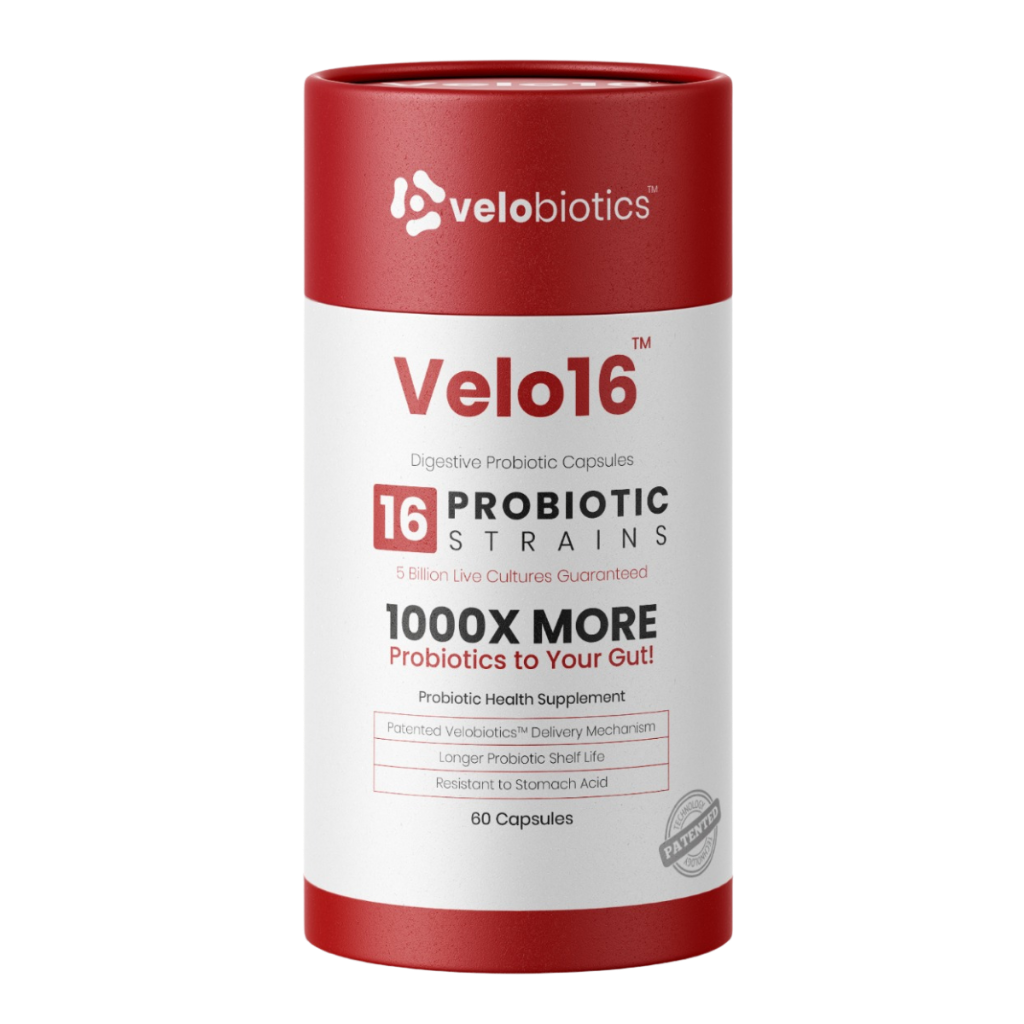
Velo16™ Probiotics + Vitamin C was formulated with precisely this context in mind: multi-strain probiotic diversity to restore and maintain GALT function, combined with a high-potency Vitamin C dose that meets the body's actual demand rather than merely the minimum requirement.
Ready to explore everything we offer? Visit our Shop All Velo16™ Products page, or read more in the Velo16™ Health Journal.
"Optimising gut microbiome diversity and ensuring adequate micronutrient status — particularly Vitamin C — represents the most evidence-based, foundational strategy for supporting immune resilience in general populations." — Dr. Chomba Chuma, MD, Founder of Velo16™
Practical Daily Immune Support Protocol
- Take your probiotic consistently — immune benefits from probiotics require consistent use; sporadic supplementation does not build microbiome diversity
- Pair with Vitamin C daily — not just when you feel unwell; prophylactic supplementation is significantly more effective than reactive dosing
- Feed your microbiome — probiotic bacteria need prebiotic fibre to thrive; prioritise vegetables, legumes, and whole grains
- Minimise microbiome disruptors — unnecessary antibiotic use, ultra-processed foods, chronic stress, and alcohol all deplete the beneficial bacteria your immune system depends on
- Sleep and hydration — gut barrier repair occurs predominantly during sleep; chronic sleep deprivation directly increases intestinal permeability
If you're also interested in how gut health connects to skin immunity, Take the Clear Skin Quiz to see how your gut health might be influencing your complexion.
Frequently Asked Questions
How long does it take for probiotics to improve immune function?
Clinical studies show measurable changes in immune markers — including increased sIgA levels and shifts in immune cell populations — within 2–4 weeks of consistent probiotic supplementation. However, meaningful microbiome diversity changes typically require 8–12 weeks of regular use. Think of it like physical training: you can see early results quickly, but true conditioning takes sustained commitment.
Can I take too much Vitamin C? Is high-dose supplementation safe?
Vitamin C is water-soluble, meaning excess amounts are excreted via urine rather than accumulating to toxic levels in tissues (unlike fat-soluble vitamins A, D, E, and K). The established tolerable upper intake level is 2,000mg per day for adults. At doses above approximately 1,000mg, some individuals experience gastrointestinal discomfort — a phenomenon called "bowel tolerance." Starting at lower doses and titrating up gradually minimises this effect. For most healthy adults, 500–1,000mg daily is both effective and well-tolerated.
What is GALT and why does it matter for my immune health?
GALT stands for gut-associated lymphoid tissue — the dense network of immune cells, antibody-producing cells, and lymphoid structures lining your gastrointestinal tract. It constitutes approximately 70–80% of your entire immune system by cell count. GALT decides which microbes to tolerate, which to attack, and how intensely to respond. Its function is directly regulated by the composition of your gut microbiome, which is why gut health and immune health are essentially the same conversation.
Do I need both probiotics and Vitamin C, or will one alone be sufficient?
Both offer significant benefits independently, but their mechanisms are complementary rather than overlapping. Probiotics work primarily upstream — modulating GALT, increasing sIgA, strengthening the gut barrier, and educating immune cell populations. Vitamin C works at the cellular level — activating and protecting the immune cells that GALT produces and deploys. Furthermore, a healthy, probiotic-supported gut actually enhances Vitamin C absorption. Using both together creates a genuinely synergistic effect that neither achieves alone.
Are Velo16™ probiotics suitable for use after a course of antibiotics?
Yes — in fact, this is one of the most clinically important applications of probiotic supplementation. Antibiotics, while essential for treating bacterial infections, are non-selective and significantly deplete beneficial gut bacteria alongside pathogenic ones. Post-antibiotic dysbiosis can persist for months without intervention. Supplementing with a multi-strain probiotic after a course of antibiotics supports the restoration of microbiome diversity. It is generally recommended to take probiotics 2–3 hours after antibiotic doses to minimise interaction, and to continue for at least 4–8 weeks post-course. Always consult your healthcare provider regarding your specific clinical situation.
Activate Your Immune System From the Inside Out
Your gut is not just a digestive organ. It is the headquarters of your immune system — and its performance depends entirely on what you give it to work with. Velo16™ Probiotics + Vitamin C was formulated specifically to address the gut-immune axis with clinical-grade multi-strain diversity and high-potency Vitamin C in a single, convenient daily supplement.
Don't wait until you're unwell to think about immunity. Build it. Sustain it. Activate it.
→ Explore the Velo16™ Immune Health Collection
→ Shop All Velo16™ Products
→ Read The Velo16™ Science