
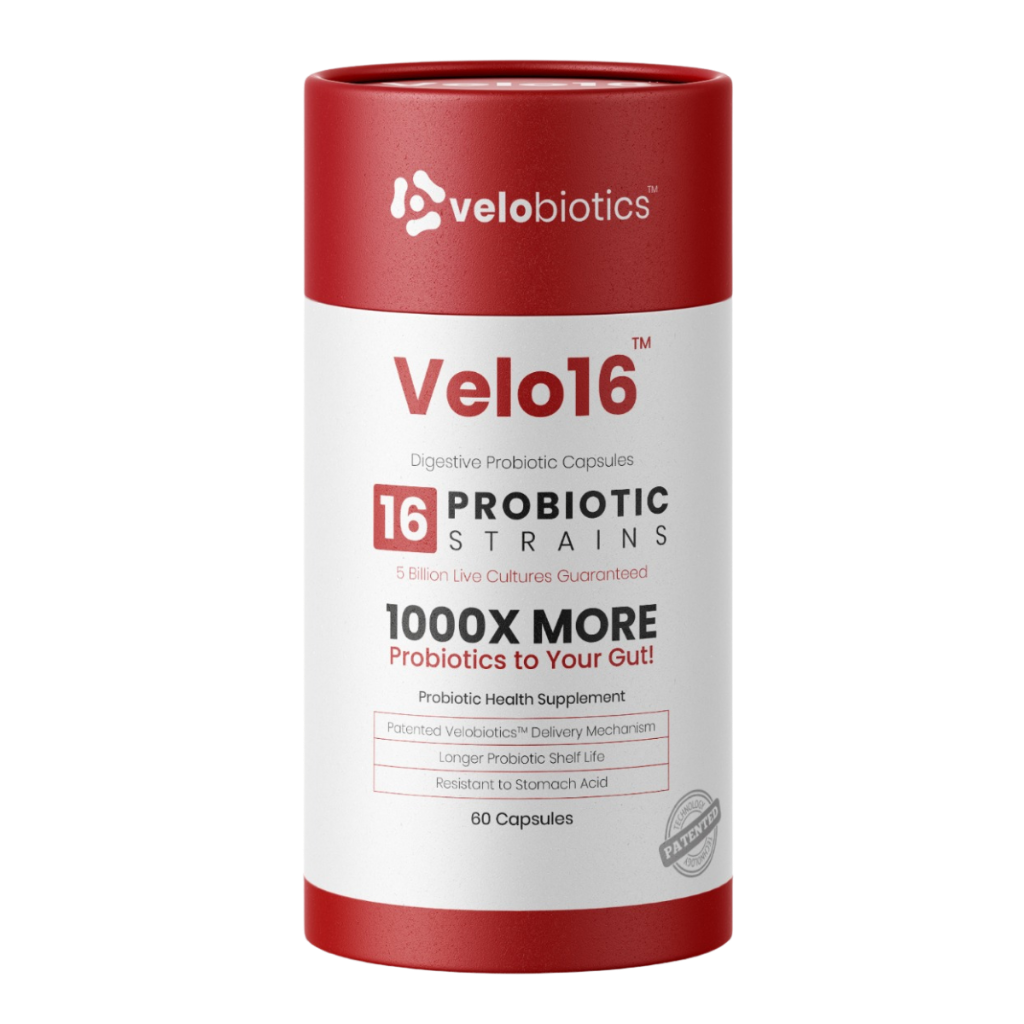
Can Probiotics Help You Lose Weight? What the Clinical Research Actually Shows
By Dr. Chomba Chuma, MD — Founder & Medical Director, Velo16™ | Velo16 Health Journal
If you've spent any time in wellness circles lately — whether in Johannesburg, Cape Town, or anywhere else in South Africa — you've almost certainly heard the buzz around probiotics and weight loss. Social media is flooded with claims. Supplement shelves are packed with products promising metabolic miracles. And patients walk into my practice every week asking the same question: "Dr. Chuma, can probiotics actually help me lose weight?"
My answer is nuanced, evidence-based, and — I believe — far more interesting than a simple yes or no. Because what the clinical research actually shows about probiotics weight loss is a story rooted in microbiology, immunology, and metabolic science. It's a story about the 38 trillion microorganisms living in your gut right now, and the profound influence they have over your waistline, your appetite, and your long-term metabolic health.
In this article, I'm going to walk you through the science honestly — the studies that excite me, the limitations I respect, and the practical lifestyle protocol I recommend to patients who want to use gut microbiome weight strategies as part of a comprehensive approach to managing their body composition. Let's begin.
The Gut Microbiome and Body Weight: A Relationship Decades in the Making
The connection between gut bacteria obesity wasn't discovered overnight. It has been building in the scientific literature since the early 2000s, when landmark animal studies demonstrated something startling: germ-free mice — mice raised without any gut bacteria — remained significantly leaner than their conventionally raised counterparts, even when fed the same diet. When researchers transplanted gut bacteria from obese mice into these lean, germ-free mice, the previously lean animals began gaining fat rapidly.
That single finding changed everything. It told us that the microbiome isn't just a passive tenant in the human body — it's an active metabolic participant.
The Firmicutes-to-Bacteroidetes Ratio: What Your Gut Profile Reveals
Human studies followed quickly. A pivotal 2006 paper published in Nature by Turnbaugh et al. demonstrated that obese humans had a significantly higher ratio of Firmicutes to Bacteroidetes — two of the dominant bacterial phyla in the gut — compared to lean individuals. More importantly, as obese participants lost weight through dietary intervention, this ratio shifted back toward the leaner profile.
What does this mean practically? Certain Firmicutes strains are exceptionally efficient at harvesting energy from food — extracting more calories from the same meal than a leaner microbiome would. If your gut is dominated by these strains, you may be absorbing more calories from your food than the label suggests. This is one of the most compelling early insights into how gut microbiome weight regulation works.
Microbiome Diversity: Why Variety Is the Spice of Metabolic Life
Beyond the Firmicutes-Bacteroidetes story, researchers at Harvard Health Publishing and elsewhere have consistently found that low microbiome diversity is independently associated with increased body fat, insulin resistance, and chronic low-grade inflammation. Think of your gut microbiome like a rainforest: the more species present and thriving, the more resilient and functional the ecosystem becomes. A gut depleted of diversity — often the result of processed food diets, antibiotic overuse, and chronic stress — is a metabolically compromised gut.
"Low microbial gene richness in the gut is associated with increased adiposity, insulin resistance, dyslipidaemia, and a more pronounced inflammatory phenotype compared with high gene richness." — Le Chatelier et al., Nature, 2013
This evidence base forms the scientific rationale for why metabolism probiotics — specifically multi-strain, high-diversity formulations — have become a credible area of weight management research.
How Specific Probiotic Strains Influence Weight-Related Pathways
Not all probiotics are created equal. This is perhaps the most important point I make to every patient. A generic, single-strain probiotic bought off a pharmacy shelf is not the same as a clinically informed, multi-strain formulation designed to target specific metabolic pathways. When evaluating the evidence for probiotics weight loss, strain specificity matters enormously.
Lactobacillus Strains and Fat Accumulation
The Lactobacillus genus has been the most studied in relation to body weight. Results are strain-specific and sometimes contradictory — which is why I always caution against oversimplification. However, certain strains have shown meaningful effects:
- Lactobacillus gasseri SBT2055: A randomised, double-blind, placebo-controlled trial published in the European Journal of Clinical Nutrition (NCBI) found that participants consuming fermented milk containing L. gasseri over 12 weeks showed significant reductions in abdominal visceral fat, BMI, waist circumference, and hip circumference compared to placebo.
- Lactobacillus rhamnosus CGMCC1.3724: A study published in the British Journal of Nutrition (NCBI) found that women taking this strain lost significantly more weight over 24 weeks than the placebo group, and continued losing weight during the weight-maintenance phase while the placebo group regained weight.
- Lactobacillus plantarum: Emerging research suggests this strain may reduce fat mass and improve lipid profiles, partly through its role in reducing gut permeability and systemic inflammation.
Bifidobacterium Strains and Metabolic Regulation
Bifidobacterium species play a crucial role in gut barrier integrity and the production of short-chain fatty acids (SCFAs) — metabolites that have far-reaching effects on appetite regulation and fat storage.
- Bifidobacterium breve B-3: Clinical trials have demonstrated reductions in body fat percentage and improvements in lipid metabolism in overweight subjects.
- Bifidobacterium longum: Associated with reduced body weight and improved glucose tolerance in both animal and human studies, partly through modulation of gut-derived hormones.
The Short-Chain Fatty Acid Connection
One of the most important mechanisms by which beneficial gut bacteria influence weight is through the production of short-chain fatty acids (SCFAs) — primarily butyrate, propionate, and acetate — which are produced when gut bacteria ferment dietary fibre. SCFAs stimulate the release of appetite-suppressing hormones like GLP-1 (glucagon-like peptide-1) and PYY (peptide YY) from gut endocrine cells. They also signal the brain's satiety centres and have been shown to reduce fat storage by inhibiting fat-promoting gene expression in adipose tissue.
"SCFAs produced by the gut microbiota act as signalling molecules that regulate energy homeostasis, appetite, and immune function — representing a critical interface between diet, microbiome, and metabolic health." — Canfora et al., Nature Reviews Endocrinology, 2019
To explore the full mechanistic science behind our formulation, visit The Velo16™ Science page, where I've outlined the research framework behind each strain selection.
Probiotics and Appetite Hormones: Rewiring Your Hunger Signals
One of the most underappreciated mechanisms through which the microbiome influences body weight is hormonal — specifically through its interaction with the gut-brain axis and appetite-regulating hormones. This is where metabolism probiotics research becomes genuinely compelling.
Ghrelin, Leptin, and the Microbiome
Ghrelin is often called the "hunger hormone" — it rises before meals and signals the brain to initiate eating. Leptin is the "satiety hormone" — it signals fullness and suppresses appetite. In individuals with obesity, a state of leptin resistance commonly develops, where the brain stops responding appropriately to leptin's signals despite elevated circulating levels.
Emerging research, including studies referenced by the World Health Organization in its obesity frameworks, highlights chronic low-grade inflammation as a primary driver of leptin resistance — and the gut microbiome as a major regulator of that inflammatory state. A dysbiotic gut increases intestinal permeability, allowing bacterial endotoxins (lipopolysaccharides, or LPS) to enter the bloodstream, triggering systemic inflammation and — in turn — impairing leptin signalling.
By restoring a healthy microbial balance, targeted probiotic supplementation may help reduce this inflammatory load, potentially improving leptin sensitivity over time. This is not a quick fix — it is a systematic recalibration of your metabolic environment.
The Gut-Brain Axis and Cravings
Your gut communicates with your brain via the vagus nerve, the enteric nervous system, and circulating neuroactive compounds — many of which are produced or regulated by gut bacteria. Remarkably, approximately 90% of the body's serotonin is produced in the gut. Certain gut bacteria influence serotonin synthesis, which in turn affects mood, impulse control, and food cravings. A compromised microbiome may literally be driving your cravings for ultra-processed, high-sugar foods — not a lack of willpower.
[INFOGRAPHIC_PLACEHOLDER: "The Gut-Weight Connection: How Your Microbiome Influences Appetite Hormones, Fat Storage & Metabolism" — Visual showing the gut-brain axis, SCFA pathways, hormonal regulation (ghrelin/leptin/GLP-1), and Firmicutes-Bacteroidetes ratio changes with probiotic intervention]What the Clinical Trials Actually Show — A Balanced Assessment
I want to be transparent here, because I believe patients deserve intellectual honesty from their clinicians. The research on probiotics and weight loss is promising — but it is not uniformly conclusive. Let me give you the full picture.
The Positive Evidence
A comprehensive meta-analysis published in the International Journal of Obesity (NCBI) analysed 15 randomised controlled trials and found that probiotic supplementation led to statistically significant reductions in:
- Body weight (mean reduction: approximately 0.6 kg compared to placebo)
- BMI
- Fat percentage
- Waist circumference
Effects were more pronounced in trials using multiple strains versus single strains, and in trials lasting longer than 8 weeks — reinforcing the importance of formulation quality and consistent long-term use.
A separate review in the Journal of Clinical Gastroenterology noted that probiotics appeared most effective as an adjunct to dietary modification and exercise, rather than as a standalone intervention — a finding entirely consistent with functional medicine principles.
The Limitations to Acknowledge
Not all studies show dramatic weight loss. Several trials show modest effects, and heterogeneity between studies — different strains, doses, durations, and populations — makes direct comparisons difficult. I want to be clear: probiotics are not a substitute for a healthy diet and regular physical activity. They are a powerful adjunct, a metabolic amplifier, and a tool for addressing root-cause dysfunction in the gut ecosystem.
The Nature Microbiology research community has called for more standardised, long-term, large-scale RCTs with clearly defined strain compositions — and I agree entirely. The field is young, exciting, and rapidly evolving.
Why Multi-Strain Formulations Matter
Single-strain probiotics act on limited pathways. The gut ecosystem is vastly complex — involving thousands of species interacting in dynamic webs. Multi-strain, high-diversity formulations are more likely to produce clinically meaningful shifts in the microbiome's metabolic output. This is the foundational design principle behind the Velo16™ Weight Management Collection — a carefully curated combination of clinically studied strains at therapeutic doses, designed to work synergistically across multiple weight-related pathways simultaneously.
The Velo16™ Lifestyle Protocol: Maximising Your Results
In my clinical practice, I've found that patients who integrate probiotic supplementation into a broader, microbiome-supportive lifestyle protocol achieve dramatically better outcomes than those who take a supplement in isolation. Here is the framework I recommend — and what I personally practise.
1. Feed Your Probiotics: The Prebiotic Foundation
Probiotics need fuel. Prebiotics — non-digestible fibres that selectively feed beneficial gut bacteria — are essential for allowing introduced probiotic strains to colonise and thrive. South African diets are often fibre-deficient due to high consumption of refined starches and processed foods. Prioritise:
- Jerusalem artichokes, garlic, onions, and leeks (rich in inulin and FOS)
- Green bananas and cooked-then-cooled potatoes (resistant starch)
- Legumes: lentils, chickpeas, and sugar beans (a South African staple that deserves a comeback)
- Oats and barley (beta-glucan fibre)
2. Diversify Your Plate for Microbiome Diversity
Research consistently shows that eating 30+ different plant foods per week is associated with significantly greater gut microbiome diversity. This doesn't require exotic superfoods — it means rotating your vegetables, adding herbs and spices (which count), and choosing variety over convenience. Rooibos tea, in particular, contains polyphenols that act as prebiotics and have antioxidant properties relevant to metabolic health — a locally available gem.
3. Eliminate Microbiome Disruptors
You cannot build a healthy gut while simultaneously destroying it. Common microbiome disruptors include:
- Ultra-processed foods and artificial sweeteners (particularly sucralose and saccharin, which have been shown to alter gut bacteria adversely)
- Unnecessary antibiotic use — always discuss alternatives with your doctor when appropriate
- Chronic psychological stress (elevates cortisol, which increases gut permeability)
- Chronic alcohol consumption
- Sedentary behaviour (exercise has been shown to independently increase microbiome diversity)
4. Optimise Sleep — Your Gut's Restoration Window
The gut microbiome follows a circadian rhythm. Disrupted sleep alters microbial composition in ways that promote fat storage and impair glucose metabolism. Aim for 7–9 hours of consistent, quality sleep. This is non-negotiable in any weight management protocol I design for patients.
5. Take Your Probiotics Strategically
For best results, take your probiotic supplement 20–30 minutes before a meal. This timing protects the live bacteria from full stomach acid exposure and improves colonisation rates. Consistency matters far more than timing perfection — daily use over at least 8–12 weeks is necessary to observe meaningful microbiome shifts. Browse the full range and find your ideal formulation at Shop All Velo16™ Products.
Probiotic Weight Management in the South African Context
South Africa faces a significant and growing obesity epidemic. According to the World Health Organization, over 68% of South African women and 31% of men are classified as overweight or obese. The burden of type 2 diabetes, hypertension, and metabolic syndrome is escalating rapidly — driven in part by urbanisation, dietary transition, and high stress loads. Probiotic weight management South Africa is not just a wellness trend here — it is a genuine public health opportunity.
Accessible, evidence-based microbiome support, integrated with culturally appropriate dietary guidance, represents one of the most promising frontiers in preventive medicine for South Africans. It is a core part of why I founded Velo16™. Explore everything we publish on this topic at the Velo16™ Health Journal.
Frequently Asked Questions
How long does it take for probiotics to help with weight loss?
Clinical studies suggest that meaningful microbiome shifts begin occurring within 2–4 weeks of consistent supplementation, but most body composition studies showing significant results run for 8–24 weeks. I recommend committing to at least a 12-week protocol before assessing outcomes. Weight management is a long-game — microbiome rebalancing is too.
Can I take probiotics if I'm on medication for weight management or diabetes?
In most cases, yes — but I always recommend consulting your prescribing physician before adding any supplement if you're on chronic medication, particularly medications that affect gut motility, glucose metabolism, or immune function. As a functional medicine physician, I integrate probiotics into comprehensive protocols — never in isolation from your full medical picture.
Are all probiotics the same for weight loss?
Absolutely not. Strain specificity is critical. The research showing weight-related benefits applies to specific strains at specific doses — not to generic, low-count, single-strain products. Look for multi-strain formulations with clinically studied strains (such as L. gasseri, L. rhamnosus, B. breve, and B. longum), delivered at doses of at least 10–50 billion CFU, in enteric-coated or otherwise acid-protected capsules.
Do I need to change my diet for probiotics to work?
For optimal results — yes. Probiotics introduced into a gut environment still dominated by processed foods, low fibre, and high sugar will have limited colonisation success. The dietary protocol I've outlined above — particularly increasing prebiotic fibre — is essential for giving your introduced strains the substrate they need to thrive and produce metabolically beneficial outputs like SCFAs.
Is probiotic supplementation safe for long-term use?
For the vast majority of healthy adults, daily probiotic supplementation with well-characterised strains is considered safe for long-term use. Extensive safety data exists for the major Lactobacillus and Bifidobacterium species. Individuals who are severely immunocompromised, critically ill, or have compromised gut barriers should seek specific medical guidance before supplementing. For healthy South African adults looking to support their weight management journey, long-term use is both safe and scientifically supported.
Ready to Support Your Weight Management Journey From the Inside Out?
The science is clear: your gut microbiome is one of the most powerful levers you can pull in your weight management strategy. With the right strains, the right doses, and the right lifestyle protocol, you can begin shifting your metabolic environment in meaningful ways — starting in your gut.
Velo16™ Probiotics + Metabolism Boost was formulated using the clinical evidence I've described in this article — multi-strain, therapeutically dosed, and designed specifically for the metabolic challenges South Africans face today.
- ✅ Clinically studied Lactobacillus and Bifidobacterium strains at therapeutic doses
- ✅ Specifically formulated to support healthy weight management alongside diet and exercise
- ✅ Designed by a functional medicine physician for real-world, sustainable results
- ✅ Made to the highest quality standards — because your gut deserves the best
Explore the Velo16™ Weight Management Collection →
Not sure where to start? Your gut health and your skin health are deeply connected — discover your personal gut-skin profile with our Take the Clear Skin Quiz.