
Can Probiotics Help You Lose Weight? What the Clinical Research Actually Shows
By Dr. Chomba Chuma, MD | Velo16™ Health Journal | Functional Medicine & Gut Health
Walk into any pharmacy or health store in South Africa right now and you will find an entire shelf dedicated to probiotics promising everything from better digestion to clearer skin. But increasingly, the question I hear most often in my Johannesburg practice is this: "Dr. Chuma, can probiotics actually help me lose weight?"
It is a fair question — and one that deserves a serious, evidence-based answer rather than marketing hype. Over the past decade, the science connecting gut microbiome weight regulation has moved from fringe curiosity to one of the most actively researched frontiers in metabolic medicine. The findings are, frankly, remarkable. But they come with important nuances that most supplement companies conveniently leave out.
In this article, I am going to walk you through what the clinical research actually shows about probiotics weight loss, which specific bacterial strains matter, how your gut bacteria influence appetite hormones and fat storage, and the lifestyle protocol I use with my own patients to maximise results. This is not a sales pitch. This is the science — presented honestly, so you can make an informed decision.
Explore the Velo16™ Health Journal for more evidence-based articles on gut health, immunity, and metabolic wellness.
---1. The Gut Microbiome and Body Weight: Understanding the Connection
Your gut is home to approximately 38 trillion microorganisms — bacteria, fungi, viruses, and archaea — collectively known as the gut microbiome. This microbial ecosystem weighs roughly 1.5 kilograms and performs metabolic functions so complex that scientists now refer to it as a "virtual organ."
The idea that gut bacteria obesity risk might be linked was first thrust into mainstream science by a landmark 2006 study published in Nature, in which researchers from Washington University showed that obese mice had a distinctly different microbial composition compared to lean mice — specifically, a higher ratio of Firmicutes to Bacteroidetes. More strikingly, when they transplanted the gut bacteria of obese mice into germ-free (sterile) mice, those previously lean animals began to gain significantly more body fat — without any change in diet.
That single experiment changed the conversation permanently.
What Does Microbiome Diversity Have to Do With Weight?
Subsequent human studies confirmed what the animal data suggested. A 2012 study published in Nature involving 123 non-obese and 169 obese individuals found that people with low gut microbial gene richness — essentially, less microbial diversity — had significantly higher adiposity, insulin resistance, dyslipidaemia, and a more pronounced inflammatory profile. They also gained weight more easily over time.
The message is clear: a diverse, balanced microbiome is not just good for digestion. It is metabolically protective.
"People with reduced microbial diversity had more body fat, were more insulin-resistant, and had a more pronounced inflammatory phenotype compared to individuals with higher microbial gene richness."
— Nature, 2012 | Gut Microbiota in Human Adults with Type 2 Diabetes Differs from Non-Diabetic Adults
Why South Africans May Be Especially Vulnerable
Here in South Africa, data from the World Health Organization indicates that over 68% of South African women and 31% of South African men are overweight or obese — among the highest rates on the African continent. Urbanisation, ultra-processed food consumption, high antibiotic use, and chronic psychological stress are all documented disruptors of gut microbial diversity. These are not abstract risk factors; they describe the lived reality of millions of South Africans managing their weight every day.
---2. How Specific Probiotic Strains Influence Appetite, Fat Storage, and Metabolism
Not all probiotics are created equal. This point cannot be stressed enough. When we talk about metabolism probiotics, we are talking about specific, well-researched bacterial strains that influence distinct biological pathways. Let us break down the key mechanisms.
Lactobacillus gasseri: The Most Studied Strain for Abdominal Fat
Lactobacillus gasseri is arguably the most compelling probiotic strain for weight management based on human clinical data. A randomised, double-blind, placebo-controlled trial published in the British Journal of Nutrition (2013) found that adults who consumed fermented milk containing L. gasseri SBT2055 for 12 weeks experienced a statistically significant reduction in abdominal visceral fat (by approximately 8.5%), subcutaneous fat, waist circumference, and body weight — compared to placebo. When the probiotic was discontinued, the effects reversed. This tells us the bacteria were doing real, measurable work.
Lactobacillus rhamnosus: The Appetite-Hormone Modulator
Lactobacillus rhamnosus CGMCC1.3724 was studied in a high-quality randomised controlled trial published in the British Journal of Nutrition (2014) over 24 weeks in obese men and women following a calorie-restricted diet. Women in the probiotic group lost significantly more weight than those in the placebo group — and continued losing weight during the weight-maintenance phase. The proposed mechanism involved modulation of leptin sensitivity. Leptin is the satiety hormone that tells your brain you are full. When leptin signalling is impaired — a condition called leptin resistance — the brain never receives the "stop eating" signal, driving overconsumption.
Bifidobacterium lactis: Inflammation, Insulin, and Fat Metabolism
Bifidobacterium lactis strains have demonstrated consistent effects on reducing low-grade systemic inflammation — specifically by lowering circulating lipopolysaccharides (LPS), toxic compounds produced by harmful gut bacteria that leak through a compromised gut lining (intestinal permeability, or "leaky gut"). Elevated LPS triggers chronic inflammation, which directly impairs insulin signalling and promotes fat storage. A study in Diabetes Care (2010) demonstrated that improving gut barrier integrity through probiotics reduced metabolic endotoxaemia — a key driver of obesity-related insulin resistance.
Short-Chain Fatty Acids: The Hidden Mechanism Most People Miss
One of the most important yet underappreciated ways the microbiome regulates weight is through the production of short-chain fatty acids (SCFAs) — primarily butyrate, propionate, and acetate — generated when beneficial bacteria ferment dietary fibre. SCFAs signal to the gut lining to release GLP-1 and PYY, two powerful appetite-suppressing hormones. They also improve insulin sensitivity and reduce hepatic fat accumulation. A comprehensive review in Nature Microbiology outlined the central role of SCFA-producing bacteria in metabolic homeostasis, underscoring the importance of microbiome composition — not just calorie counting — in long-term weight regulation.
--- [INFOGRAPHIC_PLACEHOLDER: "The Gut-Weight Connection: How Probiotic Strains Influence Fat Storage, Appetite Hormones, and Metabolic Health" — Visual showing 5 key bacterial strains (L. gasseri, L. rhamnosus, B. lactis, B. longum, L. acidophilus) with arrows connecting each to their primary mechanism: visceral fat reduction, leptin sensitivity, LPS reduction, SCFA production, and insulin signalling improvement.] ---"The gut microbiota influences host energy balance through multiple mechanisms including modulation of appetite-regulating hormones, short-chain fatty acid production, and inflammatory pathways — all of which contribute to the development or prevention of obesity."
— Nature Microbiology, Microbiota-Accessible Carbohydrates Broaden the Range of Microbiomes Responding to Intervention
3. What the Systematic Reviews and Meta-Analyses Actually Conclude
Individual studies are informative. But the most powerful evidence in medicine comes from systematic reviews and meta-analyses — studies that pool data from multiple trials to identify consistent patterns. Here is what the highest-quality evidence tells us about probiotic weight management:
The 2019 Meta-Analysis: A Turning Point
A comprehensive meta-analysis published in the International Journal of Obesity analysed 27 randomised controlled trials involving over 1,900 participants and found that probiotic supplementation produced statistically significant reductions in:
- Body weight (mean reduction: approximately 0.60 kg)
- Body Mass Index (BMI)
- Fat percentage
- Waist circumference
While these numbers may appear modest in isolation, researchers noted that the effects were more pronounced in studies using multiple strains simultaneously, higher doses (above 10 billion CFU), and longer durations (beyond 8 weeks). This is critical context for choosing the right product.
Harvard Health Publishing's Position
In a widely-cited review, Harvard Health Publishing acknowledged that emerging evidence supports a role for probiotics in metabolic health but emphasised that results depend heavily on strain selection, dosage, and the individual's baseline microbiome composition. This aligns precisely with what I observe clinically: probiotics are not a one-size-fits-all intervention. Context matters enormously.
The Honest Caveat: Probiotics Are Not Magic Pills
I want to be completely transparent with you. No responsible clinician or researcher claims that probiotics alone will produce dramatic weight loss in the absence of dietary and lifestyle change. The studies that show the most meaningful results consistently pair probiotic supplementation with dietary improvement. What probiotics do — and do exceptionally well when correctly formulated — is shift the biological terrain in favour of weight loss by improving hormone signalling, reducing inflammation, enhancing gut barrier integrity, and improving insulin sensitivity. They make your other efforts more effective. That is their true clinical value.
To understand the full science behind our formulations, visit The Velo16™ Science page.
---4. The Clinical Profile of Velo16™ Probiotics + Metabolism Boost
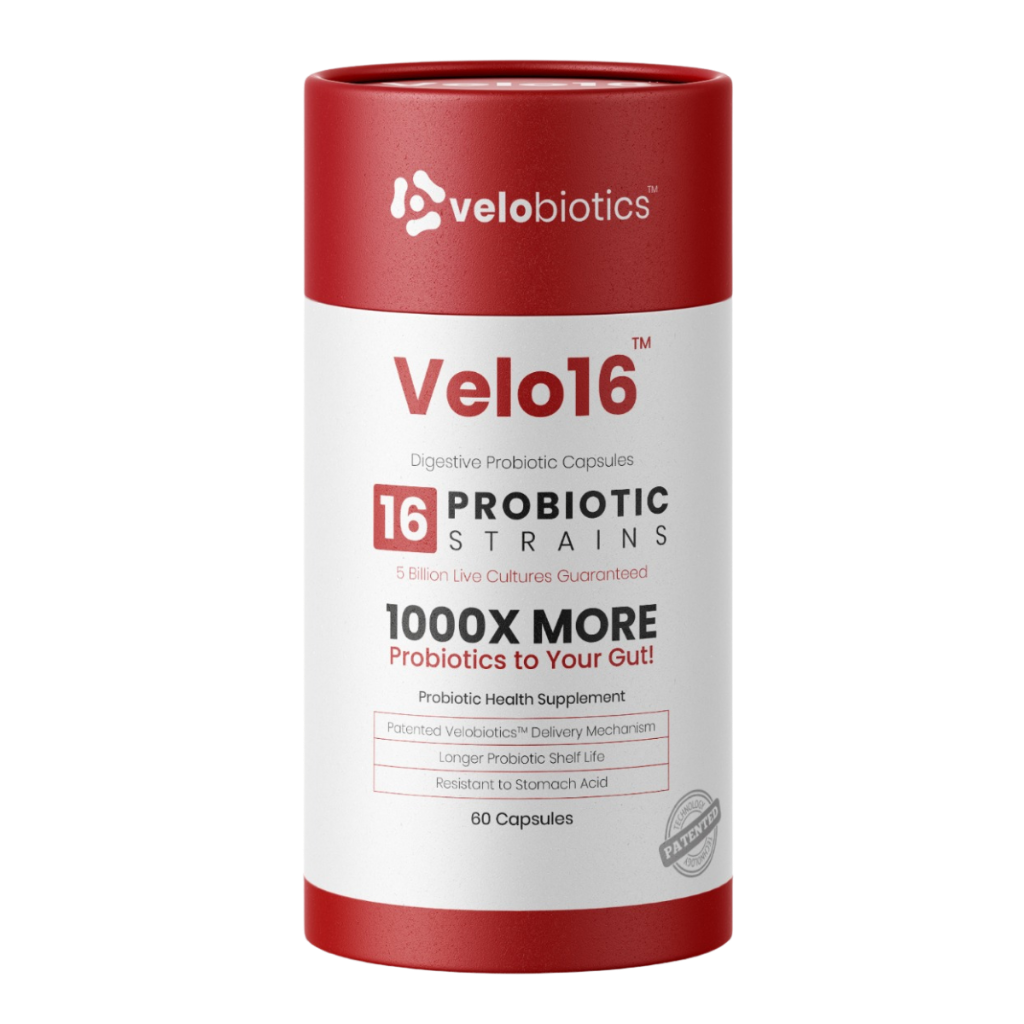
When I developed the Velo16™ Probiotics + Metabolism Boost formulation, my mandate was simple: build a product that reflects the clinical evidence honestly, uses strains validated in human trials, and delivers a dose that is physiologically meaningful.
Why Multi-Strain Formulations Outperform Single-Strain Products
The research is unambiguous on this point. A review in the Journal of Clinical Gastroenterology confirmed that multi-strain probiotic combinations consistently outperform single-strain products across metabolic outcomes. The reason is ecological: the gut is a complex ecosystem, and different strains occupy different niches, perform different functions, and synergistically reinforce each other's colonisation and activity.
The Velo16™ Weight Management formulation includes targeted strains chosen specifically for their documented roles in:
- Visceral and subcutaneous fat reduction (L. gasseri)
- Appetite hormone regulation and leptin sensitivity (L. rhamnosus)
- Gut barrier integrity and LPS reduction (B. lactis)
- SCFA production and insulin sensitivity (B. longum)
- Systemic inflammation reduction (L. acidophilus)
The Metabolism Boost Complex: Going Beyond Probiotics
What differentiates the Velo16™ formulation is the integration of prebiotic fibres (specifically inulin and FOS — fructooligosaccharides) that selectively feed the probiotic strains and amplify SCFA production. This is a synbiotic approach — combining probiotics and prebiotics in one formulation — which clinical research consistently shows produces superior outcomes compared to probiotics alone.
Additionally, the formulation incorporates chromium picolinate at clinically relevant doses to support glucose metabolism, and green tea extract standardised for EGCG — a compound with documented thermogenic and insulin-sensitising properties.
Explore the complete Velo16™ Weight Management Collection to understand the full range of tools available for your metabolic health journey.
---5. The Lifestyle Protocol to Maximise Probiotic Weight Loss Results
In my clinical practice, I have seen patients transform their metabolic health by pairing the right probiotic supplement with a targeted lifestyle protocol. Here is the framework I use — evidence-based, practical, and adapted for South African lifestyles.
Step 1: Feed Your Bacteria First
Probiotics need fuel. Without adequate prebiotic fibre in the diet, even the best probiotic supplement will have limited impact. Prioritise these high-prebiotic South African food sources:
- Sweet potato (umqhaphu) — excellent source of inulin and resistant starch
- Chicory root (often available as a coffee substitute)
- Leeks, garlic, and onion — some of the richest prebiotic sources globally
- Green bananas — high in resistant starch, particularly potent for SCFA production
- Legumes: lentils, sugar beans, cowpeas — staple South African foods that happen to be exceptional prebiotics
Step 2: Eliminate the Microbiome Disruptors
You cannot build a healthy microbiome while simultaneously destroying it. The most damaging dietary disruptors — all of which are dramatically overrepresented in South African urban diets — include:
- Ultra-processed foods high in emulsifiers (polysorbate 80, carboxymethylcellulose) — shown to directly damage the gut mucus layer
- Refined sugar and high-fructose corn syrup — selectively feeds pathogenic bacteria
- Excessive alcohol — reduces Lactobacillus and Bifidobacterium populations within days
- Unnecessary antibiotic use — a single course can reduce microbial diversity by up to 30%, with effects lasting months
Step 3: Prioritise Sleep and Stress Management
This is the step most people underestimate. Chronic psychological stress elevates cortisol, which directly alters gut motility, increases intestinal permeability, and suppresses beneficial bacterial populations. Research from NCBI (2019) demonstrated that sleep deprivation of just two days was sufficient to measurably alter gut microbiome composition in healthy adults. Aim for 7–9 hours of quality sleep. Incorporate stress-reduction practices — even 10 minutes of daily diaphragmatic breathing has measurable cortisol-lowering effects.
Step 4: Time Your Supplementation Strategically
Based on the available evidence, I recommend taking Velo16™ Probiotics + Metabolism Boost with the largest meal of the day — typically lunch or dinner. Food consumption creates a buffering effect in the stomach that protects probiotic bacteria from gastric acid, improving viable delivery to the small intestine and colon. Consistency matters more than perfection: daily use over a minimum of 8–12 weeks is where the clinical evidence shows meaningful metabolic benefit.
Step 5: Move — Preferably Outdoors
Exercise independently increases gut microbial diversity. A landmark study published in Gut (2018) found that professional athletes had significantly more diverse microbiomes compared to sedentary controls, independent of diet. The exercise-microbiome connection appears to be mediated through butyrate-producing bacteria — creating a virtuous cycle where exercise promotes the exact microbial populations that improve metabolism and reduce fat storage.
Ready to take action? Shop All Velo16™ Products and find the right formulation to support your health goals.
---Frequently Asked Questions
How long does it take for probiotics to show weight loss results?
Based on the clinical evidence, most studies showing meaningful metabolic outcomes ran for a minimum of 8–12 weeks. This is because meaningful changes in microbiome composition, gut barrier integrity, and hormone signalling take time to develop. Some patients report improvements in bloating, energy, and appetite regulation within 2–4 weeks, but for measurable changes in body composition, consistency over 2–3 months is the realistic expectation. Do not be discouraged by modest early results — the compound effect over time is where the real benefit lies.
Which probiotic strains are most effective for weight loss?
The strains with the strongest human clinical evidence for weight and fat management are Lactobacillus gasseri (particularly for visceral fat reduction), Lactobacillus rhamnosus (for appetite hormone modulation and sustained weight loss), and Bifidobacterium lactis (for gut barrier integrity and inflammation reduction). Multi-strain formulations consistently outperform single-strain products in meta-analyses. This is why the Velo16™ Weight Management formulation uses a targeted combination of five clinically validated strains rather than a single organism.
Can I take probiotics for weight loss if I am already on medication?
For most healthy adults, high-quality probiotic supplements are safe alongside standard medications. However, if you are immunocompromised, taking immunosuppressive medications, or managing a serious gastrointestinal condition, you should consult your physician before starting any probiotic supplement. It is also worth noting that certain antibiotics will temporarily reduce the efficacy of probiotic supplementation — if you are on a course of antibiotics, take your probiotic 2–3 hours apart from the antibiotic dose to minimise this interaction.
Is probiotic weight management relevant for South African adults specifically?
Absolutely — and arguably more so than in many other populations. South Africa faces a dual burden of malnutrition and obesity, with urbanised diets increasingly high in ultra-processed foods, refined carbohydrates, and low in microbiome-supporting fibre. Combined with high rates of antibiotic use and chronic stress, many South Africans have significantly compromised gut microbiome diversity. Probiotic weight management South Africa is not just a supplement trend — it is a clinically relevant strategy for addressing the metabolic consequences of modern South African dietary and lifestyle patterns.
Do I need to change my diet for probiotics to work for weight loss?
Probiotics will provide some benefit even without dietary changes — the clinical trials that show weight loss results do include participants eating their normal diets. However, the studies showing the most significant outcomes consistently involve participants who also improve dietary fibre intake and reduce ultra-processed food consumption. Think of probiotics as a powerful biological leverage tool: they work on their own, but they work dramatically better when you also provide the prebiotic fuel they need to thrive. A diet rich in vegetables, legumes, and whole grains creates the conditions for your probiotic investment to deliver maximum returns.
Ready to Support Your Weight Management Journey With Clinical Science?
The evidence is clear: a healthy, diverse gut microbiome is one of the most powerful — and most overlooked — tools in sustainable weight management. The right probiotic strains, in the right doses, supported by a gut-friendly lifestyle, can meaningfully shift your metabolic biology in favour of fat loss, improved insulin sensitivity, and better appetite regulation.
At Velo16™, every formulation is built on peer-reviewed science — not marketing trends. The Velo16™ Probiotics + Metabolism Boost was developed specifically for adults serious about addressing the biological root causes of weight gain, not just the symptoms.
- ✅ Five clinically validated probiotic strains targeting weight-specific pathways
- ✅ Synbiotic formula with prebiotic support for maximum SCFA production
- ✅ Metabolism Boost Complex with chromium and green tea extract
- ✅ Formulated for South African adults, by a South African physician
- ✅ Minimum 10 billion CFU per serving — a dose that reflects the research
Explore the Velo16™ Weight Management Collection →
Shop All Velo16™ Products →
Not sure where to start? Take the Clear Skin Quiz to discover which Velo16™ formulation is right for your unique health profile.