
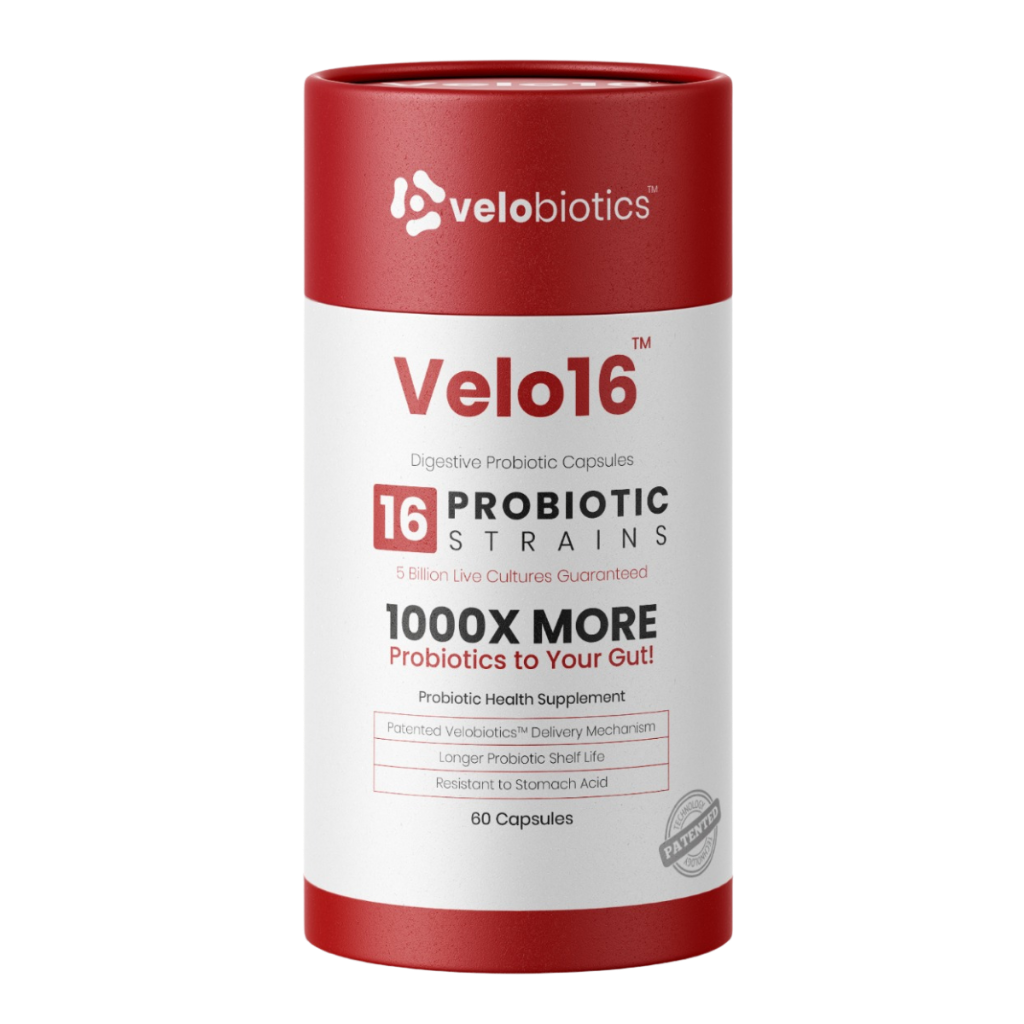
Elite Athletes' Secret Weapon: How Probiotics Accelerate Recovery and Boost Performance
By Dr. Chomba Chuma, MD | Velo16™ Health Journal | Functional Medicine & Gut Health
Every competitive athlete — from the weekend trail runner tackling the Comrades route to the professional rugby player grinding through pre-season — is looking for a legal, evidence-based edge. For decades, the conversation centred on protein timing, carbohydrate periodisation, and sleep optimisation. But an increasingly robust body of research is pointing to a different frontier entirely: the gut microbiome. Specifically, probiotics sports performance science is revealing that the trillions of bacteria living in your digestive tract may hold the key to faster recovery, reduced inflammation, and measurable gains in endurance and strength.
As a functional medicine physician and the founder of Velo16™, I have spent years translating the science of the microbiome into practical, clinical solutions for South African athletes and health-conscious individuals. What I am about to share with you is not marketing hype — it is peer-reviewed science that is quietly reshaping how elite sports teams around the world approach recovery and performance. Welcome to the gut-performance revolution.
The Gut-Performance Connection: Why Your Microbiome Is an Athletic Asset
Most people think of the gut as simply the place where food gets digested. In reality, your gastrointestinal tract is the body's most sophisticated interface between the outside world and your internal physiology. It houses approximately 70% of your immune system, produces neurotransmitters that influence mood and motivation, and — critically for athletes — regulates systemic inflammation.
Research published in Nature Microbiology has shown that the gut microbiome composition differs significantly between elite athletes and sedentary individuals. Athletes tend to harbour greater microbial diversity, with higher populations of bacteria like Veillonella atypica, which has been shown to convert lactate — the byproduct of intense exercise — into propionate, a short-chain fatty acid that directly fuels muscle performance and reduces fatigue.
"The microbiome is not a passive bystander in athletic performance. It is an active metabolic organ that can be trained and optimised, just like skeletal muscle." — Emerging consensus in sports microbiome research, 2023
For gut health athletes, this means that neglecting the microbiome is no different from neglecting strength training. The good news? Unlike genetics, your microbiome is highly modifiable. And probiotics — defined by the World Health Organization as "live microorganisms that, when administered in adequate amounts, confer a health benefit on the host" — are one of the most evidence-backed tools available for optimising it.
What Happens to the Gut During Intense Exercise?
Here is something that surprises many of my patients: exercise, despite being broadly beneficial for health, creates significant physiological stress on the gastrointestinal tract. During high-intensity or prolonged physical activity, blood is redirected away from the gut toward working muscles and the heart. This creates a state of ischaemia-reperfusion injury in the gut lining, triggering oxidative stress and localised inflammation.
The result? A phenomenon increasingly known as exercise-induced gut permeability — or, colloquially, "leaky gut." The tight junctions between intestinal epithelial cells loosen, allowing lipopolysaccharides (LPS) from gram-negative bacteria to translocate into the bloodstream. This bacterial endotoxin triggers a systemic inflammatory response that manifests as fatigue, immune suppression, and impaired recovery.
A landmark study in the Journal of Clinical Gastroenterology confirmed that endurance athletes — particularly those training in South Africa's heat — show measurable elevations in intestinal permeability markers following prolonged effort. This is not a minor inconvenience; it is a physiological bottleneck that limits how fast you can recover and how hard you can train the next day.
Exercise-Induced Gut Permeability: The Hidden Performance Killer
Let us go deeper into this mechanism, because understanding it is essential for appreciating why probiotics exercise science has become so exciting.
The Leaky Gut-Inflammation Cascade in Athletes
When LPS enters systemic circulation, it binds to toll-like receptor 4 (TLR4) on immune cells, activating a pro-inflammatory cascade involving cytokines such as TNF-α, IL-1β, and IL-6. While acute, short-lived inflammation is a normal and necessary part of training adaptation, chronically elevated cytokines are destructive. They:
- Accelerate muscle protein breakdown
- Impair satellite cell activation needed for muscle repair
- Disrupt sleep architecture, reducing growth hormone secretion
- Suppress immune function, increasing susceptibility to upper respiratory infections
- Contribute to central fatigue through neuroinflammatory pathways
This explains why so many dedicated athletes hit a wall — not from lack of effort or insufficient nutrition, but from a gut-mediated inflammatory burden that their training programme never addresses.
The South African Athletic Context
For South African athletes, this challenge is compounded. Training in high ambient temperatures — whether on Johannesburg's highveld or along the Cape's coastal routes — accelerates gut permeability. Heat stress independently compromises intestinal barrier integrity, and the combination of heat plus exertion creates a significantly greater inflammatory burden than training in temperate conditions. This makes targeted gut support not just beneficial for endurance athletes gut health, but arguably essential in our local climate.
It is a reality I see regularly in my Johannesburg practice: dedicated athletes who eat well, sleep adequately, and train intelligently, yet struggle with persistent fatigue, frequent illness, and recovery that simply will not keep pace with their training load. More often than not, the gut is the missing piece.
How Probiotics Repair the Gut Barrier and Reduce Inflammation
This is where the science of probiotic muscle recovery becomes genuinely remarkable. Multiple well-designed human trials have demonstrated that specific probiotic strains — particularly when combined in multi-strain formulations — can measurably restore gut barrier integrity, reduce circulating inflammatory markers, and accelerate the physiological processes that underpin recovery.
Strengthening Tight Junctions
Certain Lactobacillus and Bifidobacterium strains produce compounds that upregulate the expression of tight junction proteins, specifically claudin-1, occludin, and zonula occludens-1 (ZO-1). These proteins are the molecular "cement" that keeps the intestinal wall intact under physiological stress. Research indexed on PubMed/NCBI has shown that Lactobacillus rhamnosus GG supplementation significantly attenuated exercise-induced increases in intestinal permeability markers in marathon runners over a four-week supplementation period.
Modulating the Inflammatory Response
Probiotic bacteria communicate with intestinal immune cells to shift the balance from pro-inflammatory Th1/Th17 responses toward anti-inflammatory regulatory T-cell activity. They also stimulate the production of secretory IgA (sIgA), the primary mucosal antibody that acts as the gut's first line of immunological defence.
A 2019 randomised controlled trial published in Nutrients found that athletes supplementing with a multi-strain probiotic for 14 weeks showed a 33% reduction in upper respiratory tract infection incidence compared to placebo — a profound finding given how frequently hard training suppresses immune function.
Short-Chain Fatty Acid Production
Probiotic bacteria ferment dietary fibre into short-chain fatty acids (SCFAs) — principally butyrate, propionate, and acetate. Butyrate is the primary fuel for colonocytes (gut lining cells) and is essential for maintaining barrier integrity. Propionate, as mentioned earlier in the context of Veillonella, has direct ergogenic properties. Acetate serves as a substrate for lipid metabolism that supports sustained energy production during endurance efforts.
Understanding this biochemistry helps explain why a daily probiotic is not simply a digestive supplement — it is a foundational metabolic intervention for any athlete serious about performance.
To understand the full scientific rationale behind our formulation approach, visit The Velo16™ Science page where we break down the research behind every strain we select.
[INFOGRAPHIC_PLACEHOLDER: "The Gut-Performance Pathway — From Exercise-Induced Permeability to Probiotic-Mediated Recovery: A Visual Guide to the Microbiome-Muscle Connection"]
Probiotics and DOMS: What the Clinical Evidence Shows
Delayed-onset muscle soreness (DOMS) is the post-exercise pain and stiffness that peaks 24-72 hours after unaccustomed or high-intensity exercise. It is driven by micro-tears in muscle fibres, localised inflammation, and oxidative stress. For competitive athletes, DOMS is not just uncomfortable — it is a performance limiter that constrains training frequency and quality.
Clinical Trials in Strength and Endurance Athletes
A pivotal study published in the Journal of the International Society of Sports Nutrition investigated the effect of Bacillus coagulans MTCC 5856 supplementation on DOMS in resistance-trained men following eccentric exercise. The probiotic group demonstrated:
- Significantly lower perceived muscle soreness scores at 24, 48, and 72 hours post-exercise
- Faster restoration of peak torque (a measure of muscle function) compared to placebo
- Reduced serum creatine kinase levels — a biomarker of muscle damage
Similarly, a trial in endurance runners using a combination of Lactobacillus acidophilus and Bifidobacterium longum showed that eight weeks of supplementation reduced post-race inflammatory cytokine elevations by approximately 27%, with athletes reporting subjectively faster return-to-training readiness.
The Protein Absorption Advantage
An often-overlooked dimension of how probiotics sports performance science intersects with muscle recovery is nutrient absorption. A healthy, diverse microbiome significantly enhances the bioavailability of dietary amino acids, including the branched-chain amino acids (BCAAs) leucine, isoleucine, and valine that are critical for muscle protein synthesis.
Harvard Health Publishing has highlighted research demonstrating that probiotic supplementation improves protein absorption efficiency — meaning athletes can extract more muscle-building nutrition from the same dietary intake. In a sport context where every marginal gain matters, this is significant.
Probiotic Timing and Dosing for Recovery
Based on the available evidence, here is what the research suggests for optimal probiotic use in an athletic context:
- Minimum effective duration: Most studies showing performance benefits used supplementation periods of 4-16 weeks. Do not expect overnight results — microbiome shifts take time.
- Timing: Taking probiotics with a meal appears to improve survival through the gastric acid environment. Morning supplementation with breakfast is a practical approach.
- Strain diversity: Multi-strain formulations consistently outperform single-strain products in both gut barrier and inflammatory outcomes. This is why Velo16™ Probiotics + Sport Recovery uses a clinically-dosed, multi-strain matrix.
- CFU count: Therapeutic benefit in athletic populations has been demonstrated with doses ranging from 1 billion to 50 billion CFU daily. Higher is not always better — strain specificity matters more than raw numbers.
- Consistency: Benefits diminish when supplementation stops. Incorporate probiotics as a daily habit, not a short-term intervention.
Performance Gains in Elite Athlete Studies: The Data That Demands Attention
Beyond recovery, a growing body of research is documenting direct performance outcomes from probiotic supplementation. This is where the conversation moves from "gut health is important" to "probiotics can make you faster, stronger, and more resilient."
VO₂ Max and Endurance Capacity
A study in the International Journal of Sports Nutrition and Exercise Metabolism found that distance runners supplementing with Lactobacillus fermentum for 11 weeks showed a significant increase in VO₂ max compared to placebo, alongside reduced training-related illness days. The mechanism proposed involved improved iron absorption (relevant to oxygen-carrying capacity) and reduced inflammatory interference with mitochondrial biogenesis.
For endurance athletes gut health, this is a compelling data point. Mitochondria — your cells' energy-producing organelles — are exquisitely sensitive to inflammatory cytokines. By dampening systemic inflammation through gut barrier support, probiotics may indirectly protect and enhance mitochondrial function.
Strength and Body Composition
Research in resistance-trained athletes has shown that probiotic supplementation, when combined with resistance training, produces greater lean mass accretion compared to training alone. A 12-week randomised controlled trial found that athletes using a Lactobacillus acidophilus-based probiotic alongside their regular training gained significantly more fat-free mass than the placebo group, likely through the protein absorption and anti-inflammatory mechanisms discussed earlier.
Immune Resilience and Training Consistency
Perhaps the most practically valuable performance benefit is not a direct physiological improvement but an indirect one: staying healthy enough to train consistently. Upper respiratory tract infections are the leading cause of training interruption in competitive athletes. The immune-modulating effects of probiotics — particularly through sIgA enhancement and regulatory T-cell activity — have been repeatedly shown to reduce infection incidence and duration in hard-training athletes.
"The best training programme in the world delivers zero results if you spend three weeks of every season sick in bed. Gut health is the foundation of training consistency." — Dr. Chomba Chuma, MD, Velo16™
This is particularly relevant for South African athletes competing through the winter season, when respiratory illness burden increases and training disruption can derail competitive preparation. A sport probiotic South Africa context demands formulations suited to our climate, training culture, and the specific microbiome challenges our environment presents.
Mental Performance and the Gut-Brain Axis
Elite performance is as much psychological as physical. Emerging research on the gut-brain axis — the bidirectional communication network between the microbiome and the central nervous system — reveals that gut bacteria influence the production of serotonin, dopamine, and GABA, neurotransmitters that govern mood, motivation, and stress resilience.
Athletes with healthier microbiomes show lower cortisol responses to training stress, better sleep quality, and improved cognitive performance under fatigue — all factors that translate directly to competitive advantage. This multi-dimensional benefit profile is why Velo16™ formulates its sports products to address the whole athlete, not just one physiological system.
Explore the full range at our Velo16™ Sports Performance Collection and see how each product fits into a comprehensive performance nutrition strategy.
Choosing the Right Probiotic for Athletic Performance: What to Look For
The global probiotic market is saturated with products making impressive claims backed by minimal science. As a physician, I am categorical: not all probiotics are created equal, and the wrong product will deliver nothing beyond an expensive placebo effect. Here is what to evaluate when choosing a probiotic for athletic use.
Strain Specificity
The research benefits we have discussed are strain-specific. Lactobacillus rhamnosus GG does not behave identically to Lactobacillus rhamnosus from an unspecified source. Demand products that identify strains by full name including strain designation code (e.g., MTCC 5856, GG, NCFM). Generic "Lactobacillus blend" labelling is a red flag.
Viability and Delivery
Probiotics must survive gastric acid to reach the colon alive. Look for products with enteric coating, microencapsulation technology, or demonstrated acid-survival data. Additionally, confirm that CFU counts are guaranteed at the end of shelf life, not just at manufacture — a critical distinction that many brands obscure.
Prebiotic Support
The best probiotic formulations include prebiotic fibres — such as inulin, fructooligosaccharides (FOS), or galactooligosaccharides (GOS) — that feed and sustain probiotic bacteria once they reach the colon. This synbiotic approach produces meaningfully better colonisation and functional outcomes than probiotics alone.
Third-Party Testing
For competitive athletes in South Africa subject to anti-doping regulations, third-party testing and certification is non-negotiable. Verify that any supplement you use has been tested for banned substance contamination by a recognised independent laboratory.
At Velo16™, every product in our Shop All Velo16™ Products range is formulated to the highest evidence-based standards, with full transparency on strains, CFU counts, and quality assurance processes.
Frequently Asked Questions
How long does it take for probiotics to improve athletic performance?
Most clinical trials demonstrating measurable performance and recovery benefits used supplementation periods of 4-16 weeks. Some benefits, such as improved digestive comfort during exercise, may be noticeable within 2-4 weeks. Structural improvements to gut barrier integrity and microbiome diversity typically require consistent supplementation for 8-12 weeks. Think of probiotic supplementation as a long-term investment rather than a quick fix — consistency is the key variable.
Can probiotics replace protein supplements for muscle recovery?
No — probiotics and protein supplements work through entirely different mechanisms and are complementary, not interchangeable. Protein provides the amino acid substrate for muscle repair and synthesis. Probiotics optimise the gut environment to maximise absorption of those amino acids, reduce the inflammatory burden that impairs recovery, and support immune function. Used together, they produce superior outcomes to either intervention alone. Think of probiotics as the foundation that makes all your other nutritional investments more effective.
Are probiotics safe for competitive athletes subject to anti-doping testing?
Probiotics themselves are not on the World Anti-Doping Agency (WADA) prohibited list and are generally safe for competitive athletes. However, contamination of poorly manufactured supplements with banned substances is a real risk. Always choose products that have undergone third-party banned substance testing from recognised laboratories such as Informed Sport or NSF Certified for Sport. Velo16™ products are formulated with competitive athletes' safety requirements in mind.
What probiotic strains are most effective for endurance athletes specifically?
The most well-researched strains for endurance athlete applications include Lactobacillus rhamnosus GG (gut barrier integrity and immune support), Lactobacillus fermentum VRI-003 (antioxidant capacity and VO₂ max support), Bifidobacterium longum (inflammation reduction and recovery), and Veillonella atypica (lactate conversion to propionate for direct ergogenic effect). Multi-strain formulations that combine several of these tend to outperform single-strain products due to synergistic effects across different gut microenvironments.
Should I take probiotics differently on heavy training days versus rest days?
Current evidence does not strongly support differential dosing between training and rest days. Daily consistency appears more important than timing around workouts. That said, on particularly demanding training days or during periods of high training load — such as competition build-up phases — some sports medicine practitioners recommend temporarily increasing probiotic dose or adding a targeted prebiotic to support greater microbial activity. Consult with a functional medicine physician for personalised guidance tailored to your training periodisation.
Ready to Give Your Performance the Gut Advantage?
The science is clear: your microbiome is one of the most powerful and underutilised performance assets available to you as an athlete. Whether you are chasing a Comrades medal, competing on the rugby field, or simply committed to training at your best and recovering faster, targeted probiotic supplementation is the evidence-based edge you have been overlooking.
Velo16™ Probiotics + Sport Recovery is formulated by a functional medicine physician specifically for the demands of athletic South African bodies — using clinically-dosed, strain-specific probiotic matrices designed to seal the gut barrier, crush systemic inflammation, and accelerate your return to peak performance.
- ✔ Multi-strain, clinically-dosed formula
- ✔ Designed for South African athletes and climate conditions
- ✔ Prebiotic-supported for superior colonisation
- ✔ Formulated by a qualified functional medicine physician
- ✔ Full ingredient and strain transparency
Explore the Velo16™ Sports Performance Collection →
Shop All Velo16™ Products →
Read More on the Velo16™ Health Journal →
Not sure where to start? Our skin and wellness quiz can help identify the right Velo16™ solution for your specific needs: Take the Clear Skin Quiz →