Fulvic Acid and Probiotics: The Gut Restoration Stack That's Changing Everything
By Dr. Chomba Chuma, MD | Velo16™ Health Journal
If you've ever finished a course of antibiotics and felt like your digestive system never quite recovered, you're not imagining things. If you've struggled with bloating, skin breakouts, fatigue, or food sensitivities that seem to come and go without explanation, the answer may lie deeper than your diet. It may lie in the integrity of your gut lining — and in the invisible microbial ecosystem that governs more of your health than most people realise.
Over the past decade, gut health research has exploded. We now understand that the gut is not merely a digestive organ — it is an immune centre, a second brain, and a master regulator of systemic inflammation. And at the heart of restoring gut function lies a powerful but underappreciated combination: fulvic acid and probiotics.
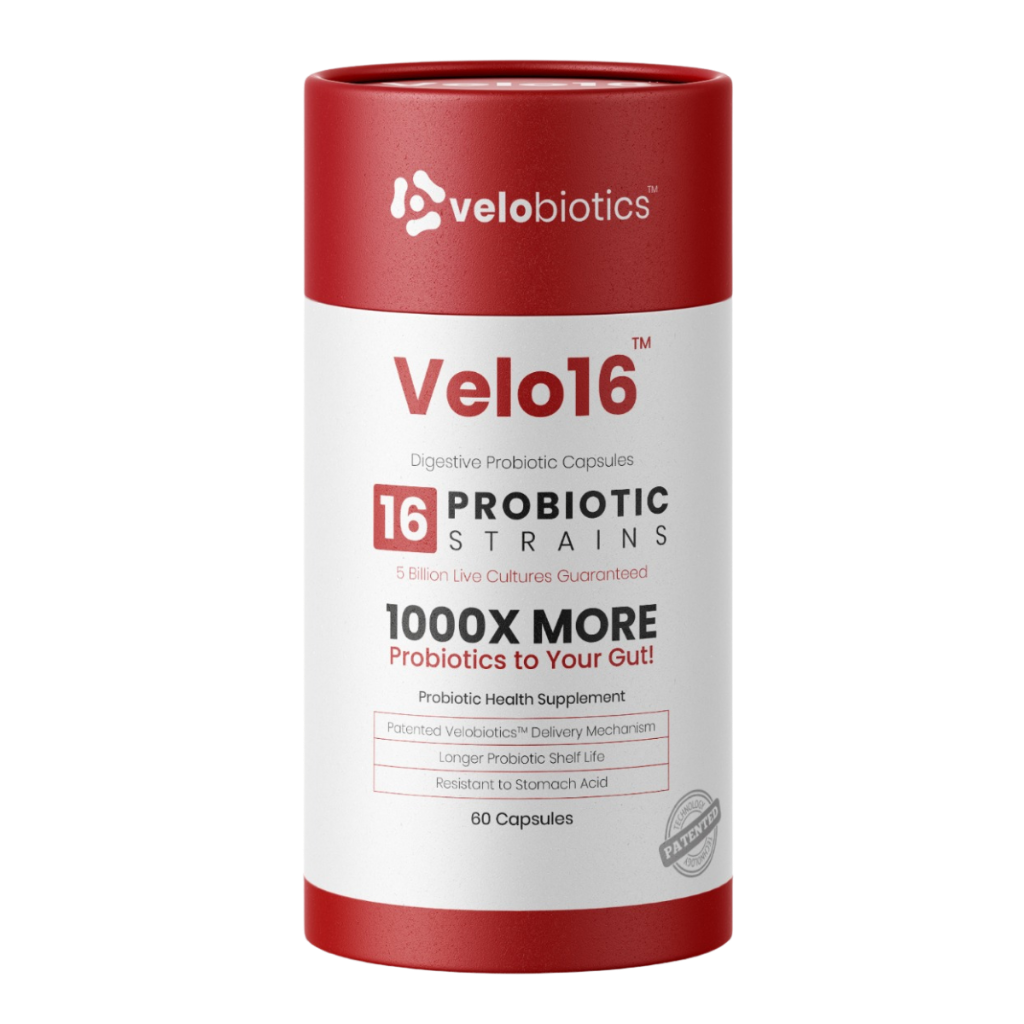
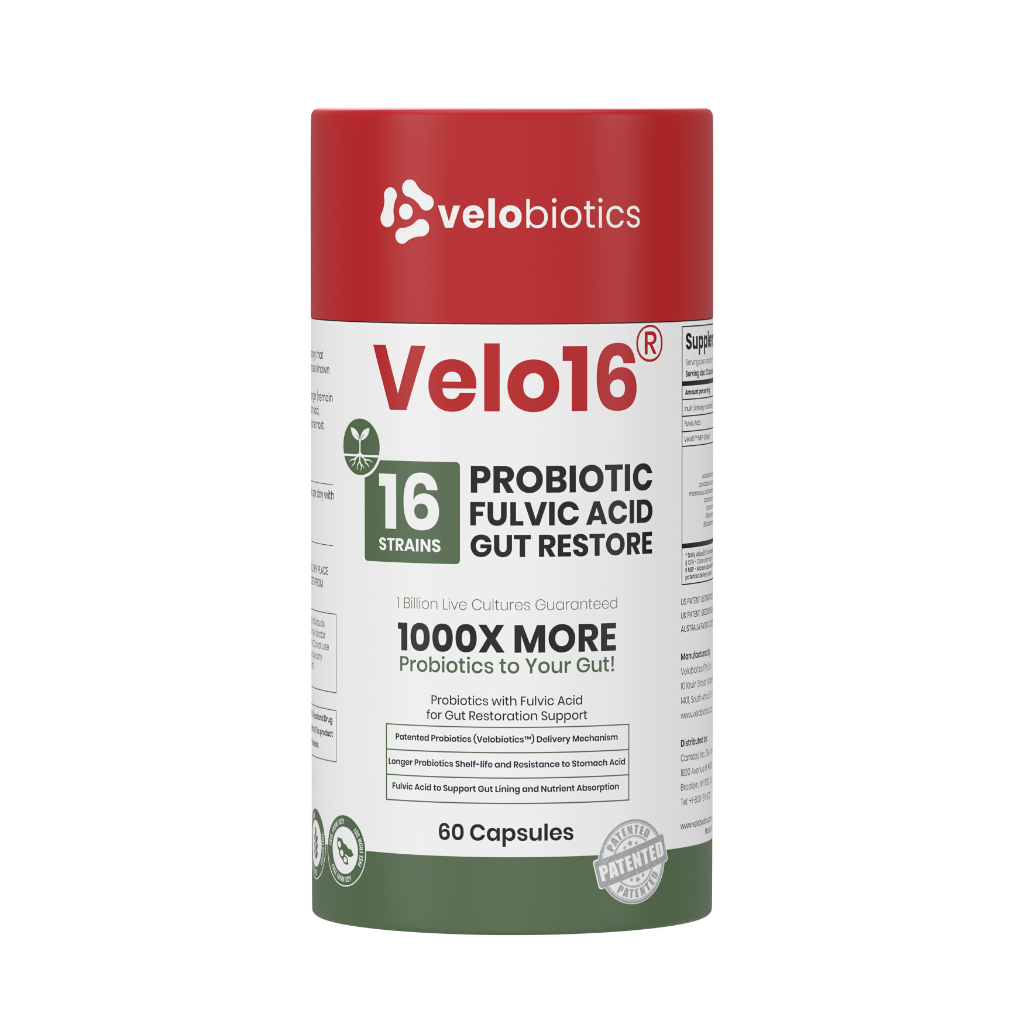
This is not a trend. This is a clinically informed, evidence-backed approach to gut restoration that I've been refining in my functional medicine practice in Johannesburg — and that we've built into the Velo16™ Probiotics + Fulvic Acid Gut Restore formulation. In this article, I want to walk you through the science, the synergy, and the strategy behind what I believe is one of the most effective gut restore supplement stacks available today.
Understanding the Gut: More Than a Digestive Tube
Let's start with the fundamentals, because context matters. Your gastrointestinal tract is home to approximately 38 trillion microorganisms — bacteria, fungi, viruses, and archaea — collectively known as the gut microbiome. According to research published in Nature Microbiology, the diversity and composition of this microbial community influences everything from immune function and mood regulation to metabolic health and chronic disease risk.
Running alongside this microbial world is the gut epithelium — a single-cell-thick lining that acts as the primary barrier between the external environment (the contents of your gut) and your internal bloodstream. When this barrier is intact, it selectively allows nutrients through while keeping pathogens, toxins, and undigested food particles out. When it's compromised — a condition increasingly referred to as leaky gut (or intestinal hyperpermeability) — those unwanted substances cross into circulation, triggering systemic immune responses that manifest as inflammation, fatigue, skin conditions, joint pain, and more.
"Intestinal permeability has emerged as a critical factor in the pathogenesis of numerous systemic diseases, from autoimmune conditions to metabolic syndrome." — NCBI, Journal of Diabetes Research, 2014
The good news? The gut lining is remarkably regenerative — if you give it the right tools. And that's precisely where the combination of fulvic acid and probiotics becomes transformative.
What Damages Gut Barrier Integrity?
- Antibiotic use (broad-spectrum courses in particular)
- Chronic psychological stress and elevated cortisol
- Ultra-processed, low-fibre diets
- Alcohol and non-steroidal anti-inflammatory drugs (NSAIDs)
- Environmental toxins, pesticides, and heavy metal exposure
- Infections — bacterial, viral, and parasitic
- Dysbiosis (imbalanced gut microbial communities)
In South Africa, where antibiotic prescription rates remain high and exposure to environmental pollutants is significant in many urban and agricultural areas, the need for effective fulvic acid gut health solutions is very real. I see it daily in my practice.
What Is Fulvic Acid — And Why Does It Belong in Your Gut Restore Protocol?
Fulvic acid is a naturally occurring organic compound formed through the microbial decomposition of plant matter in soil over thousands of years. It is part of the humic substance family and is found in particularly rich concentrations in ancient peat bogs, leonardite shale, and deep mineral-rich soils. Historically, traditional cultures consumed trace amounts of fulvic acid through unwashed vegetables and mineral-rich spring water — but modern agricultural practices and water treatment have all but eliminated this natural exposure.
Fulvic acid is a low-molecular-weight molecule, which gives it a remarkable ability to penetrate cell membranes and carry nutrients directly into cells. This bioavailability-enhancing quality is central to its clinical value.
The Key Fulvic Acid Benefits for Gut Health
- Gut Barrier Repair: Research published on PubMed (NCBI) has shown that fulvic acid supports the expression of tight junction proteins — claudin, occludin, and zonula occludens-1 — which are the molecular "zippers" that seal the gaps between intestinal epithelial cells. Strengthening these tight junctions is the cornerstone of healing leaky gut.
- Anti-inflammatory Activity: Fulvic acid has demonstrated significant capacity to modulate NF-κB signalling pathways, reducing the production of pro-inflammatory cytokines like TNF-α and IL-6. This has direct implications for conditions like irritable bowel syndrome (IBS), Crohn's disease, and ulcerative colitis.
- Prebiotic-Like Activity: Emerging evidence suggests that fulvic acid creates a more favourable gut environment for beneficial bacterial strains by modulating gut pH, reducing pathogenic load, and providing organic carbon compounds that support microbial metabolism.
- Heavy Metal Chelation: Fulvic acid's electron-donor/acceptor structure allows it to bind to heavy metals and toxins within the gut lumen, facilitating their excretion before they can be absorbed — an important benefit given South Africa's mining-related environmental context.
- Enhanced Mineral Absorption: Fulvic acid forms fulvic acid-mineral complexes that dramatically improve the bioavailability of essential minerals including magnesium, zinc, iron, and selenium — all of which are critical for gut repair and immune function.
"Fulvic acids have been shown to possess anti-inflammatory, antioxidant, and membrane-protective properties that may be directly applicable to the management of inflammatory bowel conditions." — NCBI Review, 2018
For a deeper look at the formulation science behind our approach, visit The Velo16™ Science page.
Probiotics: Rebuilding the Microbial Army
While fulvic acid works at the structural and biochemical level to restore the gut environment, probiotics work at the ecological level — repopulating the gut with beneficial microorganisms that support immune regulation, nutrient synthesis, pathogen resistance, and neurotransmitter production.
According to the World Health Organization's definition, probiotics are "live microorganisms that, when administered in adequate amounts, confer a health benefit on the host." The key phrase here is adequate amounts — and this is where most over-the-counter probiotic products fall short. Many products on South African pharmacy shelves contain too few colony-forming units (CFUs), poorly selected strains, or inadequate delivery mechanisms that result in most bacteria dying before they reach the colon.
The Post-Antibiotic Gut: Why Restoration Matters So Much
Antibiotics are sometimes life-saving and necessary — but their collateral damage to the gut microbiome is well-documented. A landmark study in Nature Microbiology found that a single course of broad-spectrum antibiotics can reduce microbial diversity by up to 90%, with some species taking 6 months or more to recover — and some never fully returning. This post-antibiotic dysbiosis creates a vacuum that opportunistic pathogens like Clostridioides difficile and Candida albicans are quick to fill.
Strategic probiotic supplementation post-antibiotic use — particularly with clinically validated strains — can significantly accelerate microbiome recovery. Harvard Health Publishing acknowledges that while evidence varies by condition and strain, specific probiotic strains have demonstrated consistent benefit in restoring gut ecology after antibiotic disruption.
Strains That Matter for Gut Restore
- Lactobacillus rhamnosus GG: The most studied probiotic strain globally. Strongly evidenced for reducing antibiotic-associated diarrhoea and supporting gut barrier function.
- Lactobacillus acidophilus: Produces lactic acid and bacteriocins that inhibit pathogenic colonisation; supports lactase production for improved dairy tolerance.
- Bifidobacterium longum: A key species in the infant gut and a critical regulator of immune tolerance; often severely depleted after antibiotics or in ageing adults.
- Bifidobacterium lactis: Demonstrated to enhance gut barrier integrity and reduce intestinal permeability markers in clinical trials.
- Lactobacillus plantarum: Highly resilient to gastric acid; produces short-chain fatty acids (SCFAs) that nourish colonocytes and reduce mucosal inflammation.
- Saccharomyces boulardii: A beneficial yeast with powerful anti-pathogenic properties, particularly against C. difficile and antibiotic-associated diarrhoea.
The Velo16™ Probiotics + Fulvic Acid Gut Restore formulation incorporates a multi-strain approach because the gut is a diverse ecosystem — and monoculture solutions rarely produce lasting results. Explore the full range at our Velo16™ Gut Health Collection.
The Synergy: Why Fulvic Acid + Probiotics Is Greater Than the Sum of Its Parts
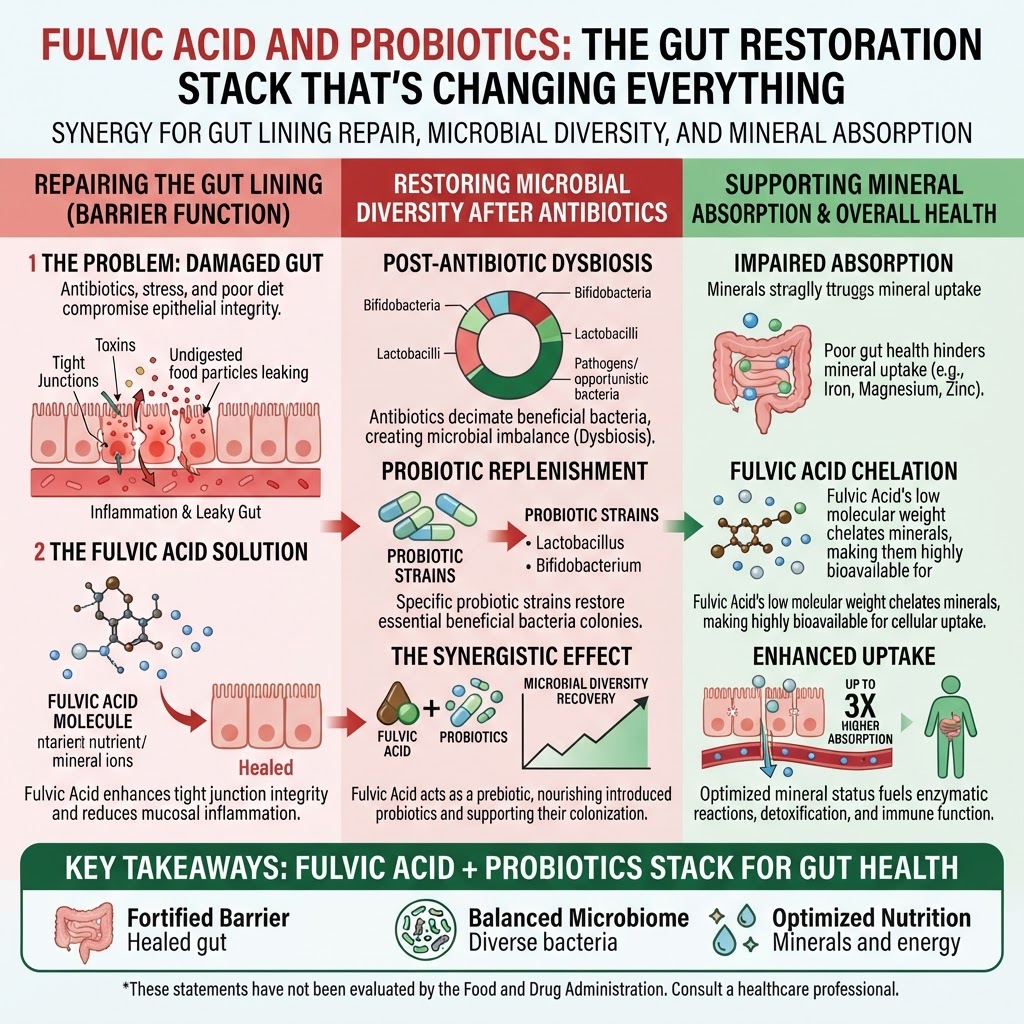
Here is where the clinical insight becomes genuinely exciting. Fulvic acid and probiotics don't merely work alongside each other — they potentiate each other's effects through several interconnected mechanisms. This is the core of what I mean when I talk about a true gut restore supplement stack.
1. Fulvic Acid Prepares the Terrain for Probiotic Colonisation
Think of it this way: you wouldn't plant seeds in concrete. The dysbiotic gut — inflamed, pathogen-colonised, and structurally compromised — is hostile territory for beneficial bacteria. Fulvic acid reduces that hostility. By lowering intestinal inflammation, modulating pH, binding to toxins, and supporting tight junction integrity, fulvic acid essentially prepares the gut terrain to receive and retain probiotic organisms more effectively.
This concept mirrors what we know about soil science: fulvic acid in soil improves mineral availability and microbial diversity. The parallel in human gut biology is striking and scientifically plausible.
2. Improved Mineral Status Supports Probiotic Metabolism
Probiotic bacteria require specific minerals — particularly magnesium, zinc, and manganese — for enzymatic activity, membrane stability, and the production of beneficial metabolites like SCFAs and B vitamins. Fulvic acid's mineral-chelating and bioavailability-enhancing properties ensure that the gut environment is sufficiently mineralised to support a thriving probiotic community.
This is especially relevant in South Africa, where soil mineral depletion in certain regions contributes to subclinical deficiencies that undermine both human and microbial health.
3. Synergistic Anti-Inflammatory Action
Both fulvic acid and specific probiotic strains independently reduce intestinal inflammation — but they do so through complementary pathways. Fulvic acid downregulates NF-κB and oxidative stress markers, while probiotics modulate the gut-associated lymphoid tissue (GALT) and promote regulatory T-cell activity. Together, they create a broader and more durable anti-inflammatory effect than either achieves alone.
Research published in the Journal of Clinical Gastroenterology has highlighted the importance of multi-modal approaches to intestinal inflammation, noting that targeting both the microbial and epithelial components of gut dysfunction produces superior outcomes compared to single-intervention strategies.
4. Enhanced Gut-Brain Axis Support
The gut-brain axis — the bidirectional communication network between the enteric nervous system and the central nervous system — is heavily influenced by both gut barrier integrity and microbial diversity. Leaky gut has been associated with neuroinflammation, anxiety, depression, and cognitive dysfunction. By addressing both the structural and ecological dimensions of gut health simultaneously, the fulvic acid and probiotic combination supports not just digestive wellness but mental clarity, mood stability, and energy — outcomes that patients in my practice consistently report within 4-8 weeks of consistent use.
5. Accelerated Recovery from Antibiotic Damage
Given the prevalence of antibiotic use in South Africa — for both humans and within the food chain — post-antibiotic gut restoration is arguably one of the most common and urgent gut health needs we face. The combination of fulvic acid (to repair structural damage and reduce residual gut inflammation) and targeted probiotics (to re-establish microbial diversity) addresses this need comprehensively. Clinical observation in my practice suggests recovery timelines of 4-12 weeks when the stack is used consistently and correctly — significantly faster than diet alone.
For more evidence-based articles like this one, visit the Velo16™ Health Journal.
Who Should Consider This Stack? Identifying Your Gut Health Profile
In functional medicine, we don't believe in one-size-fits-all solutions. But there are clear clinical patterns that point toward the need for targeted gut restoration support:
You May Benefit From This Stack If You Experience:
- Persistent bloating, gas, or abdominal discomfort after meals
- Recent or recurrent antibiotic use (within the past 12 months)
- Skin conditions like acne, eczema, or rosacea that seem gut-related (the gut-skin axis is well established — consider taking our Take the Clear Skin Quiz for personalised insight)
- Chronic fatigue or brain fog not explained by sleep or thyroid issues
- Food sensitivities that have developed or worsened over time
- History of irritable bowel syndrome (IBS) or inflammatory bowel conditions
- Autoimmune conditions with suspected gut involvement (Hashimoto's, lupus, rheumatoid arthritis)
- History of high stress, which is known to compromise both gut barrier function and microbial diversity
- High-processed-food diet with low fibre intake
- Residence in areas with high environmental toxin exposure (mining regions, industrial areas)
How Long Should You Use the Stack?
This is one of the most common questions I receive. For acute post-antibiotic recovery, a minimum of 8 weeks of consistent use is recommended. For chronic gut dysfunction, leaky gut, or longstanding dysbiosis, I typically guide patients through a 3-6 month protocol, adjusting based on clinical response and symptom tracking. Maintenance use thereafter — particularly during high-stress periods, travel, or seasonal illness — is entirely appropriate and beneficial.
Explore the complete product range at Shop All Velo16™ Products to find the right protocol for your health goals.
Practical Guidance: Getting the Most from Your Gut Restore Protocol
Supplementation is most effective when embedded within a broader lifestyle strategy. Here are the evidence-informed principles I share with every patient embarking on a gut restoration protocol:
Nutritional Foundations
- Increase dietary fibre diversity: Aim for 30 different plant foods per week. Each plant species feeds different microbial populations — diversity in diet drives diversity in the microbiome.
- Include fermented foods daily: Kefir, plain yoghurt, sauerkraut, kombucha, and miso provide additional live cultures that complement supplemental probiotics. A landmark Stanford study in Cell (2021) found that a high-fermented food diet significantly increased microbiome diversity.
- Reduce ultra-processed foods: Emulsifiers, artificial sweeteners, and preservatives have been shown to disrupt tight junctions and alter microbial composition adversely.
- Prioritise bone broth and collagen-rich foods: These provide glycine and proline — amino acids that directly support intestinal lining repair alongside fulvic acid's structural effects.
Lifestyle Factors That Directly Impact Gut Healing
- Stress management is non-negotiable: Chronic stress elevates cortisol, which directly increases intestinal permeability. Mindfulness, breathwork, adequate sleep, and even moderate exercise are gut health interventions.
- Sleep 7-9 hours: The gut microbiome follows circadian rhythms. Disrupted sleep disrupts microbial balance — consistently.
- Hydration: Adequate water intake supports mucus layer production — your gut's first line of physical defence.
- Exercise moderately: Research shows that moderate aerobic exercise increases microbial diversity; however, extreme exercise without adequate recovery can temporarily increase gut permeability.
"The gut microbiome is exquisitely sensitive to host behaviour. Diet, sleep, stress, and physical activity are among the most powerful modulators of microbial ecology available to us." — Adapted from Harvard Health Publishing
Frequently Asked Questions
What is fulvic acid and is it safe to take daily?
Fulvic acid is a naturally occurring organic compound derived from ancient decomposed plant matter in mineral-rich soils. It has a long history of use in Ayurvedic medicine (as a key component of Shilajit) and has been evaluated in multiple safety studies. When sourced from high-quality, tested raw material — as in the Velo16™ formulation — fulvic acid is considered safe for daily use at recommended dosages. As with any supplement, individuals who are pregnant, breastfeeding, or on prescription medications should consult their healthcare provider before starting.
Can I take probiotics and fulvic acid at the same time?
Yes — and in fact, taking them together is the intended and most effective approach. Fulvic acid enhances the gut environment that probiotics colonise, and their mechanisms are complementary rather than conflicting. The Velo16™ Probiotics + Fulvic Acid Gut Restore is formulated as a combined product precisely to deliver both benefits simultaneously and in the correct ratios.
How long before I notice results from a gut restore supplement?
This varies depending on the severity and duration of gut dysfunction. Many individuals notice improvements in bloating, bowel regularity, and energy within 2-4 weeks. More significant changes — including skin improvements, reduced food sensitivities, and sustained energy — typically become apparent between weeks 4-8. Full microbiome restoration after significant antibiotic use or chronic dysbiosis may take 3-6 months of consistent use combined with dietary support.
Is leaky gut a real medical condition?
The term "leaky gut" is a colloquial descriptor for intestinal hyperpermeability — a clinically measurable phenomenon characterised by increased paracellular permeability of the intestinal epithelium. It is not currently classified as a standalone diagnosis in conventional medicine, but intestinal hyperpermeability is well-documented in the scientific literature and has been associated with conditions including IBS, inflammatory bowel disease, celiac disease, type 1 diabetes, and certain autoimmune conditions. Research in this area is rapidly advancing, and its clinical relevance is increasingly accepted across specialties.
Are Velo16™ products available across South Africa?
Yes. Velo16™ products are available online and ship nationwide across South Africa. We also have selected stockists in major cities. Visit our Shop All Velo16™ Products page for current availability, shipping information, and bundle options designed for complete gut restoration protocols.
Ready to Restore Your Gut From the Inside Out?
The science is clear: gut barrier integrity, microbial diversity, and mineral status are foundational pillars of whole-body health. The combination of fulvic acid and targeted probiotics addresses all three — simultaneously and synergistically.
Whether you're recovering from antibiotics, managing a chronic digestive condition, or simply committed to optimising your health from the inside out, the Velo16™ Probiotics + Fulvic Acid Gut Restore was formulated for you — by a clinician who has seen the evidence firsthand and built it into every capsule.
- ✅ Multi-strain, high-potency probiotic blend
- ✅ Pharmaceutical-grade fulvic acid extract
- ✅ Formulated by a functional medicine physician
- ✅ Third-party tested for purity and potency
- ✅ Designed for the South African health context