The Science of Gut Flora: How 16 Probiotic Strains Transform Your Digestive Health
The Science of Gut Flora: How 16 Probiotic Strains Transform Your Digestive Health
By Dr. Chomba Chuma, MD — Founder, Velo16™
Every day in my functional medicine practice in Johannesburg, I speak to patients who are frustrated. They've tried a probiotic — one of those single-strain capsules from the pharmacy shelf — and felt nothing. No improvement in bloating, no relief from irregular digestion, no change in energy or mood. They assume probiotics simply don't work for them.
But here's what I tell them: it's not that probiotics don't work. It's that one strain was never enough.
Your gut microbiome — the vast, complex ecosystem of trillions of microorganisms living in your digestive tract — is not a simple, single-species environment. It is one of the most diverse biological communities on earth, housing an estimated 500 to 1,000 distinct bacterial species. Research published in Nature has confirmed that the gut microbiome contains more than 3 million unique genes — 150 times more than the human genome itself. To support that kind of complexity with a single probiotic strain is like trying to restore a rainforest by planting one type of tree.
This article is for every health-conscious South African who wants to understand, once and for all, what the science actually says about probiotic strains, gut flora, and why a multi-strain approach isn't just better — it's the only approach that mirrors how your gut actually works. We'll explore the major strain families, the evidence behind them, and why the delivery method of your probiotic matters far more than the CFU number printed on the label.
Welcome to the science behind Velo16™ Gut Health Collection.
---Understanding Your Gut Flora: A Living Ecosystem Under Constant Pressure
Before we talk about solutions, we need to understand the problem. The term gut flora — also called the gut microbiota — refers to the collective community of bacteria, fungi, viruses, and other microorganisms residing primarily in your large intestine. While these organisms collectively weigh about 1.5 to 2 kilograms, their influence on your health is immeasurable.
A healthy, diverse gut microbiome performs functions that many people don't realise are microbial in origin:
- Synthesising essential vitamins including B12, K2, and folate
- Fermenting dietary fibre into short-chain fatty acids (SCFAs) that fuel your gut lining
- Regulating the immune system — approximately 70% of immune tissue is located in the gut
- Producing neurotransmitters including serotonin and GABA, directly impacting mood and cognition
- Forming a protective barrier against pathogens and harmful bacteria
- Modulating inflammation throughout the entire body
According to the World Health Organization, non-communicable diseases including obesity, type 2 diabetes, and cardiovascular disease are rising rapidly across sub-Saharan Africa — and emerging research is consistently linking these conditions to disrupted gut microbiomes. For South Africans navigating high-stress urban environments, diets in transition, widespread antibiotic use, and significant lifestyle pressures, the state of our gut flora is a genuine public health concern.
What Disrupts the Gut Microbiome?
The enemies of a healthy gut microbiome are, unfortunately, features of modern life:
- Antibiotics — while life-saving, they are indiscriminate and destroy beneficial bacteria alongside harmful ones
- Ultra-processed foods — high in refined sugars and low in fibre, they starve beneficial bacteria
- Chronic stress — cortisol directly alters gut motility and microbial composition
- Alcohol — disrupts the intestinal epithelial barrier and promotes dysbiosis
- Environmental toxins — pesticide residues and chlorinated water affect microbial diversity
- Poor sleep — circadian disruption impairs the gut-brain axis and microbial rhythms
The result of these disruptions is a state called dysbiosis — an imbalance in the gut microbiome where harmful bacteria begin to outcompete beneficial ones. Dysbiosis has been associated with irritable bowel syndrome (IBS), inflammatory bowel disease, metabolic syndrome, autoimmune conditions, anxiety, and depression, as documented extensively in the Journal of Clinical Gastroenterology.
This is where targeted probiotic supplementation — done correctly — becomes a genuinely powerful clinical tool.
---Why Multi-Strain Probiotics Outperform Single-Strain Supplements
The probiotic market is flooded with products, and the majority rely on a single strain — most commonly Lactobacillus acidophilus — as the hero ingredient. I understand the marketing appeal. It's simple. It's easy to explain. But it doesn't reflect the biology.
"The human gut microbiome functions as an ecological community. Restoring ecological balance requires ecological solutions — not a single-species intervention." — Dr. Chomba Chuma, MD, Velo16™
A landmark meta-analysis published on PubMed/NCBI reviewing 53 randomised controlled trials found that multi-strain probiotic formulations consistently outperformed single-strain supplements across a range of digestive outcomes, including reductions in bloating, improved stool consistency, and faster recovery from antibiotic-associated diarrhoea.
The reasons are mechanistic and logical:
1. Different Strains Colonise Different Regions of the Gut
The gut is not a single uniform environment. The pH, oxygen levels, mucus thickness, and microbial competition vary significantly from the duodenum to the sigmoid colon. Lactobacillus strains tend to thrive in the small intestine, while Bifidobacterium strains are better adapted to the anaerobic environment of the large intestine. A single-strain supplement can only act in a limited zone.
2. Strains Perform Different Functions
Some strains produce lactic acid to lower gut pH and deter pathogens. Others produce bacteriocins — natural antimicrobial peptides. Some strengthen the intestinal tight junctions. Others specifically produce butyrate, the primary fuel for colonocytes. No single strain does all of these things simultaneously.
3. Strains Work Synergistically
Certain probiotic strains exhibit a phenomenon called cross-feeding, where the metabolic outputs of one strain serve as nutrients for another. This creates a self-sustaining community that is far more resilient and functional than any individual strain alone — a concept supported by Nature Microbiology research on microbial community dynamics.
4. Redundancy Provides Resilience
In ecology, redundancy — multiple species performing similar functions — protects an ecosystem from collapse when one species is removed or overwhelmed. The same principle applies to your gut. A multi-strain formula ensures that if environmental conditions temporarily disadvantage one strain, others continue to perform similar protective functions.
---The Role of Each Probiotic Strain Family: Lactobacillus, Bifidobacterium, and Beyond
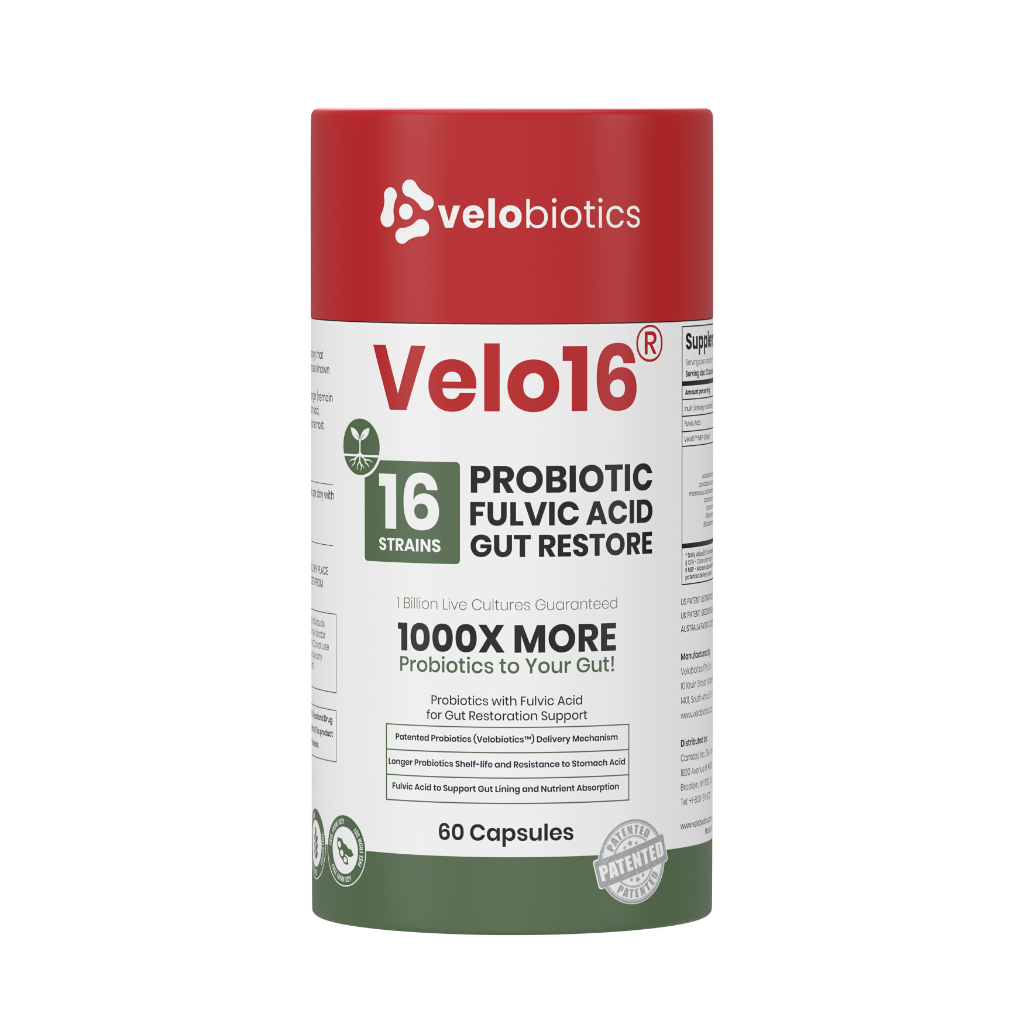
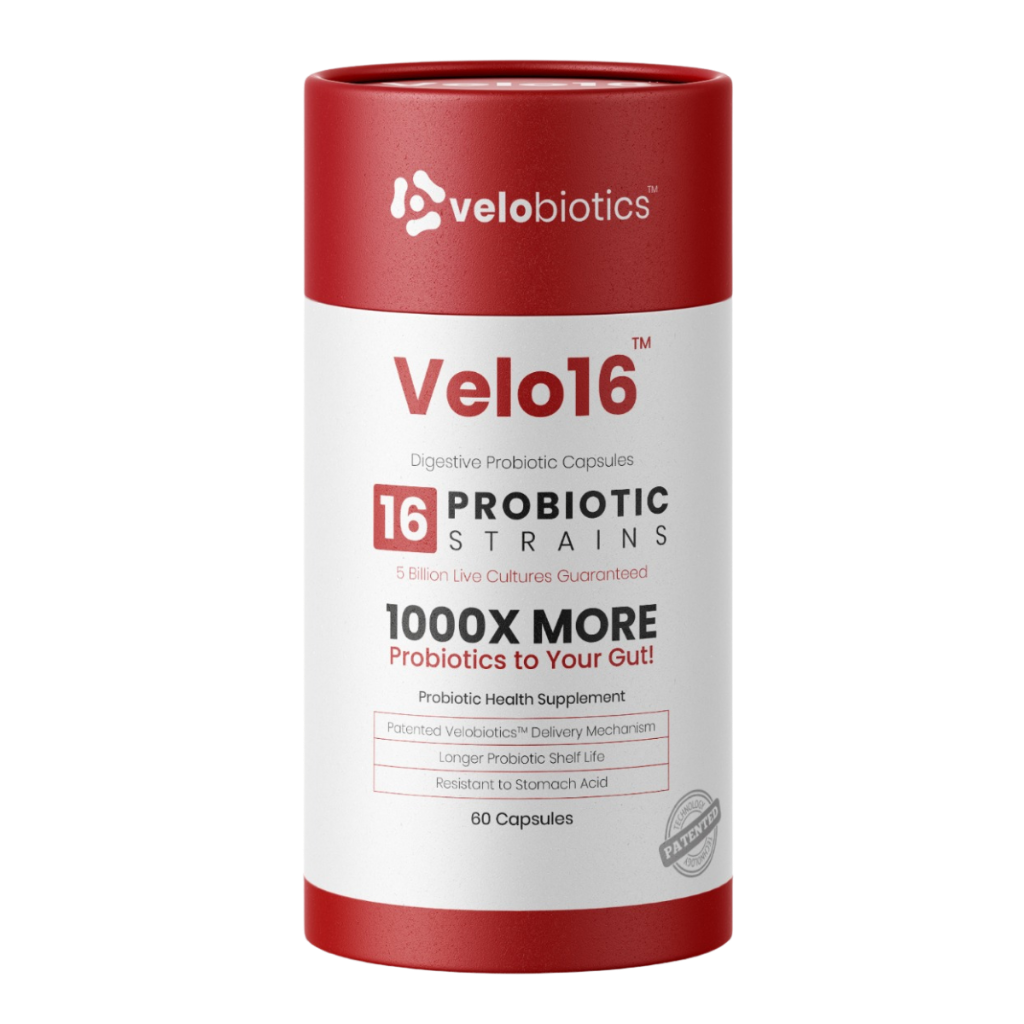
Understanding the major probiotic strain families helps explain why a thoughtfully formulated 16-strain product like Velo16™ Digestive Probiotics is clinically grounded, not just marketing innovation.
The Lactobacillus Family
Lactobacillus species are gram-positive, lactic acid-producing bacteria that are among the most researched probiotics in the world. They are naturally dominant in the small intestine and play critical roles in:
- Lactic acid production — lowering intestinal pH to inhibit pathogen growth
- Immune modulation — stimulating IgA secretion and regulatory T-cell activity
- Lactose digestion — producing lactase enzyme, particularly relevant for the estimated 70% of South Africans with some degree of lactose sensitivity
- Vaginal health — maintaining the acidic environment that protects against bacterial vaginosis
- Reducing intestinal permeability — reinforcing tight junction proteins to prevent "leaky gut"
Key clinically studied Lactobacillus strains include L. acidophilus, L. rhamnosus GG (one of the most extensively researched probiotics for diarrhoea prevention), L. plantarum (potent anti-inflammatory), L. casei, L. fermentum, and L. brevis. As detailed at Harvard Health Publishing, L. rhamnosus GG specifically has been shown in multiple trials to reduce antibiotic-associated diarrhoea by up to 60%.
The Bifidobacterium Family
Bifidobacterium species are among the first bacteria to colonise the infant gut and remain critically important throughout life, becoming dominant in the large intestine. Their functions include:
- Fermenting complex carbohydrates and producing SCFAs including acetate and butyrate
- Outcompeting pathogens through competitive exclusion in the colon
- Supporting bowel regularity — multiple trials demonstrate significant improvements in stool frequency and consistency
- Reducing systemic inflammation by lowering pro-inflammatory cytokines
- Producing B vitamins including folate and biotin in the gut
Bifidobacterium populations naturally decline with age, stress, and antibiotic use — making targeted supplementation with strains like B. longum, B. breve, B. infantis, and B. bifidum particularly valuable for adults over 35.
Streptococcus thermophilus and Saccharomyces boulardii
A comprehensive formula extends beyond just Lactobacillus and Bifidobacterium. Streptococcus thermophilus is a highly effective lactase producer that aids dairy digestion and supports the growth of other beneficial bacteria. Saccharomyces boulardii, a beneficial yeast probiotic, has exceptional evidence for preventing and treating diarrhoea — including traveller's diarrhoea, a common concern for South Africans travelling across the continent — with PubMed studies confirming its clinical efficacy.
--- [INFOGRAPHIC_PLACEHOLDER: "16 Probiotic Strains at a Glance — Strain Families, Target Zones, and Key Functions in the Gut" — Visual diagram of the gastrointestinal tract showing where each strain family colonises, their primary functions, and the synergistic relationships between Lactobacillus and Bifidobacterium species.] ---Why CFU Delivery Method Matters More Than CFU Count
Walk into any health shop in South Africa and you'll see probiotic products competing on one number: CFU count. "50 Billion CFU!" "100 Billion CFU!" The implication is clear — bigger is better. As a physician, I need to challenge this assumption directly, because it is one of the most misleading frameworks in the supplement industry.
"A probiotic with 100 billion CFU that is destroyed in stomach acid delivers zero benefit. A probiotic with 10 billion CFU that reaches the intestine intact delivers transformative results. The delivery system is everything."
The Stomach Acid Problem
The human stomach is designed to be hostile. With a pH ranging from 1.5 to 3.5, gastric acid destroys the majority of conventional probiotic bacteria before they can reach the small intestine where they need to work. Studies have shown that standard unprotected probiotic capsules can lose over 90% of their viable bacteria during transit through the stomach. This means that impressive CFU numbers on the label bear little relationship to the number of live bacteria actually colonising your gut.
What Effective Delivery Looks Like
Effective probiotic delivery requires technology that protects bacterial viability from the moment of ingestion through gastric transit and into the intestinal environment. The key technologies include:
- Acid-resistant enteric coating — capsules or microencapsulation that dissolve only when pH rises above 6.5, meaning release occurs in the small intestine, not the stomach
- Microencapsulation of individual strains — each bacterial strain coated independently to ensure survival regardless of the capsule integrity
- Lyophilisation (freeze-drying) — a preservation process that maintains bacterial viability during storage without refrigeration, critical for the South African climate
- Prebiotic matrix inclusion — incorporating prebiotic fibres (such as FOS or inulin) within the formula to provide immediate substrate for bacterial colonisation upon arrival in the gut
- Delayed-release capsule technology — ensuring that the capsule remains intact through the highly acidic gastric environment
This is precisely the technology framework that informs the formulation of Velo16™ Digestive Probiotics. The focus is not on printing an inflated CFU number on the box — it is on guaranteed viable delivery to the intestinal target site. To understand the complete science behind our formulation decisions, visit The Velo16™ Science page.
The Role of Prebiotics: Feeding What You Plant
Probiotics are live organisms. Like all organisms, they need food to survive and thrive. Prebiotics — non-digestible dietary fibres like fructooligosaccharides (FOS) and inulin — serve as the selective fuel source for beneficial bacteria. When probiotics arrive in the gut alongside their prebiotic substrate, the rate of colonisation and functional activity increases significantly. This synbiotic approach (probiotics + prebiotics together) represents the current gold standard in microbiome supplementation.
---The Gut-Body Connection: Why Your Digestive Health Is Your Foundation
One of the most important paradigm shifts in modern medicine is the recognition that digestive health is not a separate department from the rest of the body. The gut is the origin point of systemic health — and systemic disease.
The Gut-Brain Axis
The gut-brain axis is a bidirectional communication network linking the enteric nervous system (the "second brain" in your gut, containing over 100 million neurons) with the central nervous system. Approximately 90-95% of the body's serotonin — the primary mood-regulating neurotransmitter — is produced in the gut. Research published in Nature Microbiology has confirmed that specific probiotic strains, particularly L. rhamnosus and B. longum, can measurably reduce anxiety and depressive symptoms by modulating this axis.
The Gut-Immune Connection
With 70% of the immune system concentrated in gut-associated lymphoid tissue (GALT), the composition of your gut microbiome is arguably the single most important determinant of immune function. Beneficial bacteria train immune cells to distinguish between pathogens and harmless environmental antigens — a calibration failure that underlies allergies, autoimmune diseases, and chronic inflammatory conditions. For South Africans dealing with high rates of conditions like eczema, asthma, and rheumatoid arthritis, addressing gut flora is a genuinely therapeutic priority.
The Gut-Skin Connection
The gut-skin axis is an emerging area of research with profound clinical implications. Dysbiosis drives systemic inflammation, which manifests in the skin as acne, eczema, rosacea, and psoriasis. Multiple clinical trials have now demonstrated that targeted probiotic supplementation improves inflammatory skin conditions — not through topical action, but through systemic microbiome modulation. If skin health is a concern for you alongside digestive health, I encourage you to Take the Clear Skin Quiz to explore how your gut and skin health are connected.
Gut Health in the South African Context
The gut microbiome South Africa research landscape is growing. Studies are increasingly documenting the unique microbial profiles of South African populations, shaped by diverse dietary patterns, high rates of H. pylori infection, significant antibiotic exposure, and the aftermath of HIV/ARV treatment in millions of individuals. Understanding this local context is part of what drives the Velo16™ formulation philosophy — we are building solutions for South African bodies, South African lifestyles, and South African health challenges.
---How to Choose the Best Probiotic Supplement: A Physician's Checklist
As both a physician and a formulator, I'm frequently asked: "What should I actually look for in a probiotic?" Here is my clinical checklist for identifying the best probiotic supplement for your needs:
- Multi-strain formula — a minimum of 8-10 strains, ideally spanning both Lactobacillus and Bifidobacterium families, with specific strain designations (not just genus and species)
- Strain-specific research — look for strains with published clinical trial data, not generic species names
- Acid-resistant delivery — enteric coating, delayed-release capsule, or microencapsulation technology should be explicitly stated
- CFU at expiry, not at manufacture — the label should state "CFU guaranteed at expiry" not "at time of manufacture," as many products lose the majority of viable bacteria during shelf storage
- Prebiotic inclusion — a synbiotic formula (with prebiotic fibres) delivers superior colonisation outcomes
- Transparent labelling — each strain listed with its full designation (e.g., Lactobacillus rhamnosus GG, not just "Lactobacillus")
- Storage stability — ideally shelf-stable without refrigeration, to ensure viability across the South African distribution and retail environment
- No unnecessary fillers — avoid products with artificial colourants, titanium dioxide, or unnecessary excipients that can irritate sensitive gut linings
The Velo16™ Gut Health Collection was designed against every point on this checklist. Explore the full range at Shop All Velo16™ Products, or browse the broader research and philosophy that guides everything we do at Velo16™ Health Journal.
---Frequently Asked Questions
How long does it take for a multi-strain probiotic to work?
Most people begin to notice improvements in digestive comfort — reduced bloating, more regular bowel movements, less gas — within 1 to 3 weeks of consistent daily use. However, meaningful microbiome remodelling, particularly the re-establishment of diverse beneficial populations, typically requires 6 to 12 weeks of sustained supplementation. For conditions like IBS or post-antibiotic dysbiosis, the clinical recommendation is a minimum 90-day protocol. Consistency is more important than high doses — a daily moderate-dose multi-strain probiotic will always outperform an occasional high-dose single-strain supplement.
Can I take probiotics with antibiotics?
Yes — and in fact, I strongly recommend it. The key is timing: take your probiotic at least 2 hours away from your antibiotic dose to minimise the chance of the antibiotic killing the probiotic bacteria before they can act. Research published on PubMed shows that concurrent probiotic use during antibiotic treatment reduces the risk of antibiotic-associated diarrhoea by 50-60% and significantly accelerates microbiome recovery post-treatment. Continue the probiotic for at least 4 weeks after completing the antibiotic course.
Do I need to refrigerate my Velo16™ probiotics?
Velo16™ Digestive Probiotics are formulated using lyophilised (freeze-dried) bacteria and advanced microencapsulation technology, making them shelf-stable at room temperature. This is particularly important for the South African context, where cold chain reliability during transport and retail can be inconsistent. Store your Velo16™ probiotics in a cool, dry place away from direct sunlight — no refrigeration required.
Are there any side effects when starting a probiotic?
A small percentage of people experience mild, transient symptoms in the first 3 to 7 days of starting a new probiotic — most commonly mild bloating, increased gas, or changes in stool consistency. This is a normal adaptive response often described as a "die-off" or "detox" reaction as the gut microbiome undergoes rebalancing. These symptoms almost always resolve within the first week. If symptoms are severe or persist beyond 10 days, discontinue use and consult a healthcare practitioner. Individuals with severely compromised immune systems or central venous catheters should consult a physician before starting any probiotic supplement.
What makes Velo16™ Digestive Probiotics different from pharmacy probiotics?
The fundamental difference lies in formulation philosophy and delivery technology. The majority of pharmacy-shelf probiotics offer 1-3 strains without acid protection, losing the majority of viable bacteria to stomach acid before reaching the intestine. Velo16™ Digestive Probiotics deliver 16 clinically selected strains across the full Lactobacillus and Bifidobacterium families in an acid-resistant, delayed-release capsule with prebiotic substrate included. The focus is on guaranteed viable delivery to the target site — not on a large CFU number that doesn't survive the journey. Every formulation decision is grounded in peer-reviewed microbiome science, reviewed at The Velo16™ Science.
Ready to Transform Your Digestive Health?
Your gut flora is the foundation of your immunity, your energy, your mood, and your long-term health. After years in functional medicine practice, I formulated Velo16™ Digestive Probiotics because I couldn't find a single product on the South African market that met the clinical standard my patients deserved — 16 precisely selected strains, acid-resistant delivery, prebiotic support, and transparent science-backed labelling.
Your microbiome is not a simple system. Your probiotic shouldn't be either.
- ✅ 16 clinically selected probiotic strains
- ✅ Acid-resistant delayed-release capsule technology
- ✅ Synbiotic formula with prebiotic support
- ✅ Shelf-stable — no refrigeration required
- ✅ Formulated by a functional medicine physician
- ✅ Designed for South African bodies and lifestyles
Featured in this article
Digestive Probiotics
Explore the product discussed in this article and discover how it can support your health goals.