
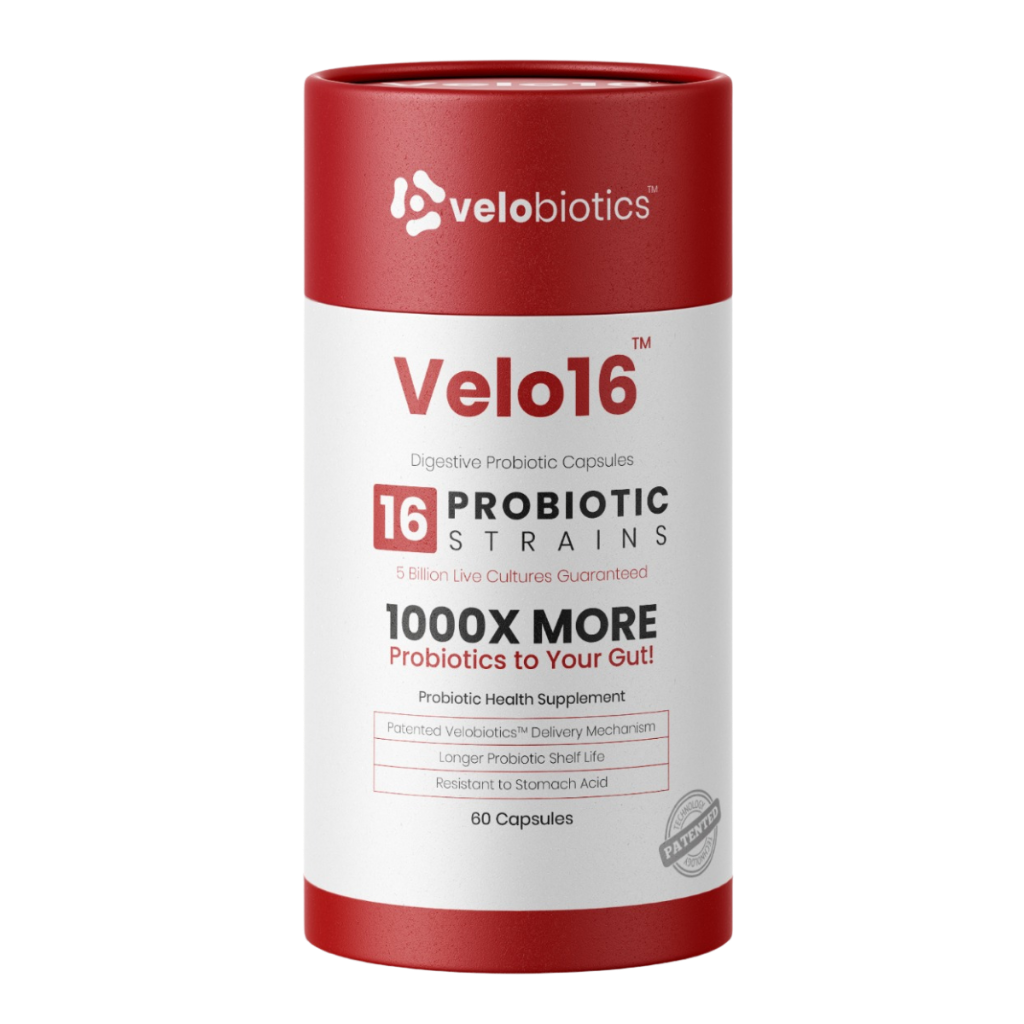
How Your Gut Microbiome Ages — And What You Can Do to Slow It Down
By Dr. Chomba Chuma, MD | Velo16™ Health Journal
There is a quiet revolution happening inside your body right now. Trillions of microorganisms — bacteria, fungi, viruses, and archaea — are working in concert to govern everything from your immune defences and metabolic rate to your mood and cognitive clarity. This intricate ecosystem, your gut microbiome, is arguably the most powerful determinant of how well you age. And yet, like so many things we take for granted in youth, it is slowly, silently changing.
If you are over 50 and have noticed that your digestion is not what it used to be, that you pick up infections more easily, or that your energy levels have plateaued despite doing everything "right," your microbiome may be at the centre of the story. Microbiome ageing is a well-documented biological process — and understanding it is the first step toward reversing its consequences.
In this article, I will walk you through the science of how your microbial communities shift with age, why this matters profoundly for your long-term health, and what a targeted, evidence-based probiotic protocol can do to restore and maintain vitality well into your 60s, 70s, and beyond. This is not guesswork — it is functional medicine applied to one of the most exciting frontiers in longevity science.
1. The Living Ecosystem Within You: A Brief Overview
Before we talk about ageing, it helps to appreciate the baseline. The human gut microbiome contains an estimated 38 trillion microbial cells, slightly outnumbering the total human cells in your body. These microorganisms collectively carry over 3 million unique genes — roughly 150 times more genetic material than the human genome itself. According to a landmark paper published in Nature, microbial gene richness is a strong predictor of metabolic health outcomes.
A healthy microbiome is characterised primarily by diversity — a wide array of different species living in dynamic balance. Diversity is protective. It means that if one species is compromised by stress, antibiotics, or poor diet, others can compensate. Think of it as ecological resilience: a rainforest is far more robust than a monoculture wheat field.
Key bacterial genera in a healthy adult gut include Lactobacillus, Bifidobacterium, Faecalibacterium, Akkermansia, and Bacteroides, among hundreds of others. These microbes produce short-chain fatty acids (SCFAs) like butyrate, propionate, and acetate — molecules that feed the gut lining, regulate inflammation, and communicate with the brain and immune system. They synthesise vitamins B12, K2, and folate. They train and calibrate your immune cells. They are, in every meaningful sense, essential co-pilots of your biology.
Now, here is the uncomfortable truth: this ecosystem begins to degrade in measurable ways from around your mid-40s onwards — and accelerates significantly after 60.
2. How the Microbiome Changes With Age — The Science of Dysbiosis
The age-related shift in microbial composition is so consistent and well-characterised that researchers now use it as a biomarker of biological ageing. A comprehensive 2021 study published in Nature Metabolism found that individuals who maintained unique, diverse microbiomes as they aged had better survival outcomes and lower markers of systemic inflammation compared to those whose microbiomes became increasingly homogenous.
What Changes, Exactly?
- Decline in Bifidobacterium species: These beneficial bacteria, dominant in infancy and critical throughout life for immune regulation and anti-inflammatory activity, drop sharply with age. Research published in the Journal of Clinical Gastroenterology confirms that Bifidobacterium populations can decline by up to 1,000-fold between young adulthood and old age.
- Reduction in butyrate-producing bacteria: Genera such as Faecalibacterium prausnitzii and Roseburia decline, reducing SCFA output and leaving the gut lining increasingly vulnerable to permeability — commonly called "leaky gut."
- Rise in pro-inflammatory species: Opportunistic bacteria from the Proteobacteria phylum, including Enterobacteriaceae, tend to proliferate in the ageing gut, driving a low-grade inflammatory state.
- Loss of overall alpha diversity: Alpha diversity — the richness and evenness of species within an individual — consistently decreases with age, particularly in individuals over 65 who live in care environments or have reduced dietary variety.
- Decline in Akkermansia muciniphila: This mucus-degrading bacterium maintains gut barrier integrity and regulates metabolic function. Its decline is associated with increased intestinal permeability and metabolic syndrome.
Why Does This Happen?
Multiple converging factors drive age-related dysbiosis:
- Dietary narrowing: Older adults often eat less varied diets — reduced fibre, fewer fermented foods, and decreased caloric intake all reduce the substrate available to sustain microbial diversity.
- Reduced gastric acid and digestive enzyme production: Achlorhydria (low stomach acid) becomes increasingly common after 60, altering the microbial landscape from the stomach downward.
- Polypharmacy: Many adults over 60 take multiple medications. Proton pump inhibitors, antibiotics, statins, and metformin all exert measurable effects on microbiome composition.
- Reduced gut motility: Slower transit time allows opportunistic bacteria more time to proliferate and alters the fermentation environment.
- Immune senescence: The ageing immune system becomes less capable of regulating microbial populations, allowing imbalances to persist and deepen.
- Chronic low-grade inflammation (inflammaging): A term coined by researcher Claudio Franceschi, inflammaging describes the chronic, sterile, low-grade inflammatory state that characterises ageing — and which is both caused by and contributes to microbiome disruption in a vicious cycle.
"The gut microbiome is not static — it is a dynamic, living interface between the environment and our immune system. How we maintain it in midlife determines how gracefully we age."
— Dr. Chomba Chuma, MD, Founder of Velo16™
For South African adults navigating this transition, the stakes are particularly high. South Africa carries a significant burden of non-communicable diseases including type 2 diabetes, cardiovascular disease, and metabolic syndrome — all of which have documented links to gut dysbiosis. The World Health Organization projects that by 2050, the proportion of South Africans over 60 will more than double, making preventative gut health strategies a national imperative.
3. The Downstream Consequences: Inflammation, Immunity, and Beyond
Understanding what changes in the ageing microbiome is important. Understanding why it matters is transformative. The consequences of age-related dysbiosis extend far beyond occasional bloating or irregular bowel movements. They reach into virtually every system of the body.
Immune Decline and Increased Infection Vulnerability
Approximately 70–80% of your immune system is housed in and around the gut, in a network of lymphoid tissue called the gut-associated lymphoid tissue (GALT). The microbiome continuously trains and modulates immune responses. As microbial diversity declines, this immune education becomes impaired.
Research from Harvard Health Publishing supports the connection between gut health and immune resilience. For seniors, this manifests as increased susceptibility to respiratory infections, urinary tract infections, and slower recovery from illness. It also contributes to reduced vaccine efficacy — a finding with significant public health implications for an ageing population.
Targeted probiotics for seniors have been shown in multiple randomised controlled trials to reduce the incidence and duration of upper respiratory tract infections, improve antibody responses to vaccination, and modulate key immune cytokines. A meta-analysis published via PubMed/NCBI found that probiotic supplementation significantly reduced the risk of respiratory tract infections in elderly populations.
Inflammaging and Chronic Disease Risk
The leaky gut that results from reduced butyrate production and Akkermansia decline allows bacterial endotoxins — particularly lipopolysaccharides (LPS) — to translocate into the bloodstream. This drives the systemic, low-grade inflammation at the root of virtually every major age-related disease: atherosclerosis, type 2 diabetes, Alzheimer's disease, and certain cancers.
A 2022 study in Nature Microbiology demonstrated that LPS-driven inflammaging is measurably attenuated in individuals with higher microbial diversity and greater abundance of SCFA-producing bacteria — further confirming that the microbiome is a modifiable lever in the prevention of chronic disease.
Cognitive Health and the Gut-Brain Axis
The gut-brain axis — a bidirectional communication network linking your enteric nervous system to your central nervous system — is profoundly influenced by microbial composition. Microbes produce and regulate neurotransmitters including serotonin (90% of which is produced in the gut), GABA, and dopamine precursors. Age-related dysbiosis disrupts this axis, contributing to cognitive decline, depression, and anxiety in older adults.
Metabolic Function and Weight Regulation
The microbiome governs how efficiently you extract calories from food and how you metabolise glucose and lipids. Age-related dysbiosis contributes to insulin resistance, central adiposity, and dyslipidaemia — conditions that are epidemic among South Africans over 50.
To explore the full science behind our formulations and how they target these interconnected pathways, visit The Velo16™ Science.
4. Probiotics for Healthy Ageing — What the Evidence Actually Says
Not all probiotics are created equal, and this is a conversation I have with patients every single week. The supplement market is saturated with products making sweeping claims based on minimal evidence. What matters in a probiotic for ageing gut health is specificity — the right strains, in the right doses, with clinically validated mechanisms.
Key Criteria for Evidence-Based Senior Probiotic Supplementation
- Strain specificity: Different strains of even the same species have entirely different effects. Lactobacillus rhamnosus GG is not interchangeable with Lactobacillus acidophilus NCFM. Look for formulations that specify strain designations, not just genus and species.
- Colony Forming Units (CFUs): Research in elderly populations typically uses doses between 1 billion and 100 billion CFUs depending on the indication. Higher is not always better — it must be contextually appropriate.
- Survivability: Strains must survive the acidic gastric environment and reach the colon alive. Enteric coating or inherently acid-resistant strains (such as certain Lactobacillus and Bifidobacterium species) are essential.
- Multi-strain formulations: Single-strain products address narrow targets. The ageing microbiome requires broad-spectrum restoration — a multi-strain approach supports diversity more effectively.
- Prebiotic synergy: Combining probiotics with prebiotics (synbiotics) significantly enhances colonisation and persistence. Fructooligosaccharides (FOS) and inulin are well-studied prebiotics that selectively feed beneficial bacteria.
Strains With the Strongest Evidence for Senior Immune Support
Based on the peer-reviewed literature, the following probiotic strains have demonstrated the most consistent benefits in adults over 50:
- Bifidobacterium longum BB536 — reduces respiratory infection frequency; modulates IgA antibody production
- Lactobacillus rhamnosus GG (LGG) — most studied probiotic strain globally; reduces diarrhoea, supports immune regulation
- Bifidobacterium animalis subsp. lactis Bl-04 — improves gut transit and reduces upper respiratory tract infection risk
- Lactobacillus plantarum HEAL9 — supports cognitive function and reduces inflammatory cytokines
- Bifidobacterium breve M-16V — restores Bifidobacterium populations; supports gut barrier integrity
A 2020 systematic review available through PubMed/NCBI confirmed that multi-strain probiotic supplementation in adults over 65 produced significant improvements in immune markers, inflammatory cytokine profiles, and self-reported quality of life compared to placebo.
Lifestyle Factors That Amplify Probiotic Efficacy
Probiotics do not work in a vacuum. Their efficacy is dramatically enhanced when paired with supportive lifestyle practices:
- High-fibre, plant-diverse diet: Aim for 30 different plant foods per week — a target associated with significantly greater microbiome diversity. Legumes, vegetables, whole grains, fruits, nuts, and seeds all contribute.
- Fermented foods: Regular consumption of yoghurt, kefir, sauerkraut, kimchi, and kombucha introduces additional microbial diversity. A 2021 trial in Cell found that a high-fermented food diet increased microbiome diversity and reduced inflammatory markers more effectively than a high-fibre diet alone.
- Stress management: Chronic psychological stress is a well-documented driver of dysbiosis via the gut-brain axis. Mindfulness, adequate sleep (7–9 hours), and social connection are non-negotiable microbiome medicines.
- Judicious antibiotic use: A single course of broad-spectrum antibiotics can alter microbiome composition for up to a year. Use only when medically necessary, and always follow with a targeted probiotic protocol.
- Regular physical activity: Exercise increases gut motility, reduces inflammatory markers, and directly enriches microbiome diversity — particularly through an increase in butyrate-producing bacteria.
5. The Velo16™ Approach to Healthy Ageing Through the Gut
At Velo16™, we developed our Senior Vitality formulation with one principle at its core: evidence should drive every decision. Our approach to probiotics for healthy ageing in South Africa is grounded in the peer-reviewed literature, formulated for the specific microbial challenges of the ageing gut, and manufactured to pharmaceutical-grade standards.
Why Velo16™ Senior Vitality Is Different
The gut health supplement market in South Africa is growing rapidly — but it is also poorly regulated and frequently misleading. Walk into any pharmacy and you will find products with vague strain descriptions, insufficient CFU counts, and no clinical substantiation. Velo16™ was founded precisely to address this gap.
Our Senior Vitality formula combines clinically validated Bifidobacterium and Lactobacillus strains at therapeutic doses with a prebiotic complex that ensures meaningful colonisation. It is designed to:
- Restore declining Bifidobacterium populations that are the hallmark of the ageing microbiome
- Support gut barrier integrity and reduce intestinal permeability
- Modulate inflammatory cytokine production to reduce inflammaging
- Enhance innate and adaptive immune function — particularly relevant for senior immune support
- Improve bowel regularity and reduce common digestive complaints in older adults
- Support the gut-brain axis for improved mood and cognitive vitality
For South African adults navigating the challenges of gut health over 60 — from a healthcare system under pressure to a food environment increasingly dominated by ultra-processed foods — having a science-backed daily probiotic protocol is one of the most powerful preventative investments you can make.
Explore our complete range and find the product that aligns with your health goals by visiting the Velo16™ Healthy Ageing Collection.
A Practical Protocol for Adults Over 50
Based on the clinical literature and my experience working with patients in functional medicine practice, here is a foundational protocol I recommend for adults focused on microbiome health:
- Take your probiotic consistently: Daily supplementation for a minimum of 8–12 weeks is required to observe meaningful microbiome shifts. Sporadic use produces minimal benefit.
- Take it with or shortly before your first meal: Food buffers gastric acid and improves probiotic survival through the upper GI tract.
- Pair with a prebiotic food: A small serving of garlic, onion, leek, banana, or chicory at the same meal amplifies colonisation.
- Monitor your response: Track changes in bowel regularity, bloating, energy, and any reduction in infection frequency over the first 90 days.
- Work with your healthcare provider: If you are immunocompromised or on complex medications, discuss probiotic supplementation with your doctor before starting.
Stay informed and explore more evidence-based wellness guidance on the Velo16™ Health Journal.
6. Beyond the Gut: Skin, Energy, and Whole-Body Vitality
One of the most compelling aspects of microbiome science is how profoundly gut health reverberates through every system of the body. Many of the patients I see who are focused on ageing gut health are surprised to discover that their skin concerns, energy deficits, and even joint discomfort have roots in the microbiome.
The gut-skin axis is a well-established bidirectional relationship. Dysbiosis-driven inflammation expresses itself cutaneously as accelerated skin ageing, dryness, increased sensitivity, and impaired barrier function. Restoring microbial balance frequently produces noticeable improvements in skin texture, hydration, and inflammatory skin conditions.
Similarly, microbiome restoration supports mitochondrial function and energy metabolism — mechanisms that underpin the fatigue so many adults over 50 experience despite adequate sleep and nutrition.
If you are also concerned about how your gut health is affecting your skin, I invite you to Take the Clear Skin Quiz — a personalised assessment that helps identify the gut-skin connections most relevant to your situation.
The research is unambiguous: investing in your microbiome is investing in your whole self. The gut is not one organ among many — it is the command centre of your biological resilience. As we age, maintaining this command centre with the same intentionality we bring to exercise, nutrition, and sleep is not optional. It is foundational.
Frequently Asked Questions
At what age does the gut microbiome start to significantly decline?
Measurable shifts in microbiome composition begin in the mid-40s, but the most significant decline in diversity and beneficial bacterial populations — particularly Bifidobacterium — accelerates after the age of 60. Environmental factors like diet quality, medication use, and physical activity levels influence the rate of decline, meaning lifestyle choices made in your 40s and 50s have a significant protective effect on your microbiome in later decades.
Are probiotics safe for older adults, including those taking multiple medications?
For the vast majority of healthy older adults, high-quality multi-strain probiotics are very safe. The most common side effects — mild bloating or altered bowel habits — are transient and typically resolve within 1–2 weeks of starting supplementation. However, individuals who are severely immunocompromised (e.g., those on immunosuppressive therapy, recent transplant recipients, or with advanced HIV) should consult their physician before starting probiotics. If you are on multiple medications, discuss with your healthcare provider to rule out any specific contraindications.
How long does it take to see results from a senior probiotic supplement?
This depends on the outcome you are measuring. Improvements in bowel regularity are often noticed within 2–4 weeks. Immune benefits — such as reduced frequency of infections — typically emerge over 8–12 weeks of consistent use. Measurable shifts in microbiome composition, detectable through microbiome testing, generally require 3–6 months of consistent supplementation combined with dietary support. Consistency is the single most important factor in achieving meaningful results.
Can I get sufficient probiotic benefit from food alone without supplementing?
Fermented foods like yoghurt, kefir, sauerkraut, and kimchi are genuinely beneficial and should be part of every adult's diet. However, they have important limitations: the strain diversity is often narrow and uncharacterised, CFU counts are variable and not standardised, and their impact on specific clinical outcomes — particularly immune modulation in older adults — is far less consistent than targeted supplementation. For adults over 50 experiencing measurable microbiome decline, food alone is rarely sufficient. A high-quality probiotic supplement fills the gap that diet cannot reliably address.
Is Velo16™ Senior Vitality available across South Africa?
Yes. Velo16™ products are available to customers across South Africa through our online store with nationwide delivery. We are committed to making evidence-based gut health supplementation accessible to South Africans everywhere. To explore the full product range and find the right formulation for your health goals, visit Shop All Velo16™ Products.
Ready to Support Your Microbiome and Age With Vitality?
The science is clear: your gut microbiome is the cornerstone of healthy ageing. Every year after 50 that passes without targeted microbiome support is a year of compounding imbalance — but the good news is that the gut is remarkably responsive to the right interventions at virtually any age.
Velo16™ Senior Vitality has been formulated specifically for the challenges of the ageing microbiome, combining the most evidence-supported strains at clinical doses with prebiotic synergists to maximise efficacy. Whether you are 52 or 72, it is never too late — and never too early — to start.
- 🔬 Clinically validated multi-strain formula
- 🛡️ Designed for senior immune support and gut barrier restoration
- 🌿 Synbiotic formulation for enhanced colonisation
- 🇿🇦 Developed for and available across South Africa