
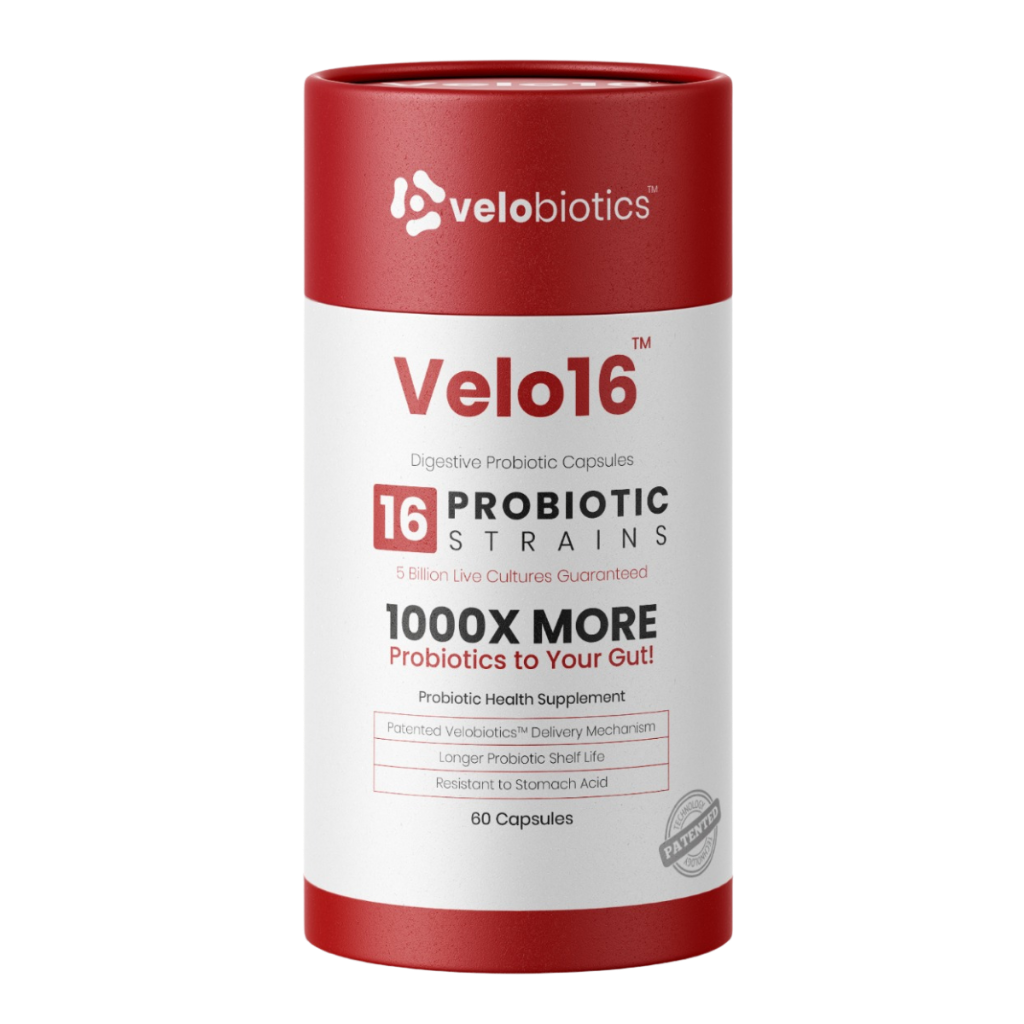
Probiotics for Women: Hormones, Vaginal Health and the Gut Connection
By Dr. Chomba Chuma, MD | Velo16™ Health Journal
If you have ever felt like your hormones are running the show — dictating your mood, your skin, your energy, and even your digestion — you are not imagining things. The intricate relationship between the gut microbiome and female hormonal health is one of the most exciting frontiers in modern medicine. As a functional medicine physician, I see women every week in Johannesburg who are dealing with PMS, hormonal acne, recurring vaginal infections, and unexplained fatigue, often never having been told that their gut bacteria could be at the root of it all.
This article is for every woman who has tried everything and still feels off-balance. We are going to explore the science of probiotics for women's health in a way that is grounded in evidence, practical, and empowering. We will cover the oestrobolome — the collection of gut bacteria responsible for metabolising oestrogen — the vaginal microbiome and how it protects your reproductive health, and the powerful connection between a balanced gut and stable hormones. By the end, you will understand why a targeted women's probiotic is not a luxury — it is a cornerstone of female wellness.
1. The Gut Microbiome: A Primer for Women
Your gut is home to approximately 38 trillion microorganisms, including bacteria, fungi, viruses, and archaea. Together, these form your gut microbiome — a living ecosystem that influences everything from immune function to mental health. For women, this ecosystem carries an additional layer of responsibility: it actively participates in the regulation of female sex hormones.
Research published in Nature Microbiology has shown that the composition of the gut microbiome differs between men and women, and that these differences are partly driven by hormonal variations. This means that strategies to optimise gut health must be tailored to the female body — a philosophy that underpins the formulation of the Velo16™ Women's Health Collection.
Why Women's Gut Health Is Uniquely Complex
Women experience a lifetime of hormonal fluctuations — from puberty through the menstrual cycle, pregnancy, perimenopause, and menopause. Each of these phases shifts the gut microbiome in significant ways. For example:
- Oestrogen promotes the growth of beneficial Lactobacillus species in both the gut and vagina.
- Progesterone can slow gut motility, contributing to bloating and constipation in the luteal phase of the menstrual cycle.
- The stress hormone cortisol disrupts microbial diversity, and women are statistically more likely to experience stress-related gut disorders such as irritable bowel syndrome (IBS).
- Antibiotic use — which disproportionately affects women due to urinary tract infections (UTIs) — can devastate beneficial gut flora and trigger secondary vaginal infections.
Understanding these dynamics is the first step to taking back control of your health. The gut is not just a digestive organ — it is a hormonal command centre.
2. The Oestrobolome: How Your Gut Bacteria Control Your Oestrogen
One of the most groundbreaking discoveries in women's health science in recent years is the concept of the oestrobolome — a term coined to describe the collection of gut microbiota capable of metabolising oestrogen. This is not a metaphor. Your gut bacteria literally process, recycle, and regulate circulating oestrogen levels in your bloodstream.
"The oestrobolome represents a critical interface between the gut microbiome and oestrogen metabolism, with significant implications for conditions ranging from PMS to breast cancer risk." — Journal of Clinical Gastroenterology, 2019
How Oestrogen Metabolism Works
Here is the simplified version of a complex biochemical process:
- Your liver produces an enzyme called glucuronidase that conjugates (binds) oestrogen for excretion via bile into the intestine.
- In a healthy gut, this conjugated oestrogen is eliminated in faeces. Job done.
- However, certain gut bacteria — particularly those that produce the enzyme beta-glucuronidase — can deconjugate (unbind) this oestrogen, allowing it to be reabsorbed into the bloodstream.
- When the oestrobolome is imbalanced (a state called dysbiosis), beta-glucuronidase activity increases, leading to higher circulating oestrogen levels — a condition called oestrogen dominance.
Oestrogen dominance is associated with a range of conditions that are remarkably common in South African women and globally, including:
- Painful, heavy periods and severe PMS
- Endometriosis and uterine fibroids
- Hormonal acne and bloating
- Increased risk of oestrogen-sensitive cancers
- Mood swings, anxiety, and depression
- Weight gain, particularly around the hips and thighs
Conversely, when dysbiosis reduces the reabsorption of oestrogen — as can happen in menopause or under extreme stress — women may experience symptoms of low oestrogen such as vaginal dryness, brain fog, and bone density loss.
Probiotics and the Oestrobolome
This is where probiotics for hormonal balance become genuinely transformative. Specific probiotic strains have been shown to modulate beta-glucuronidase activity, helping to restore oestrogen metabolism to a healthy equilibrium. A landmark study available on PubMed/NCBI demonstrated that probiotic supplementation significantly altered oestrogen excretion patterns in postmenopausal women, suggesting a meaningful effect on hormonal regulation.
The strains with the most robust evidence for oestrobolome support include Lactobacillus acidophilus, Bifidobacterium longum, and Lactobacillus reuteri — all of which are included in the Velo16™ Women's Formula. To understand the clinical rationale behind our strain selection, explore The Velo16™ Science page.
3. The Vaginal Microbiome: Your Body's First Line of Defence
Most people know about the gut microbiome, but far fewer are aware that the vagina has its own distinct microbial ecosystem — the vaginal microbiome — and that it is just as critical to a woman's health.
A healthy vaginal microbiome is unique in the microbial world. Unlike the gut, which thrives on diversity, the vaginal microbiome is characterised by low diversity and high dominance of Lactobacillus species. The four most important are:
- Lactobacillus crispatus — the gold standard of vaginal health
- Lactobacillus iners
- Lactobacillus jensenii
- Lactobacillus gasseri
These bacteria protect the vagina by producing lactic acid, which maintains a low vaginal pH (typically between 3.8 and 4.5). This acidic environment is inhospitable to pathogens, including the bacteria responsible for bacterial vaginosis (BV) and the yeast Candida albicans, which causes thrush.
What Disrupts the Vaginal Microbiome?
The vaginal microbiome is sensitive to a wide range of disruptions, including:
- Antibiotics — broad-spectrum antibiotics kill beneficial Lactobacillus alongside harmful bacteria
- Hormonal fluctuations — oestrogen supports Lactobacillus dominance; low oestrogen (as in menopause) reduces it
- Sexual activity — semen has an alkaline pH that can temporarily disrupt vaginal acidity
- Douching and harsh soaps — which disrupt the natural flora and pH balance
- Diet high in sugar and refined carbohydrates — which feeds pathogenic yeast and bacteria
- Stress — chronic stress suppresses immune defences and alters microbiome composition
The Gut-Vagina Axis
Emerging research, including studies published in Nature Microbiology, has established a direct anatomical and functional link between the gut microbiome and the vaginal microbiome — now referred to as the gut-vagina axis. Bacteria from the gut can colonise the vagina via proximity, and systemic dysbiosis can weaken the immune defences that protect vaginal flora.
This explains why women who experience recurrent BV or thrush often also report digestive issues — and why treating the gut is essential for lasting vaginal health. Oral probiotics containing Lactobacillus rhamnosus GR-1 and Lactobacillus reuteri RC-14 have been shown in multiple clinical trials to successfully colonise the vagina when taken orally, restoring healthy flora from the inside out.
"Oral administration of Lactobacillus rhamnosus GR-1 and Lactobacillus reuteri RC-14 has been demonstrated to significantly reduce the incidence of bacterial vaginosis and support restoration of normal vaginal flora." — Harvard Health Publishing
This is precisely why we developed a women-specific formula at Velo16™. Generic probiotics do not carry the strains most relevant to female reproductive health. A targeted women's probiotic in South Africa that addresses both gut and vaginal microbiome health is long overdue.
[INFOGRAPHIC_PLACEHOLDER: The Female Microbiome Map — Illustrating the gut-vagina axis, oestrobolome function, key Lactobacillus strains, and how probiotics support hormonal and vaginal health]
4. Probiotics and Menstrual Health: More Connected Than You Think
The conversation around probiotics and menstrual health is gaining significant traction in functional medicine, and for good reason. The menstrual cycle is a monthly hormonal symphony, and when the gut microbiome is out of tune, the entire performance suffers.
PMS and Gut Dysbiosis
Premenstrual syndrome (PMS) affects up to 75% of menstruating women, according to the World Health Organization. Symptoms include bloating, mood changes, breast tenderness, food cravings, fatigue, and irritability. While hormonal fluctuations are the primary driver, gut dysbiosis amplifies every symptom through several mechanisms:
- Leaky gut and inflammation: A compromised gut lining allows lipopolysaccharides (LPS) — inflammatory molecules from bacterial cell walls — to enter the bloodstream, increasing systemic inflammation that worsens cramping and mood disturbances.
- Serotonin depletion: Approximately 90% of the body's serotonin is produced in the gut. An imbalanced microbiome reduces serotonin production, directly contributing to premenstrual depression and anxiety.
- Oestrogen dominance: As discussed, an overactive oestrobolome recirculates excess oestrogen, intensifying PMS symptoms and heavy bleeding.
- Magnesium absorption: Certain gut bacteria are essential for the absorption of magnesium — a mineral that is well-documented to reduce menstrual cramps and mood symptoms.
Endometriosis and the Microbiome
Endometriosis — a condition where uterine-like tissue grows outside the uterus — affects approximately 10% of women of reproductive age globally. Research published on PubMed/NCBI has found that women with endometriosis demonstrate significantly altered gut and uterine microbiomes compared to healthy controls. The chronic inflammation associated with gut dysbiosis is now considered a key driver of endometriosis progression.
While probiotics are not a cure for endometriosis, supporting the gut microbiome as part of a comprehensive treatment plan is increasingly recommended by functional medicine practitioners. Reducing systemic inflammation, improving oestrogen metabolism, and supporting immune function through probiotic supplementation all address underlying pathways of the disease.
Menopause and the Changing Microbiome
As women approach menopause and oestrogen levels decline, the gut microbiome shifts significantly — often losing beneficial Lactobacillus and Bifidobacterium species. This decline is associated with increased visceral fat, metabolic changes, mood disturbances, and a higher risk of cardiovascular disease and osteoporosis.
A Harvard Health Publishing review highlights that probiotic supplementation during perimenopause and menopause may help mitigate some of these changes by supporting oestrogen metabolism, reducing inflammation, and improving bone density through enhanced calcium absorption.
5. Choosing the Right Probiotic as a Woman
Not all probiotics are created equal — and this is especially true for women. The supplement market is flooded with generic multi-strain products that are not formulated with female physiology in mind. Here is what to look for when choosing a women's probiotic in South Africa or anywhere in the world.
Strain Specificity Matters
The health benefits of probiotics are strain-specific. A probiotic labelled "Lactobacillus" without the full strain designation (e.g., Lactobacillus rhamnosus GR-1) may offer completely different — or no — benefits for vaginal or hormonal health. Key strains for women include:
- Lactobacillus rhamnosus GR-1 — clinically proven for vaginal health and BV prevention
- Lactobacillus reuteri RC-14 — colonises the vaginal epithelium and reduces pathogen adhesion
- Lactobacillus acidophilus — supports gut integrity and oestrobolome balance
- Bifidobacterium longum — reduces systemic inflammation and supports mental health via the gut-brain axis
- Lactobacillus reuteri — supports immune regulation and reduces beta-glucuronidase activity
CFU Count and Viability
Look for a product that guarantees CFU (colony-forming unit) counts at the time of expiry — not just at manufacturing. A probiotic that claims 50 billion CFU at production but degrades to 5 billion by the time you take it is not delivering what it promises. Velo16™ uses advanced encapsulation technology to ensure strain viability through to end of shelf life.
Prebiotics and Synbiotics
Probiotics work best when paired with prebiotics — dietary fibres that feed beneficial bacteria. Products that combine both are called synbiotics. The Velo16™ Women's Formula includes prebiotic support to ensure that introduced strains can thrive and proliferate within your unique microbiome ecosystem.
Diet, Lifestyle, and Holistic Support
Probiotics are powerful, but they work best alongside a gut-friendly lifestyle. Consider:
- Eating a diverse, fibre-rich diet with plenty of vegetables, legumes, and whole grains
- Including fermented foods such as yoghurt, kefir, sauerkraut, and kimchi
- Reducing sugar, alcohol, and ultra-processed foods that feed pathogenic bacteria
- Managing stress through exercise, mindfulness, and adequate sleep
- Avoiding unnecessary antibiotic use and always following up antibiotics with a probiotic course
If you are also dealing with hormonal acne as part of your hormonal imbalance picture, you may find value in taking our Clear Skin Quiz — which helps identify the gut and hormonal drivers of skin breakouts specific to your profile.
6. Velo16™ Women's Formula: Designed for the Female Body
At Velo16™, we founded this company because we believed South African women deserved access to a probiotic formulated with the precision and clinical insight that their health demands. The Velo16™ Women's Formula is not a generic probiotic with a pink label. It is a clinically informed, multi-strain synbiotic product developed specifically around the science of the female microbiome.
What Makes Velo16™ Different
- Women-specific strain selection — every strain chosen for its documented relevance to female hormonal, vaginal, and gut health
- Oestrobolome support — formulated to modulate beta-glucuronidase activity and support healthy oestrogen metabolism
- Vaginal microbiome colonisation — includes oral strains clinically shown to migrate and colonise the vaginal epithelium
- Gut-brain axis support — includes strains that support serotonin production and reduce anxiety associated with hormonal fluctuations
- Advanced delivery system — acid-resistant capsules that ensure strains reach the colon alive
- Made for South African women — formulated with an understanding of the dietary patterns, stress profiles, and health challenges common in our context
Whether you are navigating PMS, recovering from recurrent BV, managing perimenopausal symptoms, or simply wanting to invest in your long-term hormonal health, the Velo16™ Women's Health Collection has been built for you.
You can also browse our full range of evidence-based supplements at the Shop All Velo16™ Products page, and dive deeper into the research that underpins our formulations on The Velo16™ Science page.
"When we understand that the gut is the cornerstone of female hormonal health, supplementation stops being optional and starts being essential. The Velo16™ Women's Formula represents our commitment to giving women the tools their bodies have always needed." — Dr. Chomba Chuma, MD, Founder of Velo16™
Frequently Asked Questions
Can probiotics really help with hormonal imbalance in women?
Yes — through their influence on the oestrobolome, specific probiotic strains can meaningfully affect how oestrogen is metabolised and circulated in the body. By reducing excessive beta-glucuronidase activity in the gut, probiotics can help prevent oestrogen from being reabsorbed into the bloodstream at unhealthy levels. This can reduce symptoms of oestrogen dominance such as PMS, heavy periods, hormonal acne, and mood swings. While probiotics are not a standalone treatment for severe hormonal disorders, they are an evidence-based adjunct to a comprehensive hormonal health strategy.
How do oral probiotics help with vaginal health?
It may seem counterintuitive, but certain oral probiotic strains — particularly Lactobacillus rhamnosus GR-1 and Lactobacillus reuteri RC-14 — have been clinically demonstrated to migrate from the gut to the vaginal epithelium when taken orally. Once there, they help restore a healthy Lactobacillus-dominant environment, lower vaginal pH, and compete with pathogenic bacteria and yeast. Multiple randomised controlled trials have shown that these strains reduce the recurrence of bacterial vaginosis and yeast infections.
How long does it take for probiotics to make a difference for women's health?
Most women begin to notice improvements in digestive comfort within 1–2 weeks of consistent probiotic use. Changes to vaginal health, hormonal symptoms, and menstrual wellbeing typically take longer — usually 4–12 weeks of daily supplementation. This is because rebalancing the gut and vaginal microbiomes is a gradual process. Consistency is key: probiotics must be taken daily for sustained benefit, and results are enhanced when combined with a gut-supportive diet and lifestyle.
Are there any side effects of taking women's probiotics?
Probiotics are generally very well tolerated. In the first 1–2 weeks, some women experience mild bloating or changes in bowel habits as the gut adjusts to the new microbial input. These symptoms are typically transient. Women who are immunocompromised, pregnant, or on immunosuppressant medications should consult their healthcare provider before starting any probiotic supplement. Always choose a product from a reputable brand that provides transparent strain information and third-party testing.
Is Velo16™ Women's Formula available in South Africa?
Yes — Velo16™ is a proudly South African brand with nationwide delivery. You can order the Women's Formula and all other products directly through our Shop All Velo16™ Products page. We offer secure checkout, reliable courier delivery, and a satisfaction guarantee. For product-specific enquiries or guidance on which formula is right for your health goals, you are welcome to reach out to our team directly or explore the Velo16™ Health Journal for more evidence-based articles on women's health, gut science, and microbiome wellbeing.
Ready to Support Your Hormones from the Inside Out?
Your gut is the foundation of your hormonal health. Whether you are managing PMS, recovering from recurrent infections, navigating menopause, or simply investing in your long-term wellbeing — the Velo16™ Women's Formula is clinically designed to work with your body's unique biology.
Take the first step today. Explore our purpose-built women's probiotic and discover why thousands of South African women are choosing Velo16™ as their trusted gut health partner.
→ Explore the Velo16™ Women's Health Collection
→ Shop All Velo16™ Products
→ Read the Science Behind Our Formulas
→ Visit the Velo16™ Health Journal for More Expert Insights
```