
Probiotics for Women: Hormones, Vaginal Health and the Gut Connection
By Dr. Chomba Chuma, MD | Velo16™ Health Journal
If you have ever wondered why your mood shifts dramatically in the week before your period, why recurrent vaginal infections seem to follow stressful periods in your life, or why hormonal imbalances are so stubbornly difficult to resolve with diet alone — the answer may lie somewhere most people never think to look: your gut. Specifically, the trillions of bacteria living inside it.
As a functional medicine physician, I have spent years working with women who arrive at my practice frustrated. They have tried every hormonal supplement, adjusted their diets, managed their stress — and yet something still feels off. In a significant number of these cases, the missing piece is gut microbiome health. And more precisely, its profound, bidirectional relationship with female hormones, vaginal health, and overall wellbeing.
In this article, we are going to go deep. We will explore the science of the oestrobolome — the gut bacteria responsible for metabolising oestrogen — how the vaginal microbiome protects your reproductive health, and why a targeted women's probiotic may be one of the most powerful tools in your health toolkit. This is the gut-hormone conversation that every woman deserves to have.
The Gut Microbiome: Your Body's Hidden Hormonal Laboratory
Your gut is home to approximately 38 trillion microorganisms — bacteria, fungi, viruses, and archaea — collectively known as the gut microbiome. This ecosystem is so metabolically active that researchers at institutions like Harvard Health Publishing have described it as a "virtual organ" — one that influences immunity, metabolism, mental health, and, critically for women, hormonal regulation.
What many women — and even many clinicians — do not fully appreciate is that the gut microbiome does not merely digest food. It actively participates in hormonal chemistry. It produces neurotransmitters. It modulates immune responses. And it plays a central role in how your body handles oestrogen, one of the most influential hormones in a woman's life.
Why Women's Gut Health Is Uniquely Complex
Women experience more gut-related conditions than men — including higher rates of irritable bowel syndrome (IBS), autoimmune conditions, and mood disorders — and emerging research suggests that sex hormones themselves influence gut microbiome composition. A 2019 study published in NCBI/PubMed found that oestrogen and progesterone directly affect gut motility, intestinal permeability, and microbial diversity, creating a cyclical, deeply interconnected system.
This means that for women, gut health and hormonal health are not separate concerns. They are part of the same conversation. And probiotics for women's health — the right strains, in the right doses — can meaningfully influence both.
The Oestrobolome: The Gut's Hormonal Control Centre
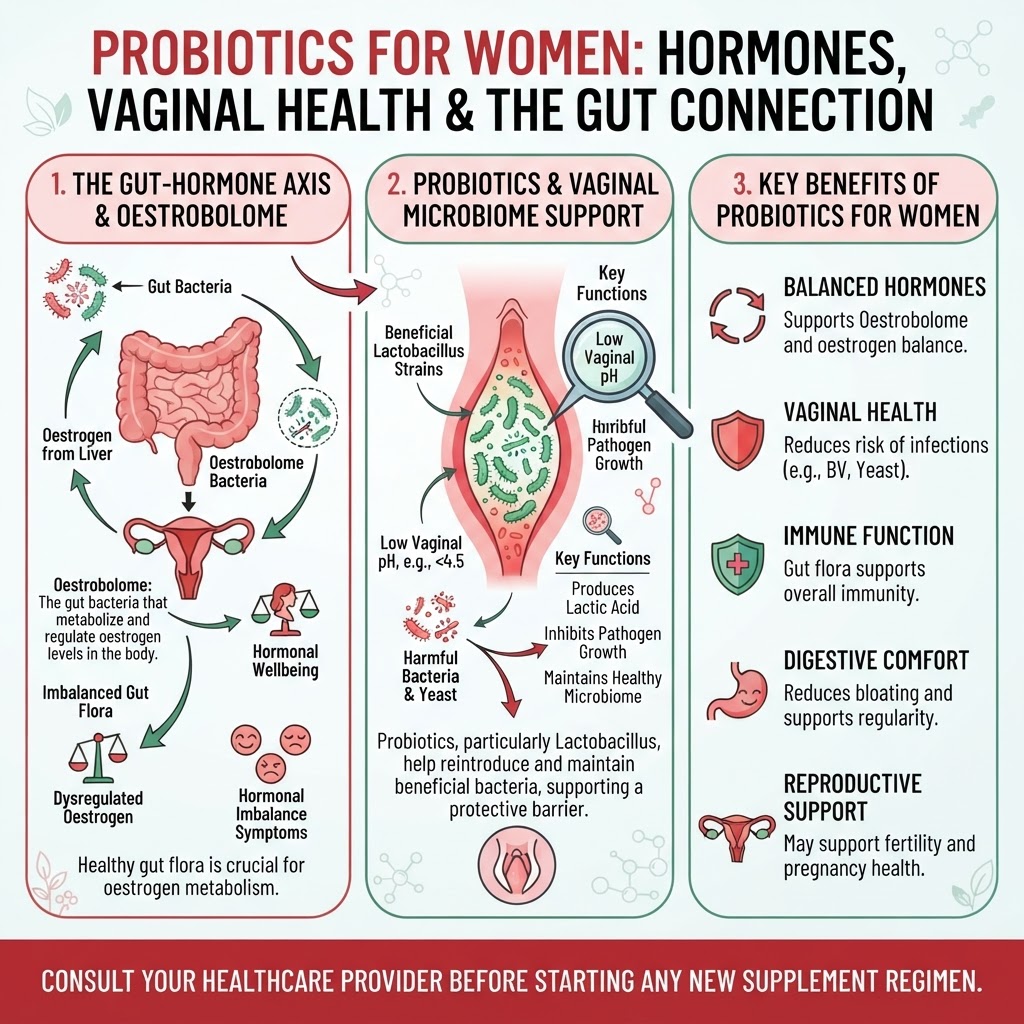
Let us talk about one of the most exciting and underappreciated discoveries in women's health science: the oestrobolome. This term refers to the specific collection of gut microbes that possess the genes capable of metabolising oestrogen. Think of the oestrobolome as your gut's very own hormonal control panel.
Here is how it works. Oestrogen, after being used by your tissues, is sent to the liver to be deactivated. The liver conjugates (binds) oestrogen and sends it to the gut via bile for elimination. In a healthy gut, much of this conjugated oestrogen is excreted in stool. However, certain gut bacteria produce an enzyme called beta-glucuronidase, which can deconjugate oestrogen — essentially reactivating it and allowing it to be reabsorbed into the bloodstream through the gut wall.
"The oestrobolome regulates the enterohepatic circulation of oestrogens, influencing their systemic levels. An imbalanced oestrobolome may contribute to conditions such as oestrogen dominance, endometriosis, and even breast cancer risk." — Plottel & Blaser, Science Translational Medicine (via NCBI)
What Happens When the Oestrobolome Is Disrupted?
When your gut microbiome is in a state of dysbiosis (imbalance), the oestrobolome is also disrupted. An overgrowth of beta-glucuronidase-producing bacteria can cause excessive oestrogen reabsorption, leading to a state of oestrogen dominance. This hormonal imbalance is linked to:
- Heavy, painful, or irregular periods
- Premenstrual syndrome (PMS) and severe mood swings
- Endometriosis and uterine fibroids
- Hormonal acne and breast tenderness
- Difficulty losing weight, particularly around the hips and thighs
- Heightened risk of oestrogen-sensitive cancers over the long term
Conversely, a depleted gut microbiome — one damaged by antibiotics, a poor diet, or chronic stress — may under-produce the enzymes needed to maintain healthy oestrogen cycling, contributing to low oestrogen states associated with irregular cycles, low libido, and early perimenopause symptoms.
Probiotics and the Oestrobolome: The Research
Can probiotics actually influence oestrogen levels? The evidence is building. Research published in the Journal of Clinical Gastroenterology has shown that probiotic supplementation can shift the composition of the gut microbiome in ways that modulate beta-glucuronidase activity, thereby supporting healthier oestrogen metabolism. Specific strains — particularly Lactobacillus acidophilus, Bifidobacterium longum, and Lactobacillus reuteri — have demonstrated the ability to reduce inflammatory pathways and support oestrogen clearance.
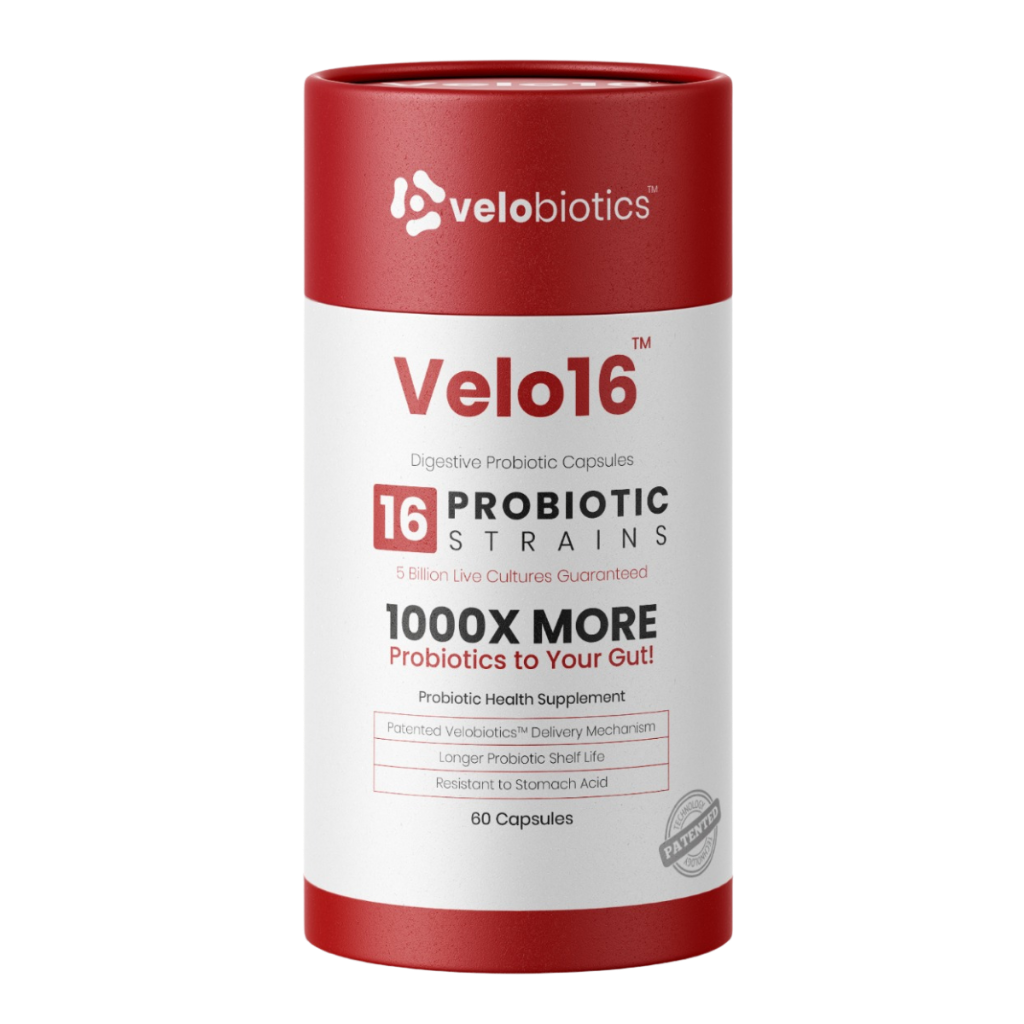
This is precisely why the Velo16™ Women's Health Collection was formulated with strain specificity in mind. Not all probiotics are equal, and when it comes to probiotics for hormonal balance, the strains matter enormously.
Vaginal Microbiome Health: What Every Woman Needs to Know
The vaginal microbiome is one of the most unique microbial ecosystems in the human body. Unlike the gut — which thrives on diversity — a healthy vaginal microbiome is characterised by low diversity and high dominance of Lactobacillus species. This is not a flaw in design; it is a sophisticated protective mechanism.
Lactobacillus bacteria produce lactic acid, which maintains the vaginal pH at a protective level of approximately 3.8–4.5. This acidic environment creates a natural barrier against:
- Bacterial vaginosis (BV) — the most common vaginal condition in women of reproductive age, characterised by an overgrowth of anaerobic bacteria
- Vulvovaginal candidiasis (thrush) — caused by Candida albicans overgrowth
- Sexually transmitted infections (STIs) — a healthy vaginal microbiome reduces susceptibility to several STIs, including HIV
- Urinary tract infections (UTIs) — the periurethral area is protected by Lactobacillus colonisation
"Disruption of the vaginal microbiome is associated not only with local infections but with adverse reproductive outcomes, including preterm birth and increased STI susceptibility." — Nature Microbiology, 2019
The Gut-Vagina Axis: How Your Gut Affects Vaginal Flora
Here is something that surprises many of my patients: the gut and the vagina are microbiologically connected. The gastrointestinal tract is, in many women, the primary reservoir from which vaginal Lactobacillus species are replenished. Poor gut microbial diversity, gut dysbiosis, and intestinal inflammation can therefore directly impair the quality and resilience of the vaginal microbiome.
This gut-vagina axis helps explain why women who experience recurrent BV or thrush often also report digestive complaints — bloating, irregular bowel habits, or food sensitivities. The gut is not just a coincidental bystander; it is an active participant in vaginal health.
Which Probiotic Strains Support the Vaginal Microbiome?
The most extensively researched strains for vaginal health include:
- Lactobacillus rhamnosus GR-1 — one of the most studied strains for preventing and reducing BV and thrush. Clinical trials have demonstrated its ability to colonise the vaginal epithelium and displace pathogenic bacteria.
- Lactobacillus reuteri RC-14 — frequently paired with GR-1 in research, this strain produces hydrogen peroxide and bacteriocins that inhibit Candida and anaerobic pathogens.
- Lactobacillus acidophilus — supports both gut and vaginal lactic acid production, helping maintain the protective acidic pH.
- Lactobacillus crispatus — naturally dominant in healthy vaginal microbiomes; supplementation supports restoration after antibiotic use.
These are not generic, supermarket-shelf strains. These are clinically identified, evidence-backed organisms that have been studied in peer-reviewed trials for their specific effects on women's reproductive and hormonal health. You can explore The Velo16™ Science page to see how we have incorporated this research into our formulations.
Gut Hormones, Mental Health and the Menstrual Cycle
The conversation about gut hormones in women extends well beyond oestrogen. The gut is the body's largest producer of serotonin — approximately 90–95% of the body's serotonin is produced in the gut by specialised enterochromaffin cells, a process directly influenced by gut bacteria. Serotonin is not just a "happiness chemical"; it regulates mood, sleep, appetite, and crucially, sensitivity to pain — including menstrual pain.
Dysbiosis-driven reductions in gut serotonin production have been linked to:
- Premenstrual dysphoric disorder (PMDD)
- Heightened menstrual pain (dysmenorrhoea)
- Anxiety and depression that worsen in the luteal phase
- Sleep disturbances around the time of menstruation
- Heightened inflammatory responses during the cycle
The Inflammation-Hormone Connection
Gut dysbiosis drives systemic inflammation through a well-documented mechanism: increased intestinal permeability (often called "leaky gut"). When the gut lining becomes permeable, bacterial lipopolysaccharides (LPS) — inflammatory molecules from gram-negative bacteria — can enter the bloodstream. This triggers a chronic, low-grade inflammatory response that directly disrupts the hypothalamic-pituitary-ovarian (HPO) axis — the command centre of the female reproductive hormonal system.
The World Health Organization estimates that endometriosis — a profoundly inflammatory, oestrogen-driven condition — affects approximately 10% of women of reproductive age globally. Emerging research is now drawing direct lines between gut dysbiosis, oestrobolome imbalance, and endometriosis progression.
Probiotics, Menstrual Health and the Cycle
Probiotics for menstrual health represent a genuinely exciting frontier. A 2018 randomised controlled trial published on PubMed found that probiotic supplementation in women with dysmenorrhoea significantly reduced pain scores and inflammatory markers compared to placebo. The proposed mechanism involves reduced prostaglandin production — prostaglandins being the inflammatory compounds primarily responsible for menstrual cramping.
Supporting the gut microbiome through targeted probiotic therapy, alongside dietary fibre (which feeds beneficial bacteria) and reducing ultra-processed foods, creates a measurable, meaningful shift in the hormonal environment that governs cycle health.
Choosing the Right Probiotic: What South African Women Should Know
The South African supplement market has grown exponentially, and with it, the confusion surrounding probiotic products. Walking into a pharmacy, you might encounter dozens of options with varying CFU counts, strain combinations, and price points. As a physician, my guidance to patients is consistent: strain specificity, survivability, and clinical evidence are the three non-negotiable criteria when selecting a women's probiotic.
CFU Count: More Is Not Always Better
CFU (Colony Forming Units) refers to the number of live bacteria in a supplement. While adequate CFU counts matter, the research suggests that strain selection is more important than raw numbers. A probiotic with 10 billion CFU of the right strains will outperform one with 100 billion CFU of poorly studied or irrelevant organisms every time.
Survivability: Getting Bacteria to Where It Matters
Probiotic bacteria must survive the acidic environment of the stomach, resist bile salts, and reach the gut and reproductive tract alive to be effective. This is why delivery technology — including acid-resistant capsules or microencapsulation — matters significantly. Many cheap probiotics on the South African market are essentially inactivated by stomach acid before they ever reach their target.
Why Velo16™ Women's Formula Was Designed Differently
As the founder of Velo16™, I designed our Women's Formula after years of clinical practice and reviewing hundreds of peer-reviewed studies. Our formulation combines:
- Clinically validated Lactobacillus strains specific to vaginal and gut microbiome health
- Prebiotic support to feed and sustain probiotic colonies
- Acid-resistant delivery technology to ensure survivability through the GI tract
- Oestrobolome-supportive strains that help regulate beta-glucuronidase activity
For women across South Africa — navigating high-stress urban lifestyles, widespread antibiotic use, and diets often high in refined carbohydrates — the need for a sophisticated, evidence-based women's probiotic in South Africa has never been clearer. You can explore the full range when you Shop All Velo16™ Products.
Lifestyle Factors That Support Probiotic Effectiveness
Probiotics work best as part of a comprehensive approach to women's gut and hormonal health. To maximise results, I advise my patients to:
- Increase dietary fibre — aim for 25–35g per day from vegetables, legumes, and whole grains to feed beneficial gut bacteria
- Reduce sugar and refined carbohydrates — these fuel Candida and dysbiotic bacteria
- Limit unnecessary antibiotic use — antibiotics are one of the most significant drivers of gut and vaginal microbiome disruption
- Manage stress actively — cortisol directly alters gut motility and microbial composition
- Avoid harsh vaginal hygiene products — douching and heavily scented products disrupt the vaginal microbiome's natural pH
- Stay hydrated and prioritise sleep — both have measurable effects on gut microbial diversity
Curious about how your skin — another reflection of gut and hormonal health — is performing? Consider taking the Take the Clear Skin Quiz to understand your gut-skin-hormone connection better.
The Bigger Picture: Gut Health as a Foundation for Women's Wellness
What I want every woman reading this to take away is simple, but profound: your gut is not just about digestion. It is about hormones. It is about mood. It is about vaginal health, menstrual health, reproductive outcomes, and long-term disease prevention. The microbiome is, in the truest sense of the word, foundational to female health.
The evidence connecting gut dysbiosis to oestrogen dominance, BV, endometriosis, PMDD, and perimenopausal symptoms is no longer speculative. It is the subject of rapidly growing, high-quality research published in journals like Nature Microbiology and rigorously reviewed in clinical settings globally. And the intervention — targeted probiotic therapy alongside dietary and lifestyle support — is among the most accessible and well-tolerated tools available to women today.
Whether you are navigating PMS, dealing with recurrent infections, managing perimenopause, or simply looking to optimise your hormonal health proactively, understanding and supporting your microbiome is one of the most powerful things you can do. The Velo16™ Health Journal is dedicated to bringing you this level of evidence-based guidance regularly — because you deserve health information that is honest, thorough, and genuinely rooted in science.
Frequently Asked Questions
Can probiotics actually help with hormonal imbalance in women?
Yes — through the mechanism of the oestrobolome, targeted probiotic supplementation can support healthier oestrogen metabolism by modulating gut bacterial beta-glucuronidase activity. This can help reduce oestrogen dominance, support more regular menstrual cycles, and alleviate symptoms like PMS, mood swings, and bloating. The key is using evidence-based strains in therapeutic doses, such as those found in the Velo16™ Women's Formula, rather than generic over-the-counter products.
How long do probiotics take to work for vaginal health?
Clinical research suggests that meaningful changes to the vaginal microbiome can begin to occur within two to four weeks of consistent probiotic supplementation. However, significant and sustained improvements — particularly for recurrent BV or thrush — typically require three to six months of consistent use alongside appropriate dietary changes. Individual results vary depending on the degree of dysbiosis, antibiotic history, and lifestyle factors.
Is it safe to take probiotics during pregnancy in South Africa?
Certain probiotic strains — particularly Lactobacillus rhamnosus and Bifidobacterium species — have been studied in pregnancy and are generally considered safe. In fact, the vaginal microbiome plays a crucial role in pregnancy outcomes, and supporting it through targeted probiotics may reduce the risk of preterm labour linked to BV. However, all supplementation during pregnancy should be discussed with your healthcare provider. Velo16™ recommends consulting your obstetrician or GP before beginning any new supplement regimen during pregnancy.
Can I take probiotics while on antibiotics or the contraceptive pill?
Yes, and this is actually one of the most important times to take a women's probiotic. Antibiotics are one of the most significant disruptors of both gut and vaginal microbiomes. Taking probiotics during and after antibiotic courses — ideally at least two hours apart from the antibiotic dose — can meaningfully reduce the risk of secondary infections like thrush. The oral contraceptive pill also alters the gut microbiome, affecting oestrogen metabolism via the oestrobolome. Probiotic supplementation can help mitigate these effects.
What makes Velo16™ Women's Probiotic different from other products in South Africa?
Velo16™ Women's Formula is specifically formulated based on peer-reviewed clinical research, using strains validated for their effects on the oestrobolome, vaginal microbiome, and gut-hormone axis — not simply a generic blend of high-CFU bacteria. Our products use advanced delivery technology to ensure strain survivability through the stomach acid environment. As a physician-founded brand, every formulation decision is grounded in clinical evidence and functional medicine principles, making Velo16™ one of the most science-driven women's probiotic options available in South Africa today.
Ready to Support Your Hormones, Gut and Vaginal Health?
The science is clear: a healthy gut microbiome is the foundation of female hormonal wellbeing. Velo16™ Women's Formula brings together clinically validated probiotic strains — specifically chosen for the oestrobolome, vaginal microbiome, and menstrual health — in one sophisticated, physician-designed supplement.
Join thousands of South African women taking charge of their gut and hormonal health with Velo16™.