
The Gut-Brain Axis: How Your Microbiome Controls Your Mood, Focus and Memory
By Dr. Chomba Chuma, MD | Velo16™ Health Journal
Have you ever had a "gut feeling" about something? Felt butterflies in your stomach before a big presentation, or noticed your thinking go foggy during a stressful week? These everyday experiences are not coincidences or poetic metaphors — they are the direct expression of one of the most fascinating and clinically significant discoveries in modern medicine: the gut-brain axis.
As a functional medicine physician, I spend a great deal of time with patients who come to me complaining of brain fog, low mood, poor memory, and an inability to focus. Many of them have already tried conventional interventions with limited success. What they haven't been told — and what the research is now making unmistakably clear — is that the root cause of their cognitive struggles may not be in their head at all. It may be in their gut.
In this article, I want to walk you through the science of how your gut microbiome communicates with your brain, how specific bacteria manufacture the very neurotransmitters that regulate your mood and cognition, why Lion's Mane mushroom has become one of the most compelling cognitive health tools in functional medicine, and what a practical daily stack looks like for peak mental performance. Let's start where all good health conversations should start — in the gut.
1. What Is the Gut-Brain Axis, and Why Should You Care?
The gut-brain axis refers to the bidirectional communication network that links your enteric nervous system (the nervous system embedded in your gastrointestinal tract) with your central nervous system (your brain and spinal cord). This is not a new concept — gastroenterologists have understood for decades that the gut and brain influence one another. What is new, and what is genuinely paradigm-shifting, is the role the microbiome plays as a third actor in this dialogue.
Your gut is home to approximately 38 trillion microbial organisms — bacteria, fungi, archaea, and viruses — collectively known as the gut microbiome. Research published in PNAS estimates that microbial cells in the human body are roughly equivalent in number to human cells, making us, in a very real sense, as much microbial as we are human. These microorganisms are not passive passengers. They are metabolically active, biochemically sophisticated, and deeply influential over virtually every system in your body — including your brain.
The Three Communication Highways
The gut communicates with the brain through three primary channels:
- Neural pathways — primarily the vagus nerve, which carries signals in both directions between the gut and brain
- Endocrine pathways — gut hormones and neuropeptides that enter the bloodstream and cross the blood-brain barrier
- Immune pathways — immune cells and inflammatory cytokines that are largely regulated by the gut microbiome and affect neuroinflammation
Understanding these highways is the key to understanding why what happens in your gut shows up as what you feel, think, and remember. And it is the scientific foundation upon which the Velo16™ Cognitive Health Collection was built.
2. The Vagus Nerve: Your Body's Information Superhighway
If the gut-brain axis is a communication network, the vagus nerve is its primary fibre-optic cable. The vagus nerve is the tenth cranial nerve and the longest nerve in the autonomic nervous system. It runs from your brainstem all the way down through your neck, chest, and abdomen, innervating your heart, lungs, and digestive organs.
Here is what most people don't appreciate: approximately 80–90% of the signals travelling along the vagus nerve travel upward — from the gut to the brain, not the other way around. This means your gut is sending far more information to your brain than your brain sends back. Your gut is not just responding to your brain's commands; it is actively informing, modulating, and in many ways directing your brain's activity.
"The enteric nervous system is so extensive and so sophisticated in its function that many neuroscientists now refer to it as 'the second brain.' It contains over 500 million neurons — five times more than the spinal cord."
How Gut Bacteria Activate the Vagus Nerve
Specific gut bacteria produce metabolites and signalling molecules — including short-chain fatty acids (SCFAs), secondary bile acids, and neurotransmitter precursors — that directly activate specialised sensory cells lining the gut wall called enterochromaffin cells. These cells then transmit signals via the vagus nerve to the brainstem and higher brain centres.
Studies have demonstrated that certain Lactobacillus and Bifidobacterium species can modulate vagal tone, influencing anxiety-like behaviour, stress responses, and even social cognition. In animal models, cutting the vagus nerve abolishes the behavioural effects of probiotic supplementation — compelling evidence that the vagus nerve is the primary mediator of the microbiome's influence on the brain.
Vagal Tone and Cognitive Performance
Vagal tone — a measure of how well your vagus nerve functions — is increasingly recognised as a biomarker of both mental and physical health. High vagal tone is associated with better emotional regulation, improved working memory, faster cognitive processing, and greater resilience to stress. Low vagal tone, by contrast, is linked to depression, anxiety, cognitive impairment, and systemic inflammation.
One of the most powerful, evidence-backed ways to improve vagal tone is through targeted probiotic supplementation — a key reason why probiotics for focus and cognition are gaining so much clinical attention.
3. Your Gut Bacteria Are Running a Neurotransmitter Factory
This is where the science becomes truly extraordinary. Your gut bacteria are not merely passive residents of your digestive tract. They are active biochemical manufacturers, producing and modulating the very neurotransmitters that govern your mood, motivation, focus, and memory.
Serotonin: The Mood Molecule Made in Your Gut
Serotonin is widely known as a "happiness neurotransmitter," but here is the statistic that surprises almost every patient I share it with: approximately 90–95% of your body's serotonin is produced in the gut, not the brain. Specific gut bacteria — including Lactobacillus rhamnosus, Bifidobacterium longum, and certain Clostridium species — stimulate enterochromaffin cells to produce serotonin, which then influences gut motility, pain perception, and, critically, brain function via the vagus nerve and bloodstream.
Research published in Cell showed that germ-free mice — those raised without any gut bacteria — had significantly altered serotonin levels compared to conventionally raised mice, and that colonising them with specific bacteria restored normal serotonin production. The gut-mood connection is biochemical, measurable, and modifiable.
GABA and Dopamine: The Focus and Calm Duo
Beyond serotonin, gut bacteria also produce or stimulate the production of GABA (gamma-aminobutyric acid), the brain's primary inhibitory neurotransmitter responsible for reducing anxiety and promoting calm, focused attention. Lactobacillus rhamnosus has been shown in landmark studies from the Bravo et al. group to increase GABA receptor expression in the brain and significantly reduce anxiety and depressive behaviour in animal models.
Dopamine precursors, including L-DOPA and tyrosine, are also influenced by microbial metabolism. The microbiome-mental health relationship extends to the entire spectrum of neurotransmitter biochemistry that underpins executive function, working memory, and motivational drive.
Short-Chain Fatty Acids and Brain Inflammation
Perhaps the most clinically significant metabolites produced by gut bacteria are short-chain fatty acids (SCFAs) — particularly butyrate, acetate, and propionate. SCFAs are produced when beneficial bacteria ferment dietary fibre. Butyrate, in particular, has been shown to:
- Strengthen the integrity of the blood-brain barrier, reducing neuroinflammation
- Inhibit histone deacetylase enzymes, positively influencing gene expression in the brain
- Stimulate the production of brain-derived neurotrophic factor (BDNF) — the brain's primary growth and repair protein
- Modulate microglial activation, the immune cells of the brain
"Dysbiosis — an imbalance in the gut microbiome — has now been associated with a wide range of neurological and psychiatric conditions, including depression, anxiety, Alzheimer's disease, Parkinson's disease, and ADHD."
This is why restoring microbial balance through high-quality, clinically formulated probiotics is not merely about digestive health — it is a direct intervention for cognitive health. Explore The Velo16™ Science to see the specific strains and mechanisms behind our formulations.
4. Lion's Mane Mushroom: The Cognitive Health Supplement That Rewires Your Brain
If probiotics are the foundation of the gut-brain cognitive stack, Lion's Mane mushroom (Hericium erinaceus) is the superstructure built upon it. Lion's Mane is a medicinal mushroom with a history of use in Traditional Chinese Medicine spanning centuries. But it is the modern clinical science that has elevated it to one of the most credible and exciting cognitive health supplements available today.
What Makes Lion's Mane Unique: NGF Stimulation
The mechanism that distinguishes Lion's Mane from virtually every other natural cognitive supplement is its ability to stimulate the production of Nerve Growth Factor (NGF). NGF is a protein that plays a critical role in the growth, maintenance, and survival of neurons. Without adequate NGF, neurons atrophy and die — a process central to age-related cognitive decline and neurodegenerative diseases.
Lion's Mane contains two unique classes of bioactive compounds — hericenones (found in the fruiting body) and erinacines (found in the mycelium) — both of which have been demonstrated to cross the blood-brain barrier and stimulate NGF synthesis.
A landmark double-blind, placebo-controlled clinical trial published in Phytotherapy Research found that Japanese adults aged 50–80 with mild cognitive impairment who consumed Lion's Mane extract for 16 weeks showed significantly improved cognitive function scores compared to placebo — and that these improvements reversed after supplementation was discontinued, confirming the mushroom's active role.
Lion's Mane and BDNF: The Brain's Fertiliser
Beyond NGF, Lion's Mane has also been shown to influence Brain-Derived Neurotrophic Factor (BDNF) — sometimes called "fertiliser for the brain." BDNF supports the survival of existing neurons, encourages the growth of new neurons (neurogenesis) in the hippocampus — the brain's memory centre — and facilitates synaptic plasticity, which is the cellular basis of learning and memory.
Low BDNF levels have been consistently associated with depression, anxiety, cognitive decline, and treatment-resistant mental health conditions. Research in the International Journal of Molecular Sciences confirmed Lion's Mane's ability to upregulate BDNF expression in hippocampal neurons, providing a plausible neurobiological mechanism for the cognitive and mood improvements observed in clinical trials.
Anti-Inflammatory and Neuroprotective Properties
Neuroinflammation — chronic, low-grade inflammation in the brain — is now recognised as a core driver of brain fog, depression, and neurodegenerative disease. Lion's Mane demonstrates potent anti-neuroinflammatory activity by inhibiting key inflammatory mediators including TNF-α, IL-6, and NF-κB.
Studies in the Journal of Agricultural and Food Chemistry have documented Lion's Mane's neuroprotective properties against amyloid-beta plaque formation — the hallmark pathology of Alzheimer's disease — making it a compelling preventive tool for long-term brain health, not just short-term cognitive enhancement.
Lion's Mane mushroom benefits extend across the full spectrum of cognitive domains: memory consolidation, processing speed, mental clarity, emotional resilience, and neuroprotection against age-related decline. This is why it forms the cornerstone of the Velo16™ cognitive health formulation.
5. The Synergy: Why Probiotics + Lion's Mane Is the Complete Cognitive Stack
Neither probiotics nor Lion's Mane works in isolation. The true power of this combination lies in the synergistic complementarity of their mechanisms. Let me explain how these two interventions work together to create a comprehensive cognitive health protocol.
Step 1 — Restore the Gut Foundation
High-quality, multi-strain probiotics restore microbial diversity, re-establish the gut barrier, and restart optimal neurotransmitter production. They reduce systemic inflammation that would otherwise impair NGF and BDNF signalling. Without a healthy gut environment, cognitive supplements work with one hand tied behind their back. The microbiome-mental health connection means your gut must be addressed first.
Step 2 — Amplify Neural Regeneration with Lion's Mane
With the gut foundation restored, Lion's Mane's erinacines and hericenones can more effectively stimulate NGF and BDNF production in a less inflamed, better-perfused neurological environment. The combination produces upstream (gut) and downstream (brain) effects simultaneously, creating a self-reinforcing cycle of cognitive improvement.
Step 3 — Sustain with Lifestyle Synergy
Supplement protocols work best when supported by lifestyle practices that further nurture the gut-brain axis:
- Prebiotic nutrition — feed your probiotics with fibre-rich foods: chicory, garlic, onions, leeks, green banana, and Jerusalem artichoke
- Quality sleep — the gut microbiome follows circadian rhythms; disrupted sleep is a documented cause of dysbiosis and reduced BDNF
- Vagal stimulation — deep diaphragmatic breathing, cold water exposure, humming, and meditation all stimulate the vagus nerve and enhance gut-brain communication
- Reduced ultra-processed food intake — emulsifiers, artificial sweeteners, and preservatives have been shown to impair microbial diversity and gut barrier integrity
- Aerobic exercise — consistently shown to increase both BDNF and beneficial gut microbial diversity, particularly Akkermansia and Lactobacillus species
"Mental health disorders affect approximately 1 in 8 people globally. Growing evidence implicates the gut microbiome as a modifiable factor in the prevention and management of these conditions."
— World Health Organization, Mental Disorders Fact Sheet, 2022
The probiotics for focus protocol is most effective when approached as a lifestyle system rather than a single supplement intervention. This systems-based approach is the philosophy at the heart of Velo16™.
6. Your Daily Cognitive Health Protocol: A Practical Framework
Based on the clinical evidence and my own practice experience with hundreds of patients, here is the framework I recommend for anyone looking to optimise cognition through the gut-brain axis.
Morning Protocol
- Upon waking: 500ml of water — supports gut motility and clears overnight metabolic waste products from the brain's glymphatic system
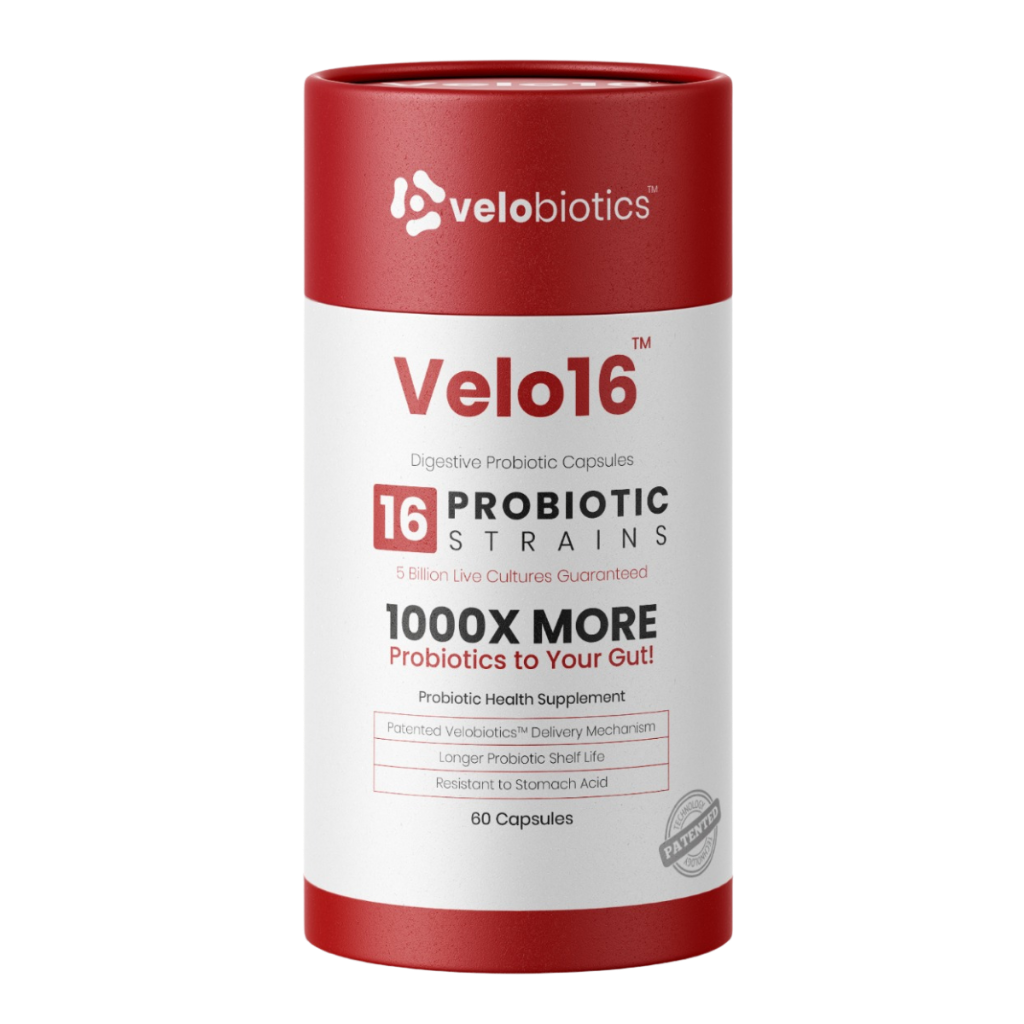
- With breakfast: Velo16™ Probiotics — take with food to buffer stomach acid and maximise bacterial viability. Aim for a formulation containing at minimum Lactobacillus rhamnosus, Bifidobacterium longum, and Lactobacillus plantarum
- With breakfast: Velo16™ Lion's Mane — 500–1000mg of dual-extract (fruiting body + mycelium) standardised for beta-glucans and erinacines
- 10-minute breathwork: Box breathing or diaphragmatic breathing to activate the vagus nerve before the cognitive demands of your day begin
What to Expect — A Realistic Timeline
I always counsel patients on realistic timelines. The gut-brain axis is a biological system, not a light switch:
- Days 3–7: Improved gut comfort, reduced bloating, often better sleep quality
- Weeks 2–4: Noticeable improvements in mood stability and reduced anxiety. Early improvements in mental clarity
- Weeks 6–12: Measurable improvements in focus, working memory, and cognitive processing speed. The effects of Lion's Mane's NGF stimulation become clinically appreciable at this timeframe, consistent with the 8–16 week timelines seen in clinical trials
- 3–6 months: Consolidated cognitive improvement, enhanced stress resilience, and neuroprotective benefits building cumulatively
This is not a quick fix — it is a genuine biological restoration. The Velo16™ Health Journal regularly publishes patient case studies, clinical updates, and practical health protocols to support your journey every step of the way.
It is also worth noting that gut health and skin health are intimately connected through the gut-skin axis. If you're also dealing with skin concerns alongside cognitive symptoms, I'd encourage you to Take the Clear Skin Quiz — the gut is often at the root of both.
Frequently Asked Questions
How long does it take for probiotics to improve mood and focus?
Most people begin to notice improvements in gut comfort and sleep quality within the first week. Meaningful improvements in mood, anxiety, and mental clarity typically emerge between weeks two and four. The cognitive benefits of Lion's Mane — particularly memory and processing speed — tend to become most apparent after 8–12 weeks of consistent supplementation, which aligns with the neuroplastic changes in NGF and BDNF that require sustained stimulation to manifest clinically.
Can poor gut health really cause brain fog and low mood?
Absolutely — and this is one of the most important clinical insights emerging from modern microbiome science. When gut microbial diversity is reduced (dysbiosis), neurotransmitter production is impaired, inflammatory cytokines increase, vagal tone declines, and the blood-brain barrier becomes more permeable. All of these factors contribute directly to brain fog, low mood, poor concentration, and cognitive fatigue. Addressing the gut is often the most effective intervention for these symptoms when conventional approaches have failed.
Is Lion's Mane mushroom safe for daily use?
Clinical studies to date have demonstrated an excellent safety profile for Lion's Mane at doses of 500–3000mg per day of standardised extract. It is non-psychoactive, non-addictive, and well tolerated by the vast majority of users. As with any supplement, individuals with mushroom allergies should exercise caution, and those on immunosuppressive medications or anticoagulants should consult their physician before use. I recommend starting at a lower dose and titrating upward over two to four weeks.
What probiotic strains are most important for cognitive health?
The strains with the most clinical evidence for cognitive and mood benefits include Lactobacillus rhamnosus JB-1, Bifidobacterium longum 1714™, Lactobacillus plantarum PS128, and Bifidobacterium breve. Look for a multi-strain formulation with a minimum of 10 billion CFU and viability guaranteed through to expiry (not just at time of manufacture). Delivery technology matters too — enteric coating or acid-stable capsules significantly improve the survival of bacteria through the stomach acid environment.
Can I take Lion's Mane and probiotics together?
Yes — not only can you take them together, I actively recommend it. These two interventions target different but complementary aspects of the gut-brain axis. Probiotics work upstream by restoring gut microbial balance and neurotransmitter production; Lion's Mane works downstream by directly stimulating NGF and BDNF in the brain. Together, they create a more complete cognitive health system than either can achieve alone. This combination is the basis of the Velo16™ Cognitive Health formulation protocol.
Ready to Reclaim Your Mental Clarity?
Your brain is only as healthy as your gut allows it to be. If you've been struggling with brain fog, low mood, poor focus, or memory issues — the answer may be simpler, and more biological, than you think.
The Velo16™ Probiotics + Lion's Mane cognitive stack is formulated by a functional medicine physician, backed by peer-reviewed clinical science, and designed for the specific health challenges and lifestyle demands of South African adults navigating a high-stress, modern world.
- ✅ Clinically relevant probiotic strains at therapeutic doses
- ✅ Dual-extract Lion's Mane standardised for bioactive compounds
- ✅ Formulated to support the full gut-brain axis pathway
- ✅ No proprietary blends — full label transparency
Velo16™ Cognitive Health Collection — explore the full range and learn about the science behind every ingredient.
Shop All Velo16™ Products and take the first step toward a sharper, calmer, more focused version of yourself.