
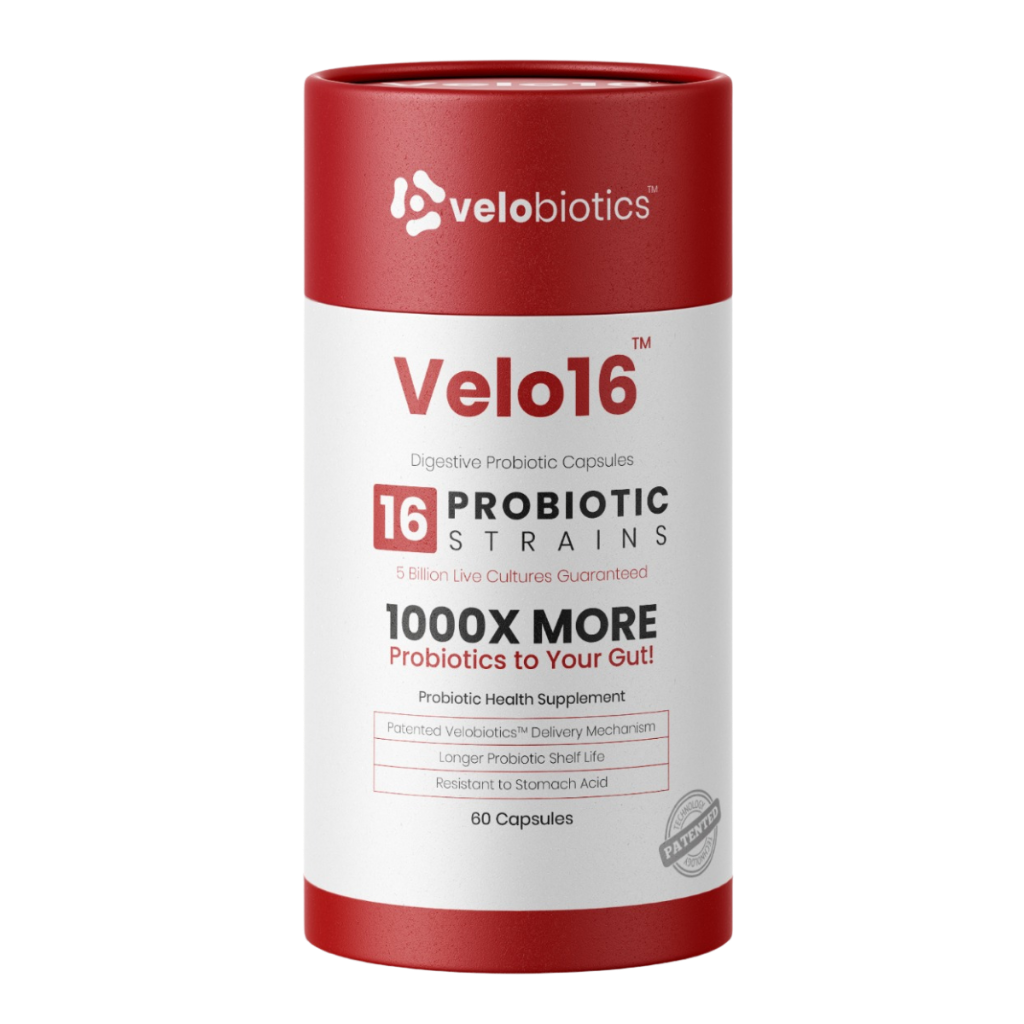
The Gut-Brain Axis: How Your Microbiome Controls Your Mood, Focus and Memory
By Dr. Chomba Chuma, MD | Velo16™ Health Journal
Have you ever had a "gut feeling" about something? Felt butterflies before a big presentation, or noticed your thinking go foggy after a weekend of poor eating? These experiences are not metaphors — they are biology. The gut-brain axis is one of the most exciting and rapidly evolving areas of modern medicine, and the evidence is now unequivocal: what lives in your gut directly shapes how you think, feel, and remember.
As a functional medicine physician, I have spent years watching patients struggle with brain fog, low mood, and poor concentration — only to discover that the root cause was not in their heads at all. It was in their gut. When we addressed the microbiome, something remarkable happened. Clarity returned. Energy improved. Anxiety softened. This is not anecdote — it is science, and today I want to walk you through exactly how it works, and what you can do about it starting today.
Whether you are a busy professional in Johannesburg trying to maintain peak performance, a parent managing household stress, or simply someone who wants to age with a sharp mind, understanding the gut mood connection may be the most important health insight you encounter this year. Let us get into it.
---1. What Is the Gut-Brain Axis? A Two-Way Conversation You Never Knew You Were Having
The gut-brain axis refers to the bidirectional communication network that links the central nervous system (your brain and spinal cord) with the enteric nervous system (the complex neural network embedded in your gastrointestinal tract). These two systems are in constant dialogue, exchanging chemical, neural, and immunological signals that influence everything from digestion to decision-making.
Your gut houses approximately 500 million neurons — more than the spinal cord — which is why scientists often call it the "second brain." This enteric nervous system operates semi-independently, managing gut motility, secretion, and blood flow, but it is deeply integrated with the brain via multiple pathways.
"The gut-brain axis represents a paradigm shift in how we understand mental health. The gut is not just a digestive organ — it is a neuroendocrine organ of remarkable complexity." — Nature Microbiology, 2019
The Three Communication Highways
- Neural pathway: Primarily via the vagus nerve, which carries signals bidirectionally between gut and brain.
- Endocrine pathway: Gut cells produce hormones like GLP-1, ghrelin, and serotonin precursors that circulate to the brain.
- Immune pathway: Around 70% of your immune system resides in the gut. Inflammatory signals from a dysbiotic microbiome reach the brain and alter mood and cognition.
Research published in NCBI/PubMed confirms that gut microbiota composition is directly associated with neurological outcomes including depression, anxiety, and cognitive decline. This is not fringe science — it is mainstream medicine catching up to what the gut has been doing all along.
The Microbiome: Your Invisible Cognitive Co-Pilot
Your microbiome — the trillions of bacteria, fungi, and other microorganisms living in your digestive tract — is arguably the most powerful determinant of your mental health outside of genetics. A healthy, diverse microbiome produces neuroactive compounds, regulates inflammation, and supports the integrity of the gut lining that prevents toxins from reaching the brain. A depleted or imbalanced microbiome does the opposite.
The World Health Organization has recognised the growing burden of mental health conditions globally, with depression and anxiety now among the leading causes of disability worldwide (WHO, 2022). Emerging science suggests that microbiome interventions — including targeted probiotics — may represent a powerful and underutilised tool in addressing this epidemic.
Explore The Velo16™ Science to understand how we have built our formulations around this cutting-edge research.
---2. The Vagus Nerve: Your Gut's Direct Line to the Brain
Of all the pathways in the gut-brain axis, none is more critical than the vagus nerve. This remarkable cranial nerve is the longest in the body, running from the brainstem down through the neck, chest, and abdomen, branching into virtually every major organ along the way. Think of it as the internet cable between your gut and your brain — and it carries an enormous amount of traffic.
Crucially, approximately 80-90% of the fibres in the vagus nerve are afferent — meaning they carry information FROM the gut TO the brain, not the other way around. Your gut is not waiting for instructions from headquarters. It is sending a constant stream of data upward, and that data profoundly influences your emotional state, stress response, and cognitive function.
How Gut Bacteria Hijack the Vagus Nerve
Specific strains of gut bacteria have been shown to directly stimulate vagal afferent neurons in the gut lining. In landmark animal studies, Lactobacillus rhamnosus was shown to reduce anxiety and alter GABA receptor expression in the brain — but only when the vagus nerve was intact. When researchers severed the vagus nerve, the effect disappeared entirely, confirming it as the primary communication pathway (Bravo et al., PNAS, 2011).
This has profound implications. It means that the microbes living in your gut are not passive residents. They are active participants in your neurological health, capable of modulating your brain chemistry through direct neural signalling.
Vagal Tone and Mental Resilience
Vagal tone — the activity level of the vagus nerve — is a measurable marker of stress resilience, emotional regulation, and cognitive flexibility. Higher vagal tone is associated with better focus, reduced anxiety, and improved working memory. Critically, vagal tone is influenced by the health of the gut microbiome. A diverse, well-nourished microbiome supports robust vagal signalling. A depleted microbiome weakens it.
This is one of the mechanistic reasons why probiotics for focus are increasingly supported by clinical evidence — and why gut health sits at the centre of our cognitive health philosophy at Velo16™.
---3. Your Gut Is a Neurotransmitter Factory
Here is a fact that stops most of my patients in their tracks: approximately 90-95% of the body's serotonin is produced in the gut, not the brain. Serotonin is popularly known as the "happiness neurotransmitter," but it is also critical for learning, memory consolidation, and sleep regulation. And its production is directly regulated by your gut bacteria.
"The gut microbiome produces or regulates the production of numerous neurotransmitters including serotonin, dopamine, GABA, and acetylcholine — all of which are fundamental to mood and cognition." — Harvard Health Publishing
Serotonin, Dopamine, and GABA: The Microbial Pharmacy
- Serotonin: Produced by enterochromaffin cells in the gut, stimulated by specific bacterial metabolites. Low gut serotonin production is linked to depression, anxiety, and impaired memory formation.
- GABA (gamma-aminobutyric acid): The brain's primary calming neurotransmitter, produced by Lactobacillus and Bifidobacterium species. GABA deficiency is associated with anxiety disorders and poor sleep.
- Dopamine: Precursors are produced in the gut. Dopamine drives motivation, reward processing, and executive function. Microbiome dysbiosis has been linked to reduced dopaminergic signalling.
- Short-chain fatty acids (SCFAs): Produced when gut bacteria ferment dietary fibre, SCFAs like butyrate cross the blood-brain barrier and have neuroprotective and anti-inflammatory effects in the brain.
The Leaky Gut-Leaky Brain Connection
When the gut lining is compromised — a condition known as intestinal hyperpermeability or "leaky gut" — bacterial endotoxins called lipopolysaccharides (LPS) enter the bloodstream. Research published in the Journal of Clinical Gastroenterology has linked elevated LPS levels to neuroinflammation, which is increasingly recognised as an underlying driver of depression, cognitive decline, and even early Alzheimer's disease.
Probiotic supplementation with clinically studied strains helps restore gut barrier integrity, reducing this toxic leakage and the neuroinflammation it causes. This is a critical mechanism by which microbiome mental health interventions produce measurable cognitive benefits.
For a deeper look at how our formulations address these pathways, visit the Velo16™ Health Journal for more evidence-based articles.
--- [INFOGRAPHIC_PLACEHOLDER: "The Gut-Brain Axis: From Microbiome to Mind" — Visual showing the vagus nerve pathway, neurotransmitter production sites in the gut, and the impact of probiotics + Lion's Mane on cognitive function] ---4. Lion's Mane Mushroom: The Nootropic That Rewires Your Brain
If probiotics are the foundation of cognitive gut health, then Lion's Mane mushroom (Hericium erinaceus) is the architect working at the other end — directly inside the brain itself. This extraordinary medicinal fungus is the most clinically validated natural nootropic in existence, and its primary mechanism is unlike anything else in the supplement world.
Lion's Mane mushroom benefits centre on its ability to stimulate the production of Nerve Growth Factor (NGF) — a protein essential for the growth, maintenance, and survival of neurons. NGF is to brain cells what fertiliser is to plants. Without sufficient NGF, neurons atrophy and neural connections weaken, contributing to brain fog, memory loss, and neurodegeneration.
The NGF Mechanism: Growing New Brain Connections
Lion's Mane contains two families of unique bioactive compounds: hericenones (found in the fruiting body) and erinacines (found in the mycelium). Both have been shown to independently stimulate NGF synthesis in the brain.
A landmark study published in Phytotherapy Research found that adults aged 50-80 with mild cognitive impairment who supplemented with Lion's Mane for 16 weeks showed significantly improved cognitive function scores compared to placebo — and these scores declined again after supplementation ceased, confirming the active effect of the mushroom (Mori et al., 2009).
Lion's Mane and Neuroplasticity
Neuroplasticity — the brain's ability to form new connections and reorganise itself — is the biological foundation of learning, memory, and mental adaptability. NGF is one of its primary drivers. By upregulating NGF, Lion's Mane actively promotes:
- Formation of new synaptic connections (synaptogenesis)
- Repair of damaged myelin sheaths that insulate nerve fibres
- Protection against neurotoxic stress and oxidative damage
- Enhanced hippocampal function — the brain region central to memory and spatial navigation
Lion's Mane and Gut Health: A Synergistic Relationship
What makes Lion's Mane particularly powerful when combined with probiotics is that it also exerts beneficial effects on the gut itself. Research has shown that Lion's Mane has prebiotic properties, supporting the growth of beneficial Lactobacillus and Bifidobacterium species. It also reduces gut inflammation and supports the gut barrier — directly feeding back into the gut-brain axis pathways we discussed earlier.
This is the science behind our Velo16™ Cognitive Health Collection — a precision stack designed to work at both ends of the gut-brain axis simultaneously.
Clinical Evidence for Mood and Anxiety
Beyond memory and focus, Lion's Mane has demonstrated meaningful effects on mood. A 2010 study in Biomedical Research found that women who consumed Lion's Mane for four weeks reported significantly reduced levels of depression and anxiety compared to placebo (Nagano et al., 2010). The proposed mechanism involves both NGF stimulation and the mushroom's anti-inflammatory properties reducing neuroinflammation.
---5. The Daily Stack for Peak Cognitive Performance
Understanding the science is only half the equation. The other half is applying it consistently and correctly. After years of clinical practice and formulation research, here is the daily cognitive health protocol I recommend — and the one that underpins the Velo16™ Probiotics + Lion's Mane stack.
Morning: Prime the Gut, Prime the Brain
- Velo16™ Probiotics (morning, with food): Multi-strain probiotic formulation including clinically studied Lactobacillus acidophilus, Bifidobacterium longum, and Lactobacillus rhamnosus — strains with the strongest evidence for gut-brain axis support. Taking probiotics with food enhances bacterial survival through stomach acid.
- Prebiotic fibre (breakfast): Feed your new bacterial residents with prebiotic-rich foods — oats, banana, garlic, leek, or chicory root. Without prebiotics, probiotics have limited ability to colonise and thrive.
- Hydration: 500ml of water first thing in the morning supports gut motility, mucosal integrity, and the transport of neurotransmitter precursors.
Midday: Sustain and Support
- Velo16™ Lion's Mane (with lunch): Taking Lion's Mane with a meal containing healthy fats (avocado, olive oil, nuts) enhances absorption of its fat-soluble bioactive compounds. Consistent daily dosing is essential — NGF stimulation is a cumulative effect, not an acute one.
- Omega-3 rich foods: Fatty fish, walnuts, or a quality fish oil supplement supports neuronal membrane health and potentiates Lion's Mane's neuroprotective effects.
Evening: Rest, Repair, Consolidate
- Fermented foods (dinner): Kefir, sauerkraut, or kimchi deliver live cultures that diversify the microbiome beyond what supplementation alone provides. Nature Microbiology research confirms that dietary diversity is a primary driver of microbiome richness (Dahl et al., Nature Microbiology, 2023).
- Limit ultra-processed foods and alcohol: Both are potent microbiome disruptors. Even a single episode of heavy alcohol consumption measurably alters gut bacteria diversity.
- Prioritise sleep: Memory consolidation occurs during sleep, and the gut microbiome follows a circadian rhythm. Disrupted sleep disrupts the microbiome — and vice versa. Aim for 7-9 hours consistently.
Lifestyle Factors That Amplify the Stack
- Exercise: Even 30 minutes of moderate aerobic activity increases microbiome diversity and stimulates BDNF (Brain-Derived Neurotrophic Factor) — a cousin of NGF that drives neuroplasticity.
- Stress management: Chronic stress is one of the most potent microbiome disruptors known. Cortisol directly alters gut bacterial populations and increases intestinal permeability. Meditation, breathwork, and vagal breathing exercises help close this loop.
- Antibiotics awareness: If antibiotics are medically necessary, always follow with a high-quality probiotic course. A single antibiotic course can deplete the microbiome for 6-12 months without active restoration.
Ready to build your stack? Shop All Velo16™ Products and find the right combination for your cognitive health goals.
---6. Signs Your Gut-Brain Axis May Be Compromised
Many people live with a dysregulated gut-brain axis without realising it. The signs are often attributed to stress, ageing, or simply "how things are." They do not have to be. Here are the key indicators that your microbiome may be undermining your mental performance:
Cognitive and Mood Symptoms
- Persistent brain fog or difficulty concentrating
- Low mood that is not clearly linked to life circumstances
- Anxiety, particularly digestive anxiety (nervous stomach)
- Poor short-term memory or difficulty retaining new information
- Afternoon energy crashes
- Difficulty sleeping or non-restorative sleep
Gut Symptoms That Signal Brain Risk
- Bloating, gas, or irregular bowel movements
- Food sensitivities that have developed in adulthood
- Frequent antibiotic use in the past 2-3 years
- History of gastroenteritis or gut infections
- High sugar, low fibre diet over an extended period
If several of these resonate with you, your gut-brain axis is likely calling for attention. The good news is that the microbiome is remarkably responsive to targeted intervention — changes can begin within days of introducing the right strains and nutritional support.
And while our focus today is cognitive health, the gut-brain axis also has fascinating connections to skin health. If you are also dealing with skin concerns, Take the Clear Skin Quiz to discover how your gut health may be influencing your complexion.
---Frequently Asked Questions
How long does it take for probiotics to improve mood and focus?
Most clinical studies show measurable improvements in mood, anxiety, and cognitive markers within 4-8 weeks of consistent probiotic supplementation. Some individuals notice changes in energy and digestive comfort within the first 1-2 weeks. Consistency is critical — probiotics require time to colonise the gut and begin producing neuroactive compounds. For cognitive benefits from Lion's Mane, research suggests 8-16 weeks of daily supplementation for optimal NGF stimulation.
Can I take probiotics and Lion's Mane together?
Yes, and in fact the combination is synergistic. Probiotics work at the gut end of the gut-brain axis — producing neurotransmitters, reducing neuroinflammation, and supporting the vagal pathway. Lion's Mane works at the brain end — stimulating NGF, promoting neuroplasticity, and supporting neuronal health. Together, they address cognitive health from both directions simultaneously. The Velo16™ Cognitive Health Collection is specifically formulated with this dual-pathway approach in mind.
Is Lion's Mane mushroom safe for long-term use?
Lion's Mane has a strong safety profile in clinical literature, with no significant adverse effects reported in studies lasting up to 16 weeks. It has a long history of use in traditional Chinese and Japanese medicine. As with any supplement, individuals with mushroom allergies should exercise caution, and those on anticoagulant medications should consult their physician, as Lion's Mane may have mild platelet-modulating effects. Always source Lion's Mane from reputable suppliers who test for heavy metals and mycotoxins.
What diet best supports the gut-brain axis?
A diverse, whole-food diet high in prebiotic fibre is the single most impactful dietary intervention for the microbiome. The Mediterranean diet pattern — rich in vegetables, legumes, whole grains, olive oil, and fermented foods — consistently shows the strongest association with both microbiome diversity and positive mental health outcomes. Minimising ultra-processed foods, refined sugars, and alcohol protects microbial populations and reduces neuroinflammatory signalling. Supplementation with targeted probiotics and Lion's Mane builds meaningfully on this dietary foundation.
Does stress really damage the microbiome?
Yes, significantly. Chronic psychological stress activates the hypothalamic-pituitary-adrenal (HPA) axis, releasing cortisol that directly alters gut motility, increases intestinal permeability, and shifts microbial populations toward pro-inflammatory species. This creates a damaging feedback loop: stress damages the microbiome, which reduces production of mood-supporting neurotransmitters like serotonin and GABA, which worsens the stress response. Breaking this cycle requires addressing both the microbiome (through probiotics and diet) and the stress response (through lifestyle interventions and nervous system regulation).
Ready to Support Your Gut-Brain Axis?
The science is clear: your microbiome is not just a digestive system — it is a cognitive organ. By combining clinically studied probiotics with the neuroprotective power of Lion's Mane, you can build a gut-brain axis that supports sharper focus, more stable mood, and long-term cognitive resilience.
At Velo16™, every formulation is built on peer-reviewed science and designed for real-world results. Whether you are optimising for peak performance, managing brain fog, or protecting your mental health for the long term, we have built the stack for you.
- 🧠 Explore the Velo16™ Cognitive Health Collection
- 🛒 Shop All Velo16™ Products
- 🔬 Read the Science Behind Our Formulations
- 📖 More Articles in the Velo16™ Health Journal
Your brain is only as healthy as your gut. Let us build both — together.