The Science of Gut Flora: How 16 Probiotic Strains Transform Your Digestive Health
By Dr. Chomba Chuma, MD — Founder, Velo16™ | Published in the Velo16™ Health Journal
Every day in my functional medicine practice in Johannesburg, I meet patients who've tried a probiotic — usually a single-strain capsule from a pharmacy shelf — felt little to no difference, and concluded that "probiotics don't work." What I tell them, every single time, is this: it's not that probiotics don't work. It's that most people are taking the wrong kind.
The human gut is home to an estimated 38 trillion microbial cells — a staggering ecosystem of bacteria, fungi, archaea, and viruses that collectively form your gut microbiome. This community doesn't operate like a solo instrument. It functions like a full orchestra, with dozens of microbial species playing distinct, irreplaceable roles. So why would we expect a single-strain supplement to conduct that entire symphony?
This article is a deep-dive into the science of gut flora, why multi-strain probiotics represent the future of digestive health supplementation, and how the delivery method — not just the CFU count — determines whether those live cultures ever reach your gut alive. If you've ever wondered what makes the Velo16™ Gut Health Collection different, this is your answer.
1. Understanding Gut Flora: Your Internal Ecosystem
Before we discuss probiotic strains, we need to understand what we're trying to support. The term "gut flora" — or more precisely, the gut microbiota — refers to the community of microorganisms living in your gastrointestinal tract, predominantly in the large intestine. Far from being passive passengers, these microbes are active participants in virtually every system in your body.
What Does Gut Flora Actually Do?
- Digestion and nutrient absorption: Gut bacteria ferment dietary fibre, producing short-chain fatty acids (SCFAs) like butyrate, which fuel the cells lining your colon and reduce intestinal inflammation.
- Immune regulation: Approximately 70–80% of your immune tissue is located in the gut. Your microbiome trains your immune system to distinguish friend from foe. (World Health Organization)
- Neurotransmitter production: Around 90% of the body's serotonin is synthesised in the gut, a process heavily influenced by microbial activity — the core of what scientists call the gut-brain axis.
- Protection against pathogens: Beneficial bacteria compete with harmful microbes for nutrients and attachment sites, producing bacteriocins (natural antimicrobials) that keep pathogenic species in check.
- Metabolic regulation: Emerging research published in Nature Microbiology links microbiome diversity to healthy weight regulation, insulin sensitivity, and reduced systemic inflammation.
Disruption of this ecosystem — through antibiotic overuse, a diet high in ultra-processed foods, chronic stress, or environmental toxins — is known as dysbiosis. Dysbiosis has been linked to irritable bowel syndrome (IBS), inflammatory bowel disease (IBD), skin conditions, mood disorders, and metabolic dysfunction. In South Africa, where processed food consumption has risen sharply alongside rates of chronic disease, restoring healthy gut flora is more clinically relevant than ever.
"The gut microbiome is increasingly recognised as a key regulator of human health, influencing everything from immune function to mental well-being. Diversity is its defining feature — and its most important asset."
2. Single-Strain vs. Multi-Strain Probiotics: Why the Difference Matters
For decades, the probiotic market was dominated by single-strain products — most commonly Lactobacillus acidophilus or Bifidobacterium longum — at doses ranging from 1 to 10 billion CFUs. These products aren't useless, but they reflect an outdated understanding of how the gut microbiome works.
The Case Against Single-Strain Thinking
Consider this: your gut microbiome contains over 1,000 distinct bacterial species. A healthy microbiome is characterised not by an abundance of one species, but by biodiversity — the coexistence of many different strains playing complementary roles. Research from Harvard Health Publishing confirms that higher microbial diversity is consistently associated with better health outcomes, while low diversity is a hallmark of disease states.
When you take a single-strain probiotic, you're essentially trying to replant a forest with one type of tree. It may survive, but it won't create the layered, resilient ecosystem that a healthy gut requires.
What the Research Says About Multi-Strain Probiotics
A landmark meta-analysis published in the Journal of Clinical Gastroenterology analysed 35 randomised controlled trials and found that multi-strain probiotic formulations consistently outperformed single-strain supplements in reducing symptoms of IBS, antibiotic-associated diarrhoea, and general gut dysbiosis. The researchers attributed this to strain synergy — the phenomenon whereby different bacterial strains reinforce each other's colonisation, metabolic activity, and survival in the gut environment.
Additional research indexed on PubMed/NCBI demonstrates that multi-strain formulas:
- Colonise a broader range of gut niches (different bacterial species prefer different locations along the intestinal tract)
- Produce a wider array of SCFAs and metabolites that support gut lining integrity
- Stimulate more diverse immune signalling pathways
- Create greater resilience against pathogen invasion through competitive exclusion at multiple sites
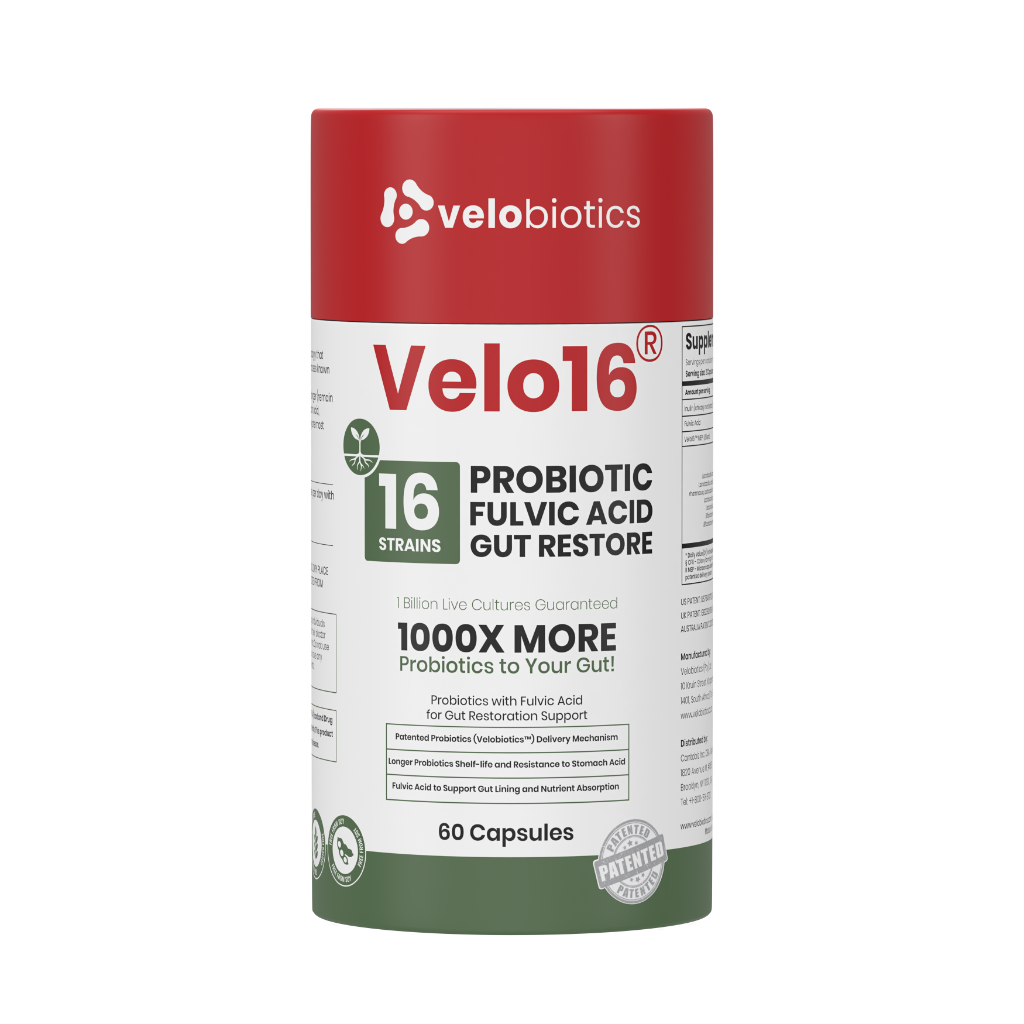
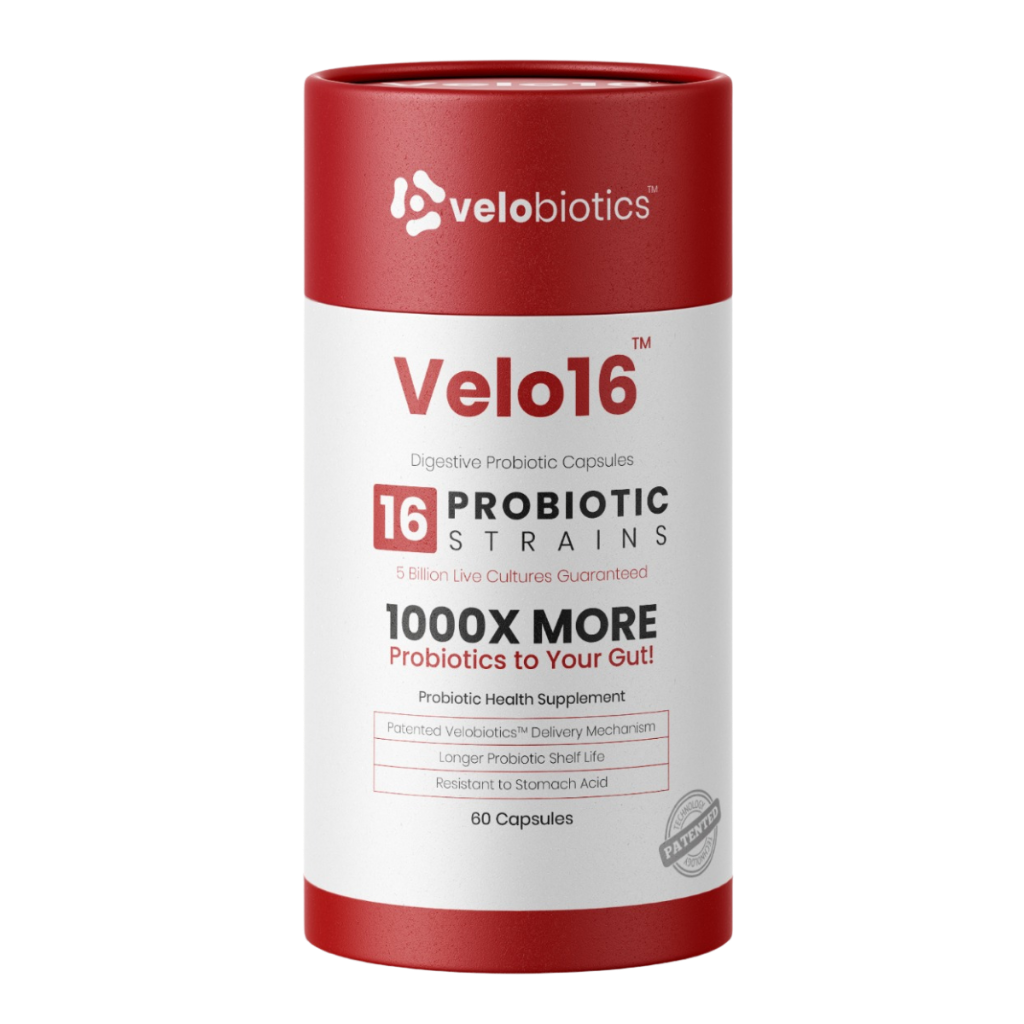
This is precisely the evidence base that guided the formulation of Velo16™ Digestive Probiotics — 16 clinically selected strains working in concert, not in isolation. To understand how we chose these strains, read more at The Velo16™ Science.
3. The Role of Each Probiotic Strain Family: Lactobacillus, Bifidobacterium, and Beyond
Not all probiotic strains are created equal, and each bacterial family plays a distinct physiological role. Understanding these roles explains why a truly comprehensive gut health formula must draw from multiple genera.
Lactobacillus: The Frontline Defenders
Lactobacillus species are among the most well-studied probiotic bacteria in clinical science. They primarily colonise the small intestine and the vaginal tract, producing lactic acid that lowers local pH and creates an inhospitable environment for harmful pathogens.
Key Lactobacillus strains in the Velo16™ formula include:
- L. acidophilus: Produces bacteriocins that inhibit Salmonella, E. coli, and Listeria. Supports lactose digestion and has demonstrated immune-modulating effects in multiple clinical trials.
- L. rhamnosus GG: One of the most extensively studied probiotic strains globally, shown to reduce duration of infectious diarrhoea and antibiotic-associated gut disruption. (Szajewska et al., NCBI/PubMed)
- L. plantarum: Exceptionally robust strain that survives gastric acid and colonises the gut effectively. Shown to reduce intestinal permeability ("leaky gut") and modulate inflammatory cytokines.
- L. casei: Supports the immune response and has been linked to improved outcomes in antibiotic-associated diarrhoea and Helicobacter pylori eradication protocols.
- L. brevis: Produces GABA (gamma-aminobutyric acid), a neurotransmitter that plays a role in reducing anxiety — a fascinating demonstration of the gut-brain axis in action.
Bifidobacterium: The Colon Specialists
Bifidobacterium species are the dominant bacteria of the large intestine and are considered critical markers of gut health across the lifespan. In infants, Bifidobacterium represents the majority of the gut microbiome; its decline with age is associated with increased inflammation, reduced immunity, and slower digestive transit.
- B. longum: Ferments dietary fibre into butyrate, the primary fuel for colonocytes (colon cells). Has demonstrated anti-inflammatory effects and anxiety-reducing properties in clinical studies.
- B. breve: Particularly important for breaking down complex plant fibres and supporting immune tolerance. Clinically shown to improve symptoms in IBS patients.
- B. lactis: Enhances intestinal immune defence by increasing immunoglobulin A (IgA) secretion — your gut's first line of immune protection.
- B. bifidum: Supports the gut-associated lymphoid tissue (GALT) and has been shown to reduce markers of gut inflammation in adults with digestive disorders.
Streptococcus and Saccharomyces: The Supporting Cast
Beyond Lactobacillus and Bifidobacterium, a complete gut health formula should include complementary species:
- Streptococcus thermophilus: Produces lactase (the enzyme that digests lactose), making it particularly valuable for individuals with dairy sensitivity. It also accelerates intestinal repair following mucosal damage.
- Saccharomyces boulardii: A beneficial yeast — not a bacterium — with extraordinary evidence for reducing traveller's diarrhoea, C. difficile-associated diarrhoea, and antibiotic-related gut disruption. Crucially, it is not killed by antibiotics, making it ideal for concurrent use. (McFarland LV, NCBI/PubMed)
"The clinical evidence consistently points to strain diversity as the key variable in probiotic efficacy. The gut is not a monoculture — and your supplement shouldn't be either."
— Dr. Chomba Chuma, MD, Founder of Velo16™
4. Why CFU Delivery Method Matters More Than CFU Count
Walk into any health shop in South Africa and you'll be confronted by probiotic products shouting their CFU counts: "50 Billion CFUs!" "100 Billion CFUs!" "Maximum Strength!" This marketing has created a widespread misconception — that a higher CFU number automatically means a better product. In clinical reality, how many bacteria survive to reach your gut is far more important than how many are printed on the label.
The Survival Challenge: What Happens Between Label and Large Intestine
Probiotics face a gauntlet of hostile conditions between the moment you swallow a capsule and the moment bacteria reach the colon, where they do most of their work:
- Gastric acid (stomach): The stomach maintains a pH of 1.5–3.5 — acidic enough to denature proteins and kill the majority of unprotected bacterial strains.
- Bile salts (small intestine): Bile acts as a powerful antimicrobial detergent. Many probiotic strains that survive stomach acid are destroyed by bile before reaching the colon.
- Digestive enzymes: Pancreatic enzymes released in the duodenum create an additional challenge for unprotected organisms.
- Temperature and shelf stability: Many live cultures begin dying at room temperature. A supplement that sat in a warm warehouse or pharmacy may have lost significant viability long before reaching your mouth.
Studies have shown that standard uncoated probiotic capsules can lose up to 90% of their live cultures before reaching the large intestine. This means a 10-billion CFU unprotected supplement may deliver fewer viable bacteria to your colon than a 1-billion CFU formula with advanced delivery technology.
Advanced Delivery Technologies That Make the Difference
The Velo16™ formulation addresses this challenge through several evidence-based strategies:
- Acid-resistant capsule technology: Our delayed-release capsule is designed to withstand gastric pH, dissolving only when it reaches the more alkaline environment of the small and large intestine — precisely where the bacteria need to be released.
- Strain selection for acid tolerance: Not all strains are equally vulnerable. We prioritise strains like L. rhamnosus, L. plantarum, and B. lactis that have demonstrated superior survival through gastric and bile acid environments in independent studies.
- Microencapsulation: Selected strains are coated in a protective matrix — typically composed of prebiotic fibres — that shields them during transit and releases them gradually in the colon.
- Prebiotic co-formulation: Including prebiotic fibres (such as FOS and inulin) creates a ready food source for the probiotics upon arrival, dramatically improving colonisation rates. This is the concept of a synbiotic — combining probiotics with the prebiotics they need to thrive.
- Refrigeration-stable strains: We use freeze-dried (lyophilised) strains that maintain viability at room temperature, removing the dependency on cold-chain storage that affects many conventional probiotic products in South African distribution.
Gut Microbiome in South Africa: Why Local Context Matters
The science of the gut microbiome in South Africa is an evolving and critically important field. South African consumers face specific microbiome pressures that differ from European or North American populations: high rates of antibiotic use for infectious disease, dietary transitions from traditional high-fibre diets toward ultra-processed foods, elevated H. pylori prevalence, and climate conditions that affect supplement stability throughout the supply chain.
Research published in Nature Microbiology has documented that traditional African gut microbiomes — characterised by high Prevotella abundance and robust fibre-fermenting capacity — shift significantly with urbanisation. This makes targeted multi-strain supplementation, combined with dietary support, especially relevant for South Africans navigating the modern food environment.
5. The Gut-Skin Connection: Why Your Complexion Reflects Your Microbiome
One of the most compelling areas of emerging microbiome research is the gut-skin axis — the bidirectional relationship between gut flora and skin health. For patients struggling with acne, eczema, rosacea, or psoriasis, the gut is often the overlooked root cause.
Dysbiosis triggers systemic low-grade inflammation through a process called intestinal permeability (commonly referred to as "leaky gut"). When the tight junctions of the intestinal epithelium are compromised, bacterial lipopolysaccharides (LPS) — toxic byproducts of gram-negative bacteria — enter the bloodstream and activate the immune system. This immune activation manifests in many tissues, including the skin, as inflammation, breakouts, or hypersensitivity reactions.
A 2018 review in NCBI/PubMed confirmed significant associations between gut dysbiosis and inflammatory skin conditions, with probiotic intervention demonstrating measurable improvements in both gut barrier integrity and skin symptom scores.
If skin health is a concern alongside your digestive wellness goals, I invite you to Take the Clear Skin Quiz to understand how your gut health may be influencing your complexion — and to receive personalised supplement guidance.
6. How to Choose the Best Probiotic Supplement: A Clinical Checklist
Given the overwhelming number of products on the South African market claiming to be the best probiotic supplement, here is the evidence-based checklist I use when evaluating any formula — and the same criteria that governed the development of Velo16™.
The 7-Point Probiotic Quality Checklist
- Strain diversity (minimum 5–16 strains): Ensure the product lists full strain nomenclature (genus, species, and strain code — e.g., Lactobacillus rhamnosus GG), not just genus names.
- CFU count at expiry, not manufacture: The label should state CFU count "at time of expiry," not "at time of manufacture." CFU counts decline over time; many products lose 50–80% of viable cultures before expiry.
- Delivery technology: Look for delayed-release, acid-resistant, or microencapsulated capsule technology. Avoid basic uncoated capsules or gummies for therapeutic use.
- Prebiotic inclusion: A synbiotic formula (probiotic + prebiotic) dramatically improves colonisation success rates.
- Third-party testing: Independent verification of strain identity and viable count is non-negotiable. Proprietary blends without disclosed CFU per strain should raise caution.
- Clinical evidence per strain: Each included strain should have published clinical research supporting its specific health claims — not just the probiotic category in general.
- Storage requirements: If refrigeration is required, confirm the cold-chain was maintained throughout distribution. Freeze-dried, room-temperature-stable formulas eliminate this variable.
Velo16™ Digestive Probiotics meets every criterion on this checklist. Explore the full formulation detail and manufacturing standards at Shop All Velo16™ Products.
Lifestyle Factors That Support Probiotic Efficacy
Even the most sophisticated multi-strain probiotic formula will underperform in a gut environment that is hostile to bacterial colonisation. The following lifestyle factors significantly enhance the efficacy of supplementation:
- Dietary fibre: Fermentable fibres from vegetables, legumes, and whole grains are the primary food source for probiotic bacteria. A low-fibre diet starves introduced strains before they can establish.
- Reducing ultra-processed food: Emulsifiers, artificial sweeteners (particularly saccharin and sucralose), and preservatives have documented disruptive effects on gut microbiome composition.
- Stress management: Chronic psychological stress alters gut motility, mucosal immunity, and microbial composition via the hypothalamic-pituitary-adrenal (HPA) axis.
- Adequate sleep: The gut microbiome follows circadian rhythms. Disrupted sleep alters microbial composition and reduces the efficacy of probiotic colonisation.
- Judicious antibiotic use: When antibiotics are necessary, take probiotics at least two hours after each antibiotic dose, and continue probiotic supplementation for at least four weeks post-course to support microbiome restoration.
Frequently Asked Questions
How long does it take for multi-strain probiotics to work?
Most people begin to notice improvements in bloating, regularity, and digestive comfort within 1–2 weeks of consistent use. However, meaningful microbiome remodelling — measurable changes in microbial diversity and composition — typically requires 4–8 weeks of daily supplementation. For chronic dysbiosis or post-antibiotic recovery, a 12-week protocol is often recommended. Consistency is more important than dose size.
Can I take Velo16™ Digestive Probiotics with antibiotics?
Yes — and in fact, taking probiotics during and after a course of antibiotics is strongly recommended to mitigate antibiotic-associated dysbiosis. The key is timing: take probiotics at least 2 hours before or after your antibiotic dose to reduce the risk of the antibiotic killing the probiotic strains before they reach the gut. Saccharomyces boulardii, a beneficial yeast included in the Velo16™ formula, is naturally resistant to antibiotics and provides particularly robust support during antibiotic treatment.
Do I need to refrigerate Velo16™ Digestive Probiotics?
No. Velo16™ uses freeze-dried (lyophilised) strains that are shelf-stable at room temperature for the full duration of the product's shelf life, provided they are stored away from direct sunlight and excessive heat. This is a deliberate formulation choice to ensure viability throughout the South African distribution chain and in your home environment — no cold-chain dependency required.
Are multi-strain probiotics safe for long-term use?
Yes. The bacterial strains used in Velo16™ are classified as GRAS (Generally Recognised As Safe) by international regulatory bodies and have extensive long-term safety data in healthy adults. Probiotics are generally safe for healthy individuals for continuous, long-term use. Individuals who are severely immunocompromised, have central venous catheters, or are recovering from major surgery should consult their physician before starting any probiotic supplement.
Why does the gut microbiome matter specifically for South Africans?
South Africa is experiencing a significant epidemiological transition — rising rates of non-communicable diseases including type 2 diabetes, obesity, inflammatory bowel disease, and mental health disorders — all of which have documented links to gut microbiome disruption. Urbanisation, dietary westernisation, high antibiotic prescription rates, and elevated psychosocial stress create a particularly challenging environment for gut flora. Supporting microbiome diversity through targeted multi-strain probiotic supplementation is one of the most evidence-based preventive strategies available to South African adults today.
Ready to Transform Your Gut Health?
Sixteen clinically selected probiotic strains. Advanced acid-resistant delivery technology. Formulated by a functional medicine physician specifically for the South African health landscape. This is not another off-the-shelf probiotic — this is precision gut science in every capsule.
Whether you're dealing with bloating and irregular digestion, recovering from antibiotics, or simply investing in long-term preventive health, the Velo16™ Digestive Probiotics formula is built to deliver — all the way to your colon.
- ✅ 16 clinically validated probiotic strains
- ✅ Delayed-release, acid-resistant capsule technology
- ✅ Synbiotic formula with prebiotic fibre support
- ✅ Shelf-stable — no refrigeration required
- ✅ Third-party tested for strain identity and viability
- ✅ Formulated by Dr. Chomba Chuma, MD — Johannesburg