The Science of Gut Flora: How 16 Probiotic Strains Transform Your Digestive Health
By Dr. Chomba Chuma, MD — Founder, Velo16™ | Published in the Velo16™ Health Journal
Every day in my functional medicine practice in Johannesburg, I meet patients who arrive with the same story: bloating after meals, unpredictable digestion, fatigue that no amount of sleep seems to fix, and skin that flares despite a seemingly healthy diet. They've tried eliminations, detoxes, and yes — single-strain probiotic capsules from the pharmacy shelf. Most of them still struggle. The reason, I explain, almost always begins in the gut. More precisely, it begins with the extraordinary community of microorganisms that govern it — what scientists call the gut microbiome.
The science of gut flora has exploded over the last two decades. We now understand that the approximately 38 trillion microorganisms residing in your gastrointestinal tract influence everything from nutrient absorption and immune regulation to mental health and metabolic function. Research published in Nature established that the human gut microbiome encodes more than 3.3 million unique genes — 150 times more than the human genome itself. This is not a passive ecosystem. It is a living, dynamic organ — and it deserves to be treated like one.
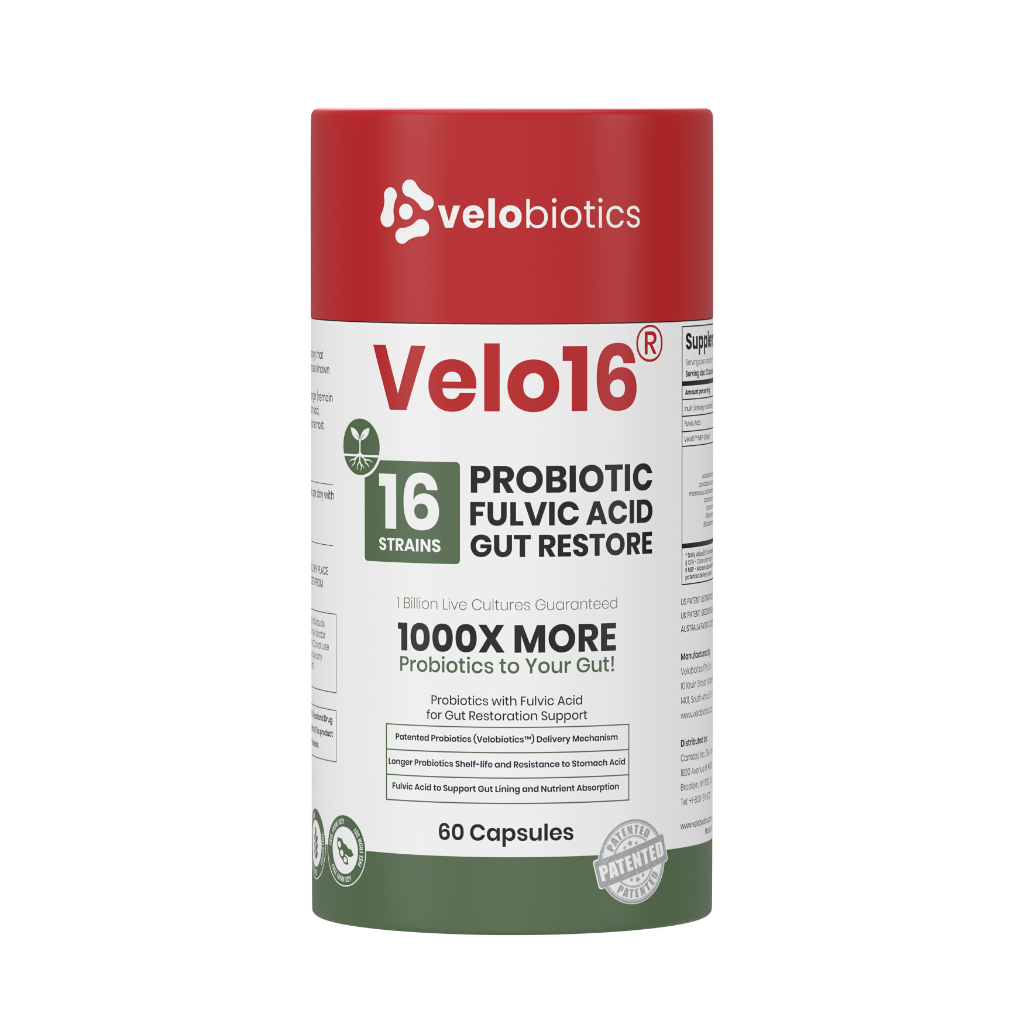
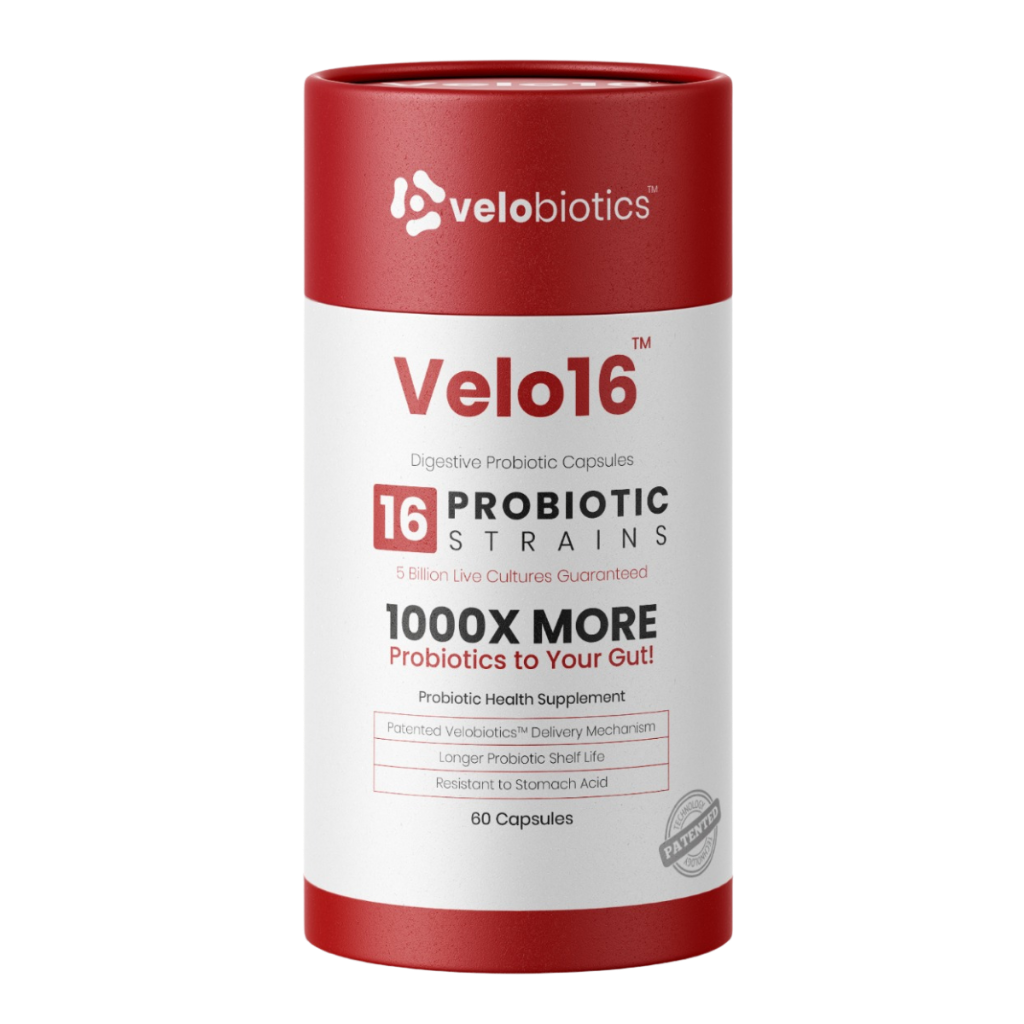
This article is about what that understanding means for how we supplement with probiotics, why the number of probiotic strains matters as much as the colony-forming unit (CFU) count, and why Velo16™'s 16-strain approach to digestive health represents the next evolution in gut health science.
1. Understanding Your Gut Flora: More Than Just "Good Bacteria"
When most people think of gut health, they think of bacteria. But the gut microbiome is a vastly complex ecosystem comprising bacteria, archaea, fungi, viruses, and even parasites — all coexisting in a delicate ecological balance. Among these, bacteria are the most studied and the most therapeutically accessible.
The gut microbiome in a healthy adult consists of hundreds of bacterial species, with the majority belonging to two dominant phyla: Firmicutes and Bacteroidetes. Disruption of the natural ratio between these groups — a condition known as dysbiosis — has been associated with irritable bowel syndrome (IBS), inflammatory bowel disease, obesity, type 2 diabetes, depression, and even autoimmune conditions.
"A diverse gut microbiome is a resilient gut microbiome. Diversity is not just a marker of health — it is health." — Dr. Chomba Chuma, MD, Velo16™
According to the World Health Organization, widespread antibiotic use — one of the greatest threats to microbial diversity — continues to rise globally, including across South Africa. Antibiotic exposure, processed food diets, chronic stress, and environmental toxins are systematically depleting the diversity of our gut flora. This is the crisis that precision probiotic supplementation is designed to address.
The Diversity Principle
Here is the key insight that transforms how we should think about probiotics: diversity is protective. A landmark study published in Science (Claesson et al., 2012) demonstrated that reduced gut microbial diversity is associated with increased frailty, inflammation, and poor health outcomes in aging populations. Conversely, individuals with diverse gut flora show greater resilience to pathogens, better immune responses, and improved metabolic markers.
This is precisely why a 16-strain probiotic supplement is not a marketing gimmick — it is a biological imperative rooted in microbial ecology. You wouldn't plant a monoculture and expect a thriving garden. The same logic applies to your gut.
2. Single-Strain vs. Multi-Strain Probiotics: What the Research Actually Shows
The probiotic supplement market is saturated with products featuring a single impressive-sounding strain — typically Lactobacillus acidophilus — at a headline-grabbing CFU count. While single-strain probiotics do have legitimate therapeutic applications in specific clinical contexts, the body of evidence increasingly supports multi-strain formulations for general digestive health and microbiome restoration.
The Clinical Evidence for Multi-Strain Superiority
A meta-analysis published in the Journal of Clinical Gastroenterology analysed 53 randomised controlled trials and found that multi-strain probiotic formulations produced significantly greater improvements in IBS symptoms — including bloating, abdominal pain, and bowel irregularity — compared to single-strain products. The researchers concluded that synergistic interactions between strains likely explain the enhanced efficacy.
The mechanism is elegant: different probiotic strains colonise different sections of the gastrointestinal tract, produce different antimicrobial compounds, compete for different pathogenic niches, and stimulate different arms of the immune system. When you introduce multiple strains simultaneously, you are essentially re-seeding the gut with a functional community — one capable of the metabolic cooperation that a single species simply cannot perform alone.
Why CFU Count Alone Is Misleading
Here is something I tell every patient who walks into my practice holding a probiotic with "50 Billion CFU!" printed on the label in bold type: CFU count means nothing if the bacteria don't survive to reach the colon.
The journey from your mouth to your large intestine is hostile. Stomach acid (pH 1.5–3.5), bile salts, digestive enzymes, and peristaltic pressure all threaten microbial survival. Research from Harvard Health Publishing confirms that many probiotic supplements lose the majority of their viable organisms before they even reach the small intestine.
This is why the delivery method is arguably more important than the CFU count. At Velo16™, our formulation uses delayed-release capsule technology — specifically designed to resist gastric acid and dissolve only in the intestinal environment where the bacteria can actually colonise, thrive, and exert their benefits. A product delivering 10 billion CFU with 85% survival is clinically superior to one delivering 50 billion CFU with 5% survival. The math — and the biology — is unambiguous.
[INFOGRAPHIC_PLACEHOLDER: "The 16-Strain Ecosystem — Which Probiotic Strain Does What in Your Gut?" — Visual map showing each strain family, GI tract location, and primary benefit. Recommended dimensions: 800x1200px]
3. The Role of Each Probiotic Strain Family: A Deep Dive
Understanding the functional role of each major probiotic genus is foundational to appreciating why Velo16™'s 16-strain matrix is structured the way it is. Let's examine the key strain families and the specific biological jobs they perform.
Lactobacillus: The Frontline Defenders
Lactobacillus species are among the most extensively researched probiotics in existence. These gram-positive, lactic acid-producing bacteria predominantly colonise the small intestine and vaginal tract (in women), and they serve as the gut's first line of microbial defence.
- L. acidophilus: Produces lactic acid and bacteriocins that suppress pathogenic bacteria including E. coli and Candida albicans. It also supports lactose digestion and enhances calcium absorption.
- L. rhamnosus GG: One of the most clinically validated strains globally. Associated with reduced antibiotic-associated diarrhoea, improved gut barrier function, and modulation of the gut-brain axis. PubMed research confirms its efficacy in reducing rotavirus diarrhoea in children.
- L. plantarum: Highly resilient across different gut environments. Demonstrated anti-inflammatory properties and capacity to reduce intestinal permeability — commonly referred to as "leaky gut."
- L. casei: Supports immune modulation and has shown efficacy in alleviating symptoms of constipation and improving transit time in clinical trials.
- L. fermentum: Exhibits strong antioxidant activity, reduces cholesterol oxidation, and has been studied for its potential in reducing upper respiratory tract infections.
- L. brevis: Produces GABA (gamma-aminobutyric acid) — a key inhibitory neurotransmitter — making it a compelling target in gut-brain research.
Bifidobacterium: The Colon's Caretakers
Bifidobacterium species predominantly colonise the large intestine and are among the first bacterial genera to establish themselves in the neonatal gut. They are critical for fibre fermentation, short-chain fatty acid (SCFA) production, and systemic immune education.
- B. longum: Among the most prevalent bacteria in healthy human guts. Produces acetate and lactate, and has been shown to reduce anxiety-related behaviour in animal models through the gut-brain axis. Research published in NCBI supports its role in reducing psychological stress.
- B. bifidum: Particularly effective in degrading complex carbohydrates and mucins. Supports the intestinal mucous layer — the gut's first physical defence against pathogens.
- B. breve: Important in infancy and throughout life for suppressing pathogenic bacteria and enhancing immune response to respiratory pathogens.
- B. lactis: Extensively studied for its role in improving bowel transit time, reducing bloating, and enhancing vaccine immune responses in clinical populations.
- B. infantis: Produces indole-3-aldehyde — a compound that activates anti-inflammatory pathways in the gut, making it particularly relevant for IBS and inflammatory bowel conditions.
Streptococcus and Bacillus: The Specialist Strains
Beyond the two dominant genera, targeted inclusion of specific supporting strains rounds out a truly comprehensive formulation:
- Streptococcus thermophilus: Works synergistically with Lactobacillus to produce lactase enzyme, directly improving lactose tolerance. It also stimulates mucin production in the gut lining.
- Bacillus coagulans: A spore-forming strain of exceptional resilience — it survives gastric acid without specialised encapsulation and has demonstrated efficacy in reducing bloating and abdominal discomfort in multiple RCTs.
- Lactococcus lactis: Produces nisin — a powerful natural antimicrobial peptide — and has anti-inflammatory properties that support the intestinal epithelium.
Together, these 16 strains in the Velo16™ Gut Health Collection create a comprehensive microbial community capable of targeting multiple pathogenic mechanisms simultaneously — something no single-strain product can replicate.
4. Why South African Gut Health Needs Special Attention
Discussing the gut microbiome in South Africa requires acknowledging some unique population-level factors that shape our digestive health landscape. South Africa presents a fascinating — and sometimes troubling — microbial ecology story.
Dietary Transition and Microbiome Disruption
Research comparing gut microbiome composition across different South African population groups reveals significant diversity between rural and urban communities. A study published in Nature Communications found that urbanisation in sub-Saharan Africa is associated with a measurable reduction in gut microbial diversity — largely attributable to dietary westernisation, reduced fibre intake, increased processed food consumption, and heightened antibiotic exposure.
South Africans navigating the demands of urban professional life — frequent travel, high-stress work environments, reliance on convenience foods, and antibiotic prescriptions — are particularly vulnerable to dysbiosis. This is the lived reality of the patients I treat daily across Johannesburg, and it is why accessible, evidence-based probiotic supplementation is not a luxury; it is a health equity issue.
The Stress-Gut Connection
South Africa consistently ranks among the most stressed nations globally. Chronic psychological stress directly disrupts gut barrier integrity through the release of corticotropin-releasing hormone (CRH), which increases intestinal permeability and alters motility. This stress-gut connection — mediated by the gut-brain axis — means that mental health and digestive health are inseparable in our patient population. Several Lactobacillus and Bifidobacterium strains have demonstrated the ability to modulate cortisol response and reduce stress-related GI symptoms, making our 16-strain formulation relevant beyond the gut itself.
Explore the full evidence base behind our approach at The Velo16™ Science page, where we've compiled the peer-reviewed research underpinning every strain in our matrix.
5. How to Choose the Best Probiotic Supplement: A Physician's Checklist
With hundreds of probiotic products competing for shelf space — from Clicks to Woolworths to online health stores — how does a health-conscious consumer identify what actually works? As someone who has reviewed the clinical literature and formulated a product from the ground up, I offer this evidence-based checklist.
The 6 Non-Negotiables of a Quality Probiotic
- Multiple clinically validated strains (minimum 8-10): Look for products that list specific strain designations (e.g., Lactobacillus rhamnosus GG), not just genus and species. The strain designation tells you the product has used a validated, research-backed isolate.
- Both Lactobacillus and Bifidobacterium genera: These two families cover the full length of the GI tract — small intestine and colon respectively. A product without both is incomplete.
- Acid-resistant or delayed-release delivery: Without protective encapsulation, most bacteria are destroyed by stomach acid before reaching the intestine. This is non-negotiable.
- CFU count guaranteed at expiry, not manufacture: Many brands list CFU counts at time of manufacture. Probiotics die during storage. Look for products that guarantee CFU at expiry — this is the number that matters.
- Transparent, minimal excipients: Avoid products with unnecessary fillers, artificial colours, gluten, or common allergens in the capsule or tablet matrix.
- Prebiotic inclusion or fibre synergy: Prebiotics — dietary fibres that selectively feed beneficial bacteria — dramatically enhance probiotic colonisation efficiency. The synbiotic approach (probiotics + prebiotics together) is now considered best practice in clinical nutrition.
What Velo16™ Does Differently
Every element of the Velo16™ Digestive Probiotic formulation was designed to meet and exceed each of these criteria. Our delayed-release capsules are independently tested for acid resistance. Our 16-strain matrix includes both dominant genera across all functionally relevant species. Our CFU counts are guaranteed through the expiry date under recommended storage conditions. And our formulation is free from gluten, dairy, and artificial additives — making it appropriate for a broad range of dietary lifestyles common in South Africa.
For an overview of everything we offer, visit our Shop All Velo16™ Products page.
"The best probiotic is not the one with the most CFUs. It is the one engineered to deliver the most viable, diverse organisms precisely where your gut needs them most." — Dr. Chomba Chuma, MD
6. Beyond Digestion: The Systemic Impact of a Healthy Gut Microbiome
One of the most important paradigm shifts in modern medicine has been the recognition that gut health is not merely a digestive concern — it is a whole-body imperative. The gut microbiome communicates with virtually every major organ system through three interconnected highways: the gut-brain axis, the gut-immune axis, and the gut-skin axis.
Gut-Brain Axis: Your Second Brain
The enteric nervous system — a network of approximately 500 million neurons lining the GI tract — is often called the "second brain." It produces more than 90% of the body's serotonin and communicates bidirectionally with the central nervous system via the vagus nerve. Gut dysbiosis has been associated with depression, anxiety, cognitive impairment, and even neurodegenerative conditions in emerging research published in Nature Reviews Microbiology.
Gut-Immune Axis: Your Internal Defence Network
Approximately 70% of your immune system resides in the gut-associated lymphoid tissue (GALT). The gut microbiome trains immune cells from birth, distinguishing self from non-self, tolerating harmless food antigens, and mounting appropriate responses to genuine pathogens. Dysbiosis disrupts this education system — a mechanism increasingly implicated in the rising prevalence of autoimmune conditions, food allergies, and chronic inflammatory disease.
Gut-Skin Axis: The Gut-Glow Connection
The relationship between gut health and skin conditions — particularly acne, eczema, rosacea, and psoriasis — is an area of rapidly expanding research. Intestinal permeability allows lipopolysaccharides (bacterial toxins) to enter the bloodstream, triggering systemic inflammation that manifests on the skin. Restoring gut integrity through targeted probiotic strains has demonstrated measurable improvements in skin inflammatory markers.
If you suspect your skin concerns may have a gut-health origin, I encourage you to Take the Clear Skin Quiz — our clinically informed tool designed to help identify whether your skin health journey should start in your gut.
Frequently Asked Questions
How long does it take for a 16-strain probiotic to start working?
Most patients notice initial changes in bloating, gas, and bowel regularity within 2–4 weeks of consistent supplementation. However, meaningful microbiome remodelling — the kind that produces lasting systemic benefits — typically occurs over 8–12 weeks of daily use. The gut microbiome is an ecosystem, and ecosystems don't transform overnight. Consistency is the single most important factor in probiotic efficacy.
Can I take probiotics while on antibiotics?
Yes — and in fact, I strongly recommend it. Antibiotics are indiscriminate; they kill beneficial bacteria alongside pathogenic ones, often causing significant dysbiosis. Taking a quality multi-strain probiotic alongside antibiotic therapy (separated by at least 2 hours to avoid direct interference) can reduce antibiotic-associated diarrhoea by up to 60%, according to published meta-analyses on PubMed. Continue probiotic supplementation for at least 4 weeks after completing your antibiotic course.
Is the Velo16™ probiotic suitable for vegans and people with lactose intolerance?
Yes. Velo16™ Digestive Probiotics are formulated without dairy, gluten, or animal-derived ingredients. The capsule shell is plant-based. Ironically, several of the Lactobacillus strains in our formula actually improve lactase enzyme activity — which means consistent use may reduce lactose sensitivity over time for many users.
What is the difference between CFU count at manufacture vs. CFU count at expiry?
CFU (colony-forming units) counts represent the number of live, viable bacteria in a supplement. Probiotics are living organisms and naturally die during storage — a process called "die-off." Many brands list CFU counts measured immediately after manufacturing, which can be dramatically higher than what you actually consume months later. At Velo16™, we guarantee our CFU count through the product's expiry date under recommended storage conditions (cool, dry place). This transparency is critical — it means the number on our label is the number working for your gut.
Do I need to refrigerate Velo16™ Digestive Probiotics?
Velo16™ Digestive Probiotics are shelf-stable and do not require refrigeration under normal storage conditions (below 25°C, away from direct sunlight and moisture). Our formulation uses stabilised strains and protective encapsulation technology that maintain viability at room temperature through the expiry date. However, storage in a cool, consistent-temperature environment (such as a cupboard, not a humid bathroom) is always recommended for any probiotic product.
Start Your Gut Health Transformation Today
The science is clear: a diverse, multi-strain probiotic formulation — delivered through an acid-resistant system that guarantees CFU viability — represents the most effective, evidence-based approach to restoring and maintaining a healthy gut microbiome. Whether you're managing chronic bloating, recovering from antibiotic use, navigating IBS, or simply committed to long-term preventive health, what you put into your gut matters profoundly.
Velo16™ was built on a single conviction: that South Africans deserve access to world-class, scientifically rigorous gut health solutions. Our 16-strain digestive probiotic is not a compromise — it is a clinical formulation, grounded in peer-reviewed evidence, designed to work with the remarkable complexity of your unique microbiome.
→ Explore the Velo16™ Gut Health Collection and learn more about our 16-strain formulation
Your gut health journey is one of the most impactful investments you will ever make in your long-term wellbeing. The 38 trillion organisms living within you are waiting for the support they deserve.
```