The Science of Gut Flora: How 16 Probiotic Strains Transform Your Digestive Health
By Dr. Chomba Chuma, MD | Velo16™ Health Journal
Every day in my functional medicine practice in Johannesburg, I meet patients who are doing everything "right" — eating relatively well, exercising, managing stress — yet still battling bloating, irregular digestion, fatigue, and a general sense that something is off. More often than not, when we dig into the data, the common thread is a disrupted gut microbiome: the vast, complex ecosystem of trillions of microorganisms that govern not just your digestion, but your immunity, your mood, and even your skin.
The global conversation around probiotics has exploded in the last decade. Walk into any pharmacy or health store across South Africa — from Clicks in Sandton to a Dis-Chem in Cape Town — and you will find shelves lined with probiotic supplements making bold claims. But here is the clinical truth most brands will not tell you: not all probiotics are created equal, and the number of colony-forming units (CFUs) on the label matters far less than the diversity of strains and the method by which those strains are delivered to your gut.
In this article, I want to take you on a science-backed deep dive into what your gut flora actually needs, why multi-strain probiotic formulations outperform single-strain options, and how the delivery mechanism can make or break a probiotic supplement's effectiveness. This is the science that underpins the Velo16™ Gut Health Collection — and understanding it will transform the way you think about your digestive health.
What Is Gut Flora and Why Does It Matter?
Your gut flora — more accurately termed the gut microbiota — is a dynamic community of bacteria, fungi, viruses, and other microorganisms residing primarily in your large intestine. The human gut harbours approximately 38 trillion microbial cells, outnumbering human cells at roughly a 1:1 ratio, according to a landmark study published in Cell (Sender et al., 2016).
These microorganisms are not passive passengers. They are metabolically active contributors to virtually every system in your body. The World Health Organization recognises the gut microbiome as a critical determinant of health outcomes, with disruptions — a state known as dysbiosis — linked to conditions ranging from irritable bowel syndrome (IBS) and inflammatory bowel disease (IBD) to type 2 diabetes, obesity, and depression.
The South African Gut Health Context
In South Africa specifically, our gut health landscape is shaped by a unique convergence of factors. Urbanisation has driven a dramatic dietary shift away from high-fibre, fermented traditional foods toward ultra-processed diets. Antibiotic overprescription — a recognised challenge in our healthcare system — decimates microbial diversity. Add chronic psychological stress, high rates of Helicobacter pylori infection, and the legacy effects of gastrointestinal infections, and you begin to understand why gut microbiome South Africa research is both urgently needed and increasingly active.
A 2019 study in Nature Microbiology demonstrated that African gut microbiomes show distinct compositional profiles compared to Western populations, with traditional rural communities exhibiting far greater microbial diversity — a marker consistently associated with better health outcomes. As South Africans urbanise, we lose that diversity, and targeted probiotic supplementation becomes not a luxury but a clinical priority.
"The microbiome is increasingly being recognised as a 'forgotten organ' — one whose dysfunction underlies a staggering breadth of chronic disease." — Nature Reviews Microbiology, 2019
Why Multi-Strain Probiotics Outperform Single-Strain Supplements
Let us address the elephant in the room. You may have taken a probiotic before — perhaps a single-strain Lactobacillus acidophilus capsule — and felt underwhelmed by the results. There is a scientific reason for that disappointment, and it comes down to the fundamental ecology of your gut.
Your gut is not a monoculture. It is a richly layered ecosystem where hundreds of bacterial species occupy distinct niches, perform different metabolic functions, and interact with each other in complex, interdependent ways. Introducing a single strain into this system is analogous to planting one type of seed in a depleted forest and expecting it to restore the entire ecosystem.
The Evidence for Strain Diversity
A meta-analysis published in the Journal of Clinical Gastroenterology examining 53 randomised controlled trials found that multi-strain probiotic formulations produced significantly greater improvements in IBS symptom severity scores, stool consistency, and bloating compared to single-strain preparations. The mechanism is logical: different strains colonise different regions of the gut, produce different short-chain fatty acids (SCFAs), compete with different pathogenic organisms, and stimulate different arms of the immune system.
Specifically, the research identifies several key functional benefits of multi-strain combinations:
- Colonisation redundancy: If environmental conditions in the gut are unfavourable for one strain, others can establish and maintain beneficial activity.
- Broader antimicrobial coverage: Different strains produce different bacteriocins and organic acids that inhibit a wider spectrum of pathogens.
- Synergistic SCFA production: Strains that produce different short-chain fatty acids (butyrate, propionate, acetate) work synergistically to nourish the intestinal epithelium and regulate inflammation.
- Immune system modulation across multiple pathways: Lactobacillus strains and Bifidobacterium strains interact with different toll-like receptors and dendritic cells, providing broader immunomodulatory effects.
- Enhanced competitive exclusion of pathogens: A diverse consortium of beneficial bacteria occupies more ecological niches, leaving less space for opportunistic pathogens to establish.
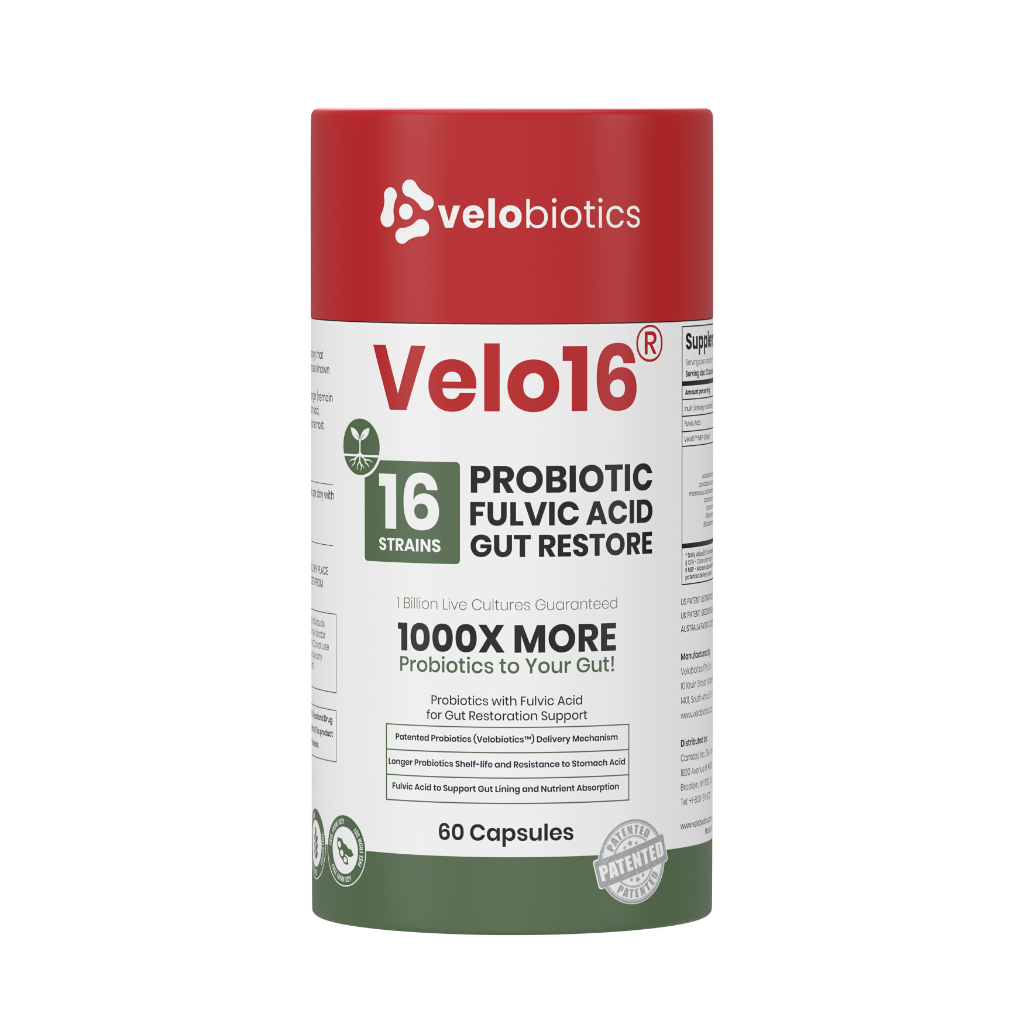
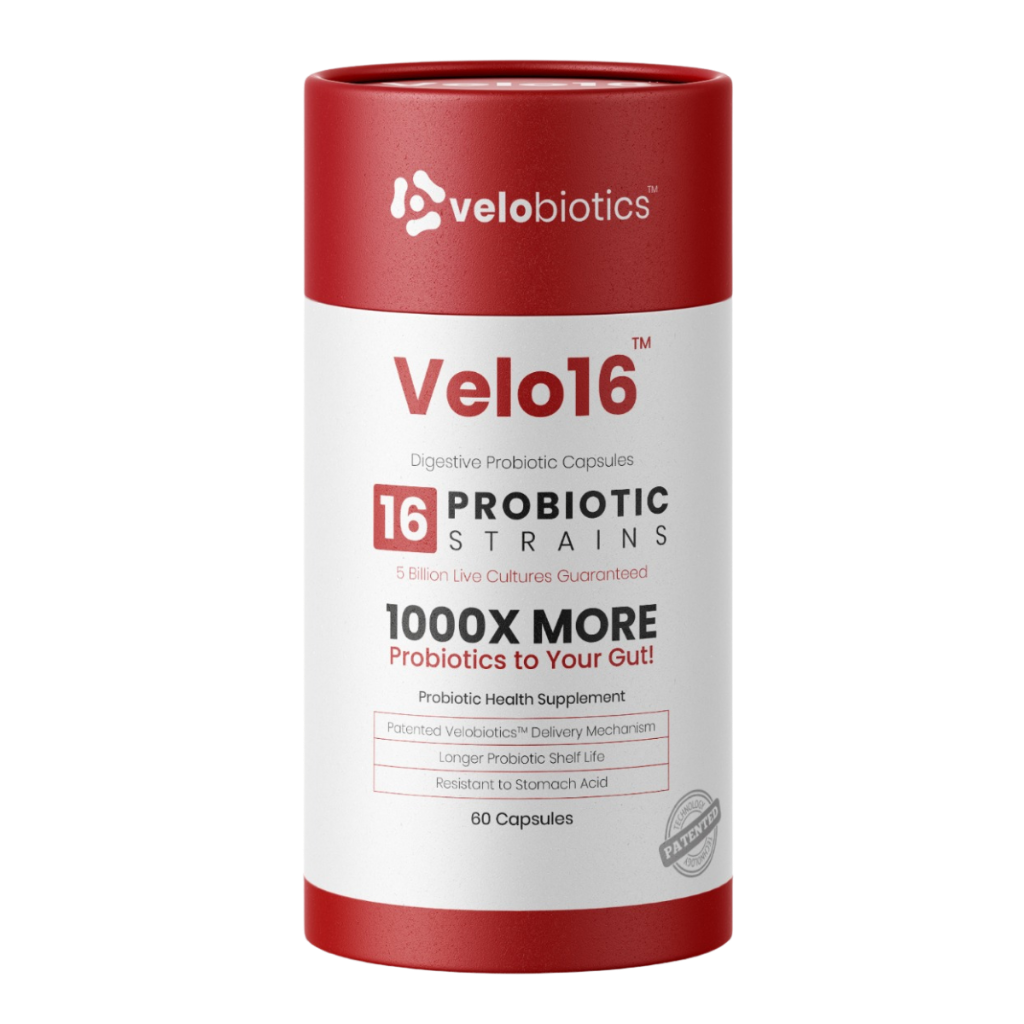
This is precisely the rationale behind the 16-strain formulation at the heart of the Velo16™ Gut Health Collection. Not 16 strains for marketing purposes — 16 strains because the science demands it.
The Role of Each Probiotic Strain Family
Understanding the distinct contributions of the major probiotic strains families helps explain why a comprehensive formulation is so powerful. Let us break down the key players.
Lactobacillus: The Frontline Defenders
Lactobacillus species are among the most extensively studied probiotic organisms on earth. These gram-positive, lactic acid-producing bacteria are natural residents of the small intestine and are critical for maintaining the acidic environment that inhibits pathogen growth. Key species include:
- L. acidophilus: Produces lactic acid and hydrogen peroxide, creating an inhospitable environment for pathogens like E. coli and Candida. Strongly supports lactose digestion and has demonstrated efficacy in reducing antibiotic-associated diarrhoea in clinical trials.
- L. rhamnosus GG: One of the most clinically validated strains in existence, with over 800 published studies. Particularly effective in preventing and treating acute diarrhoea and demonstrated gut barrier strengthening effects, as reviewed by Harvard Health Publishing.
- L. plantarum: An exceptionally resilient strain that survives gastric transit remarkably well and has demonstrated anti-inflammatory properties via NF-κB pathway modulation.
- L. casei: Supports digestion of complex carbohydrates, modulates intestinal transit time, and has shown efficacy in alleviating constipation-predominant IBS.
- L. fermentum: Produces potent antioxidant enzymes, supports mucosal immunity, and has demonstrated anti-inflammatory effects in the colonic epithelium.
- L. salivarius: Particularly active in the small intestine, producing bacteriocins effective against Listeria and H. pylori.
Bifidobacterium: The Colon's Custodians
Bifidobacterium species are the dominant beneficial bacteria of the large intestine and are critical for the fermentation of dietary fibre into health-promoting SCFAs. Their populations decline dramatically with age, stress, and antibiotic use — making supplementation clinically significant. Key species include:
- B. longum: A master fermentor that breaks down complex plant fibres and produces acetate and lactate. Demonstrates significant anxiolytic (anti-anxiety) effects via the gut-brain axis — a finding published in multiple peer-reviewed studies indexed on PubMed/NCBI.
- B. breve: Supports fat metabolism, reduces body fat accumulation, and powerfully modulates the mucosal immune response. Particularly beneficial for infants and adults with inflammatory conditions.
- B. bifidum: Adheres strongly to intestinal epithelial cells, competitively excluding pathogens, and supports production of secretory IgA — your gut's primary antibody defence.
- B. infantis: Has demonstrated in clinical trials to significantly reduce IBS symptom scores, including abdominal pain, bloating, and bowel dysfunction, via anti-inflammatory cytokine modulation.
- B. lactis: One of the most studied strains for immune enhancement, consistently shown to increase natural killer cell activity and improve vaccine immune responses.
Streptococcus and Specialty Strains
A comprehensive 16-strain formulation is rounded out by specialty strains that address specific functional gaps:
- Streptococcus thermophilus: Produces lactase enzyme, dramatically improving lactose digestion and reducing dairy-associated bloating and discomfort. Also demonstrated to enhance the colonisation success of Lactobacillus strains.
- Lactococcus lactis: Produces nisin, a potent natural antimicrobial peptide, and supports the production of anti-inflammatory interleukins in the gut mucosa.
Together, these 16 strains create an integrated microbial team — covering the full length of the gastrointestinal tract, from the small intestine through to the colon, addressing multiple functional dimensions simultaneously.
For a full breakdown of the research behind our formulation, visit The Velo16™ Science page.
Why Delivery Method Matters More Than CFU Count
This is the section where I push back hardest against conventional probiotic marketing, because the "50 billion CFU!" battle on supplement labels has fundamentally misled consumers — and continues to do so.
Here is the clinical reality: a probiotic strain that does not survive the journey from your mouth to your large intestine is biologically worthless, regardless of how many billions were in the capsule when you swallowed it.
The Gastrointestinal Gauntlet
To reach the colon alive, probiotic bacteria must survive:
- Gastric acid: Your stomach maintains a pH of 1.5–3.5. Most unprotected bacteria are decimated within minutes of exposure.
- Bile salts: In the small intestine, bile concentrations create a second hostile environment that destroys many bacterial membranes.
- Pancreatic enzymes: Proteases, lipases, and amylases in the small intestine can further degrade bacterial cell walls and membranes.
- Transit time: The journey from mouth to colon takes 4–8 hours — a period during which unprotected bacteria face continuous attrition.
Studies have demonstrated that conventional probiotic capsules can lose up to 99% of their viable organisms during gastric transit. This means that a 50 billion CFU unprotected capsule may deliver as few as 500 million viable organisms to the colon — compared to a well-protected 10 billion CFU formulation that delivers 8 billion viable organisms. The mathematics is unambiguous: delivery technology determines real-world efficacy.
Advanced Delivery Solutions
The gold standard in modern probiotic delivery involves several key innovations:
- Microencapsulation: Individual bacterial cells are coated with protective biopolymer shells (typically alginate or chitosan matrices) that resist gastric acid degradation and release contents at the targeted pH of the colon.
- Acid-resistant capsule technology: Enteric-coated capsules that remain intact through the stomach and dissolve only in the alkaline environment of the small intestine and colon.
- Prebiotic matrix embedding: Incorporating prebiotic fibres (such as inulin and fructooligosaccharides) directly into the formulation creates a nutrient environment that supports probiotic survival both in the capsule and post-delivery in the gut.
- Lyophilisation (freeze-drying): A preservation technique that maintains bacterial viability during storage without requiring refrigeration, ensuring potency at time of consumption.
"The efficacy of a probiotic is determined not by what is in the bottle, but by what is biologically available at the site of action. Delivery is everything." — Dr. Chomba Chuma, MD, Founder of Velo16™
At Velo16™, our formulation engineers have prioritised delivery architecture as the foundation of the product — because putting 16 world-class strains into a poorly protected capsule would be like assembling an elite surgical team and sending them to the wrong hospital.
The Gut-Immunity-Brain Triangle: Systemic Benefits Beyond Digestion
When most people think about probiotics, they think about bloating and bowel regularity. And yes — improving digestive health is the foundational benefit. But the systemic ripple effects of a well-functioning gut microbiome extend far beyond the intestines.
Gut-Immune System Axis
Approximately 70% of your immune system resides in the gut-associated lymphoid tissue (GALT). The composition of your gut flora directly governs the education and activation of immune cells. Multi-strain probiotics have been shown in randomised controlled trials to:
- Reduce duration and severity of upper respiratory tract infections
- Increase secretory IgA levels (mucosal immune defence)
- Modulate pro-inflammatory cytokine production (reducing chronic low-grade inflammation)
- Support regulatory T-cell function, critical for preventing autoimmune overactivation
The Gut-Brain Axis
The gut produces approximately 95% of the body's serotonin — the neurotransmitter most associated with mood regulation, sleep quality, and cognitive function. This bidirectional communication highway, known as the gut-brain axis, is mediated by the vagus nerve, enteric nervous system, and microbially-produced neurotransmitter precursors.
A 2019 review in Nature Microbiology identified specific gut bacterial species — including B. longum and L. rhamnosus — whose activity correlates with reduced anxiety, improved stress resilience, and better sleep architecture. This is the emerging science of psychobiotics, and it represents one of the most exciting frontiers in functional medicine.
Skin Health and the Gut-Skin Axis
For my patients struggling with acne, eczema, rosacea, or chronic dull skin, the gut is almost always the first place I investigate. The gut-skin axis is a well-documented bidirectional relationship: dysbiosis drives systemic inflammation that manifests in the skin, while healing the gut consistently produces visible improvements in skin clarity and texture. If your skin health concerns you, I encourage you to Take the Clear Skin Quiz — it is a powerful diagnostic starting point for understanding your personal gut-skin connection.
How to Choose the Best Probiotic Supplement: A Clinical Checklist
Given the overwhelming number of products on the South African market claiming to be the best probiotic supplement, I want to give you a practical clinical framework for evaluation. When assessing any probiotic, ask these questions:
- How many strains does it contain, and are they named to strain level? A trustworthy formulation lists strains with full nomenclature (e.g., Lactobacillus rhamnosus GG, not just "Lactobacillus"). Strain-level identification matters because two products can contain the same species but entirely different strains with vastly different clinical properties.
- Is the CFU count guaranteed at expiry, not just at manufacture? Many brands state CFU counts at the time of production — which is meaningless if potency degrades by 90% before you consume it. Look for "guaranteed at expiry" claims.
- What delivery technology is used? Standard cellulose capsules offer minimal protection. Look for enteric coating, microencapsulation, or acid-resistant technology.
- Does it contain prebiotics? Probiotics perform significantly better when combined with prebiotic fibres that support their establishment in the gut. This combination is termed a synbiotic formulation.
- Is it backed by published clinical evidence? Ask for references. A reputable supplement company should be able to direct you to peer-reviewed literature supporting their specific strains and dosages.
- What are the storage requirements? While refrigeration was once the standard, modern lyophilisation technology allows shelf-stable formulations to maintain potency without cold chain — making supplementation more practical for South African climates and lifestyles.
You can explore the full range of evidence-based Velo16™ formulations when you Shop All Velo16™ Products, and browse the broader Velo16™ Health Journal for more science-backed guidance on optimising your health.
Frequently Asked Questions
How long does it take for a multi-strain probiotic to work?
Clinical research suggests that measurable changes in gut microbiome composition begin within 1–2 weeks of consistent probiotic supplementation. However, symptomatic improvements — particularly in bloating, bowel regularity, and energy — are most commonly reported between weeks 3 and 8. Full microbiome restoration, especially following antibiotic use or prolonged dysbiosis, may take 3–6 months of consistent use. Individual responses vary based on baseline microbiome status, diet, stress levels, and the quality of the probiotic formulation used.
Is 16 strains too many? Can you have too many probiotic strains?
This is an excellent question and one I encounter frequently. The clinical evidence does not support the concept of "too many" strains causing harm. What matters is that the strains included are well-characterised, clinically supported, and present in biologically meaningful quantities. A formulation with 16 carefully selected, evidence-based strains targeting different regions of the GI tract and different functional mechanisms is substantially more effective than a lower-strain product — provided each strain is present at a therapeutically relevant dose. The key is quality and intentionality of selection, not arbitrary strain accumulation.
Should I take my probiotic with or without food?
For most probiotic formulations, taking them with a small meal or within 30 minutes of eating provides the best survival rates. Food consumption temporarily buffers gastric acid (raising stomach pH from ~2 to ~3.5–4), which significantly improves bacterial survival through the stomach. Fat-containing meals appear to be particularly beneficial for probiotic survival. However, products with advanced enteric coating or microencapsulation technology are designed to be more resilient to gastric conditions and may be taken at a time that suits your routine.
Can I take probiotics while on antibiotics?
Yes — and in fact, this is one of the most clinically important times to take a high-quality multi-strain probiotic. Research consistently shows that concurrent probiotic use during antibiotic therapy significantly reduces the incidence and severity of antibiotic-associated diarrhoea. The key recommendation is to separate your probiotic dose from your antibiotic dose by at least 2 hours (ideally 4 hours) to prevent the antibiotic from immediately destroying the probiotic bacteria. Continuing probiotic supplementation for a minimum of 4–8 weeks after completing antibiotic therapy supports microbiome restoration and reduces the risk of opportunistic infections such as Clostridioides difficile.
Are Velo16™ Digestive Probiotics suitable for vegans and those with dietary restrictions?
The Velo16™ Digestive Probiotics formulation is developed with inclusivity in mind. The capsule shell is plant-derived (vegetarian and vegan-appropriate), and the formulation is free from common allergens including gluten, dairy-derived fillers, soy, and artificial preservatives. As with any supplement, individuals with specific medical conditions, those who are pregnant or breastfeeding, or those taking immunosuppressive medications should consult with their healthcare provider before beginning supplementation. For detailed ingredient and allergen information, please visit the Velo16™ Gut Health Collection product page.
Ready to Transform Your Gut Health?
Your gut microbiome is the foundation of your entire health ecosystem — your digestion, immunity, energy, mood, and skin all depend on it. With 16 clinically supported probiotic strains, advanced delivery technology, and a formulation built on peer-reviewed science, Velo16™ Digestive Probiotics is designed to give your gut the comprehensive support it deserves.
Don't settle for a single-strain supplement when your gut needs a full ecosystem restoration.
Explore the Velo16™ Gut Health Collection →
Shop All Velo16™ Products →
Read the Full Velo16™ Science →
```